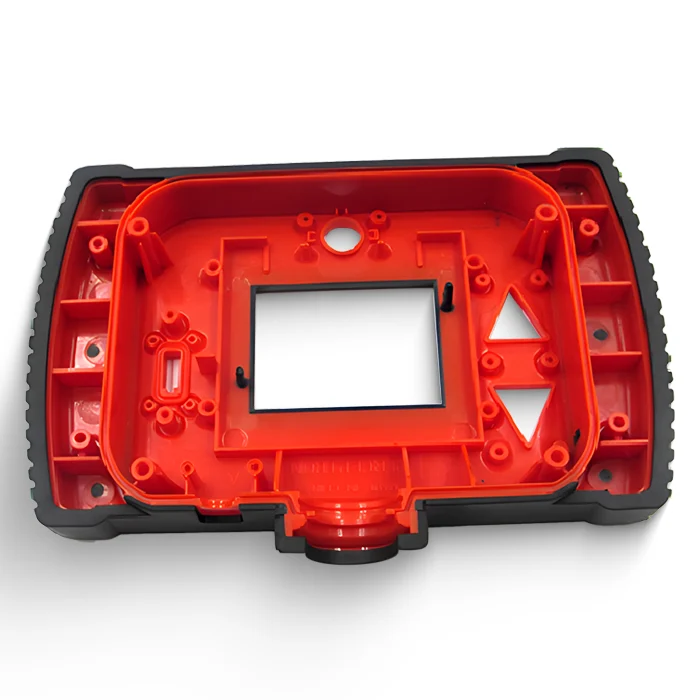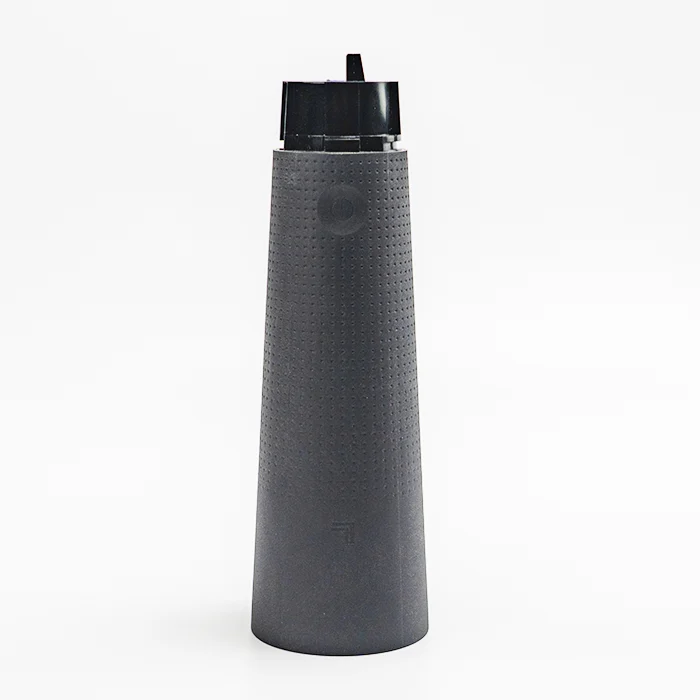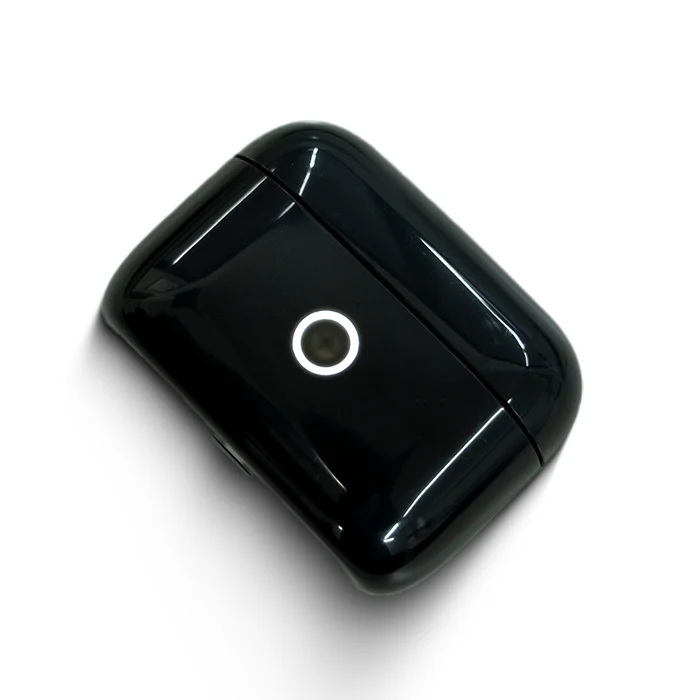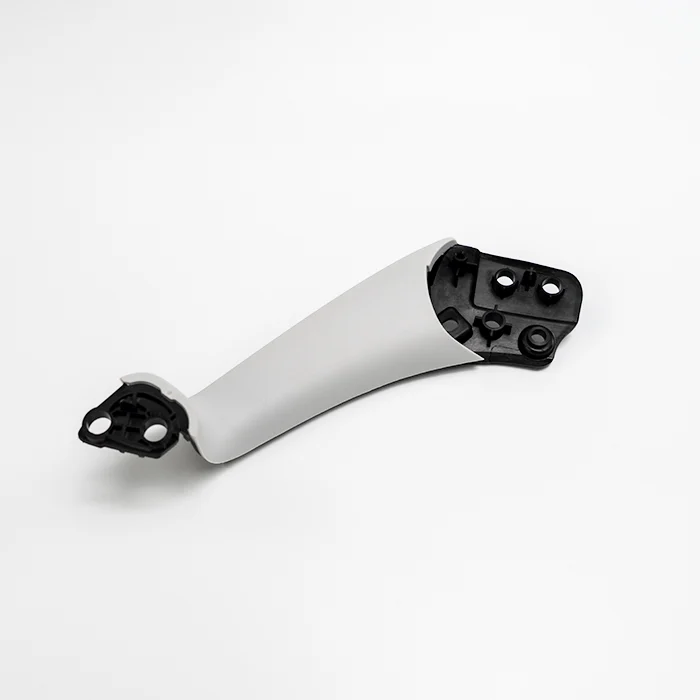








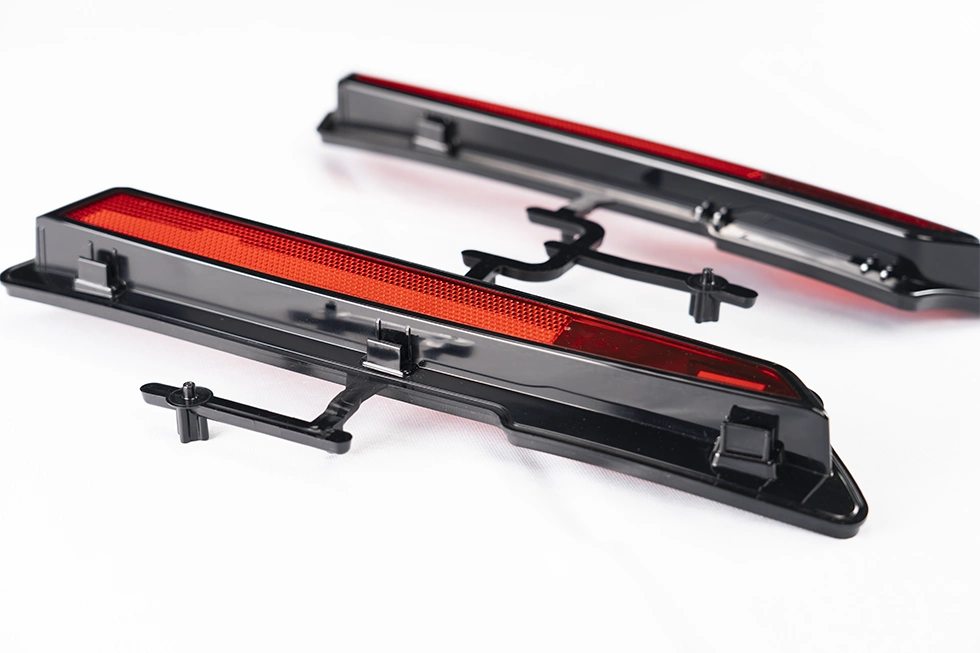
Two-Shot Mold Challenges and How We Solve Them
Two-shot injection molding injects and bonds two different materials in a single cycle, placing far higher demands on the mold than standard tooling.High-Precision Mechanisms: Rotary or sliding components must maintain ±0.01mm accuracy.Custom Bonding Surfaces: Specifically engineered to compensate for differences in material shrinkage.Optimized Cooling Channels: Individually tailored for each material.
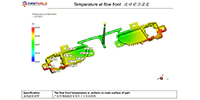
Sanpin’s Expertise in Two-Shot Molds Our engineering team specializes in two-shot mold development, with experience across rotary, sliding, and core-rotating designs. Before production, every mold undergoes moldflow analysis to predict weld lines, gas trap risks, and warpage—minimizing trial runs. Our goal isn’t just to deliver a mold—it’s to deliver a mold that runs stable from the very first cycle.
- Precision Rotary Positioning — ±0.01mm apositioning accuracy ensures perfect alignment for the second shot
- Optimized Bonding Surfaces — Custom-designed interfaces for different material combinations
- 100% CAE Analysis Before Tooling – Enables Moldflow Prediction & Reduces Trial Molds
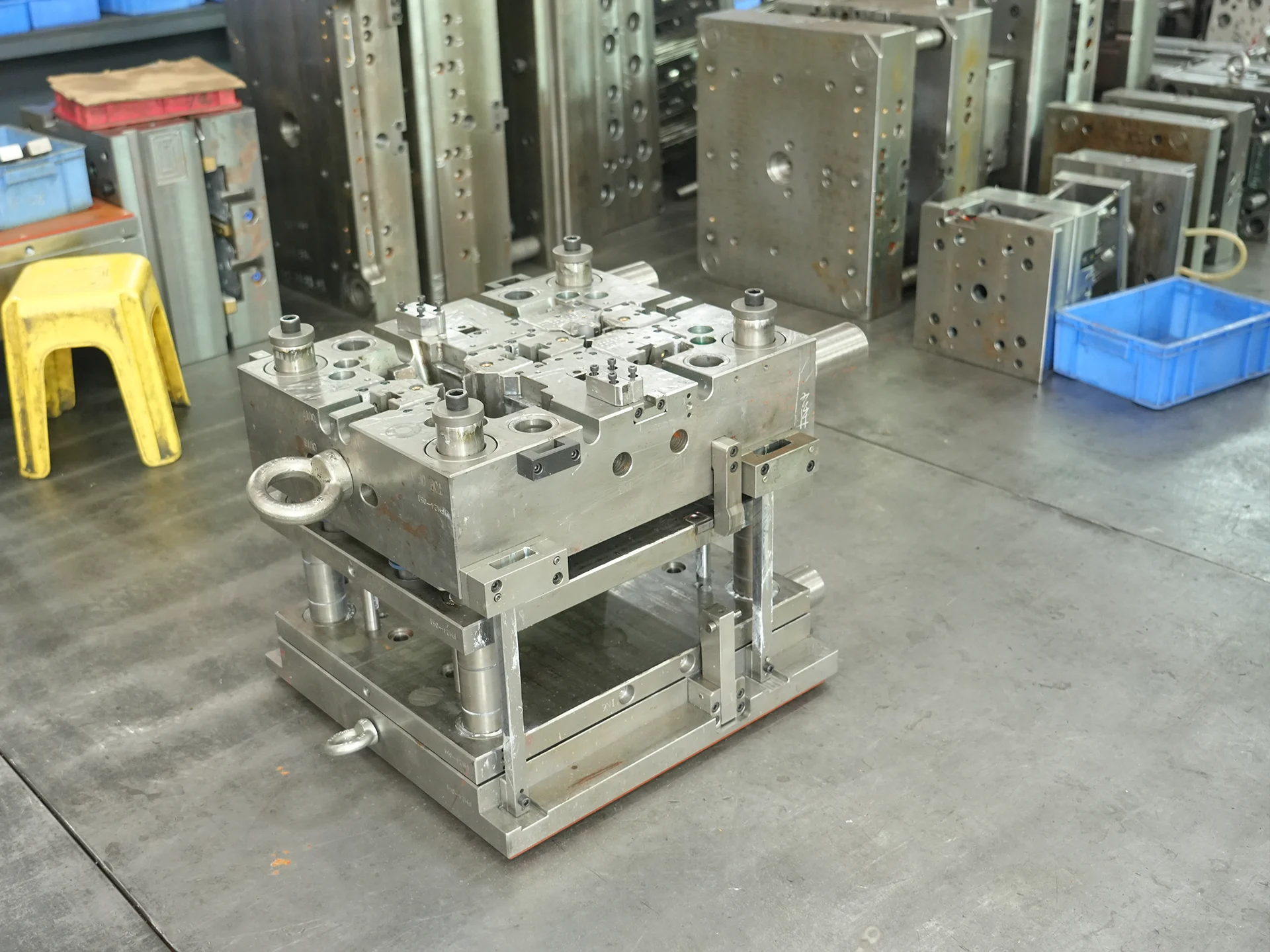
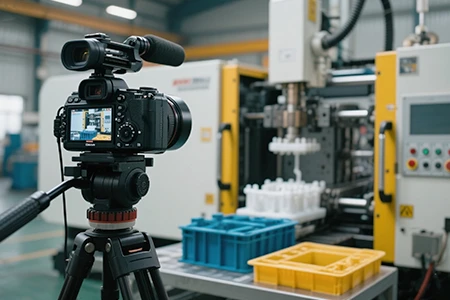
Watch Our Manufacturing Video
Two-Shot Mold Development Process

Requirement Review and DFM Analysis
Upon receiving your 3D files, our engineers complete a manufacturability review within 24 hours, flagging issues such as uneven wall thickness, undercuts, and draft angles, and deliver a detailed DFM report.
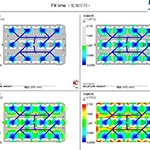
Mold Flow Analysis
Moldflow simulation for both materials — analyzing fill balance, weld line positions, bonding surface strength, and cooling efficiency to identify and resolve potential defects before tooling begins.

Mold Structure Design
Complete structural design of the two-shot mold, including rotary/slide mechanism, gate and runner layout, cooling channel planning, and ejection scheme. Design submitted for customer approval before machining.

Precision Machining and Assembly
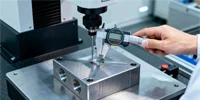
Mold components manufactured via CNC high-speed machining, wire EDM, and mirror-finish sinker EDM. All parts inspected before assembly, ensuring rotary mechanism positioning accuracy of ±0.01mm.
Mold Trial and Optimization
First trial run (T1) on the injection machine. Sample parts undergo visual, dimensional, and functional inspection. Mold parameters adjusted based on trial results — typically 1-2 rounds to reach production-ready standards. Full trial report provided.

Mold Delivery
After final acceptance, the mold receives anti-rust treatment and professional packaging. Export molds are fitted with HASCO/DME standard components upon request, accompanied by mold drawings, trial reports, and maintenance manuals.
Why Choose Sanpin for Your Two-Shot Mold Project
Sanpin's Two-Shot Mold Advantages
- Multiple rotary structure expertise — Experienced with rotary platen, slide, and core-back two-shot mold structures — recommending the best fit for each product
- 100% mold flow analysis before tooling — Every two-shot mold undergoes Moldflow simulation to predict weld lines, gas traps, and warpage — reducing trial iterations
- ±0.01mm Rotary Mechanism Accuracy In-house machining and assembly of rotary/slide mechanisms ensure precise second-shot alignment, avoiding flash or misregistration
- Design-to-Trial Under One Roof From structural design and precision machining to mold trials, everything is completed in our 24,000㎡ facility, with same-day issue resolution
- Export-Ready Mold Delivery Export molds are equipped with HASCO / DME components for overseas machines, and include full drawings, trial reports, and maintenance manuals.
- 17 years of cross-industry experience — Two-shot molds delivered for automotive, home appliance, and consumer electronics — familiar with each industry's cosmetic and functional standards.
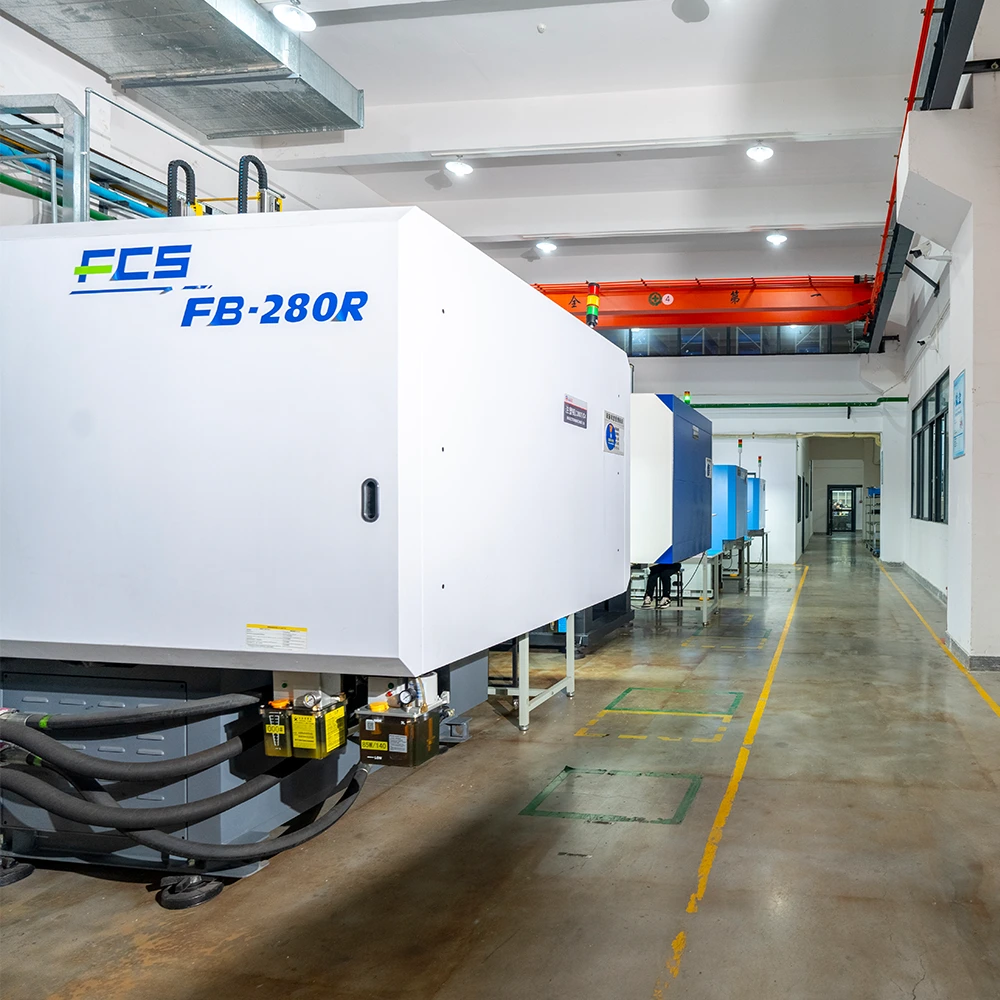
In-House Two-Shot Molding Verification
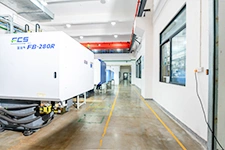
Every two-shot mold is trial-tested in our own injection workshop after fabrication. Equipped with multiple dedicated two-shot machines across various tonnages, ensuring production validation before delivery.
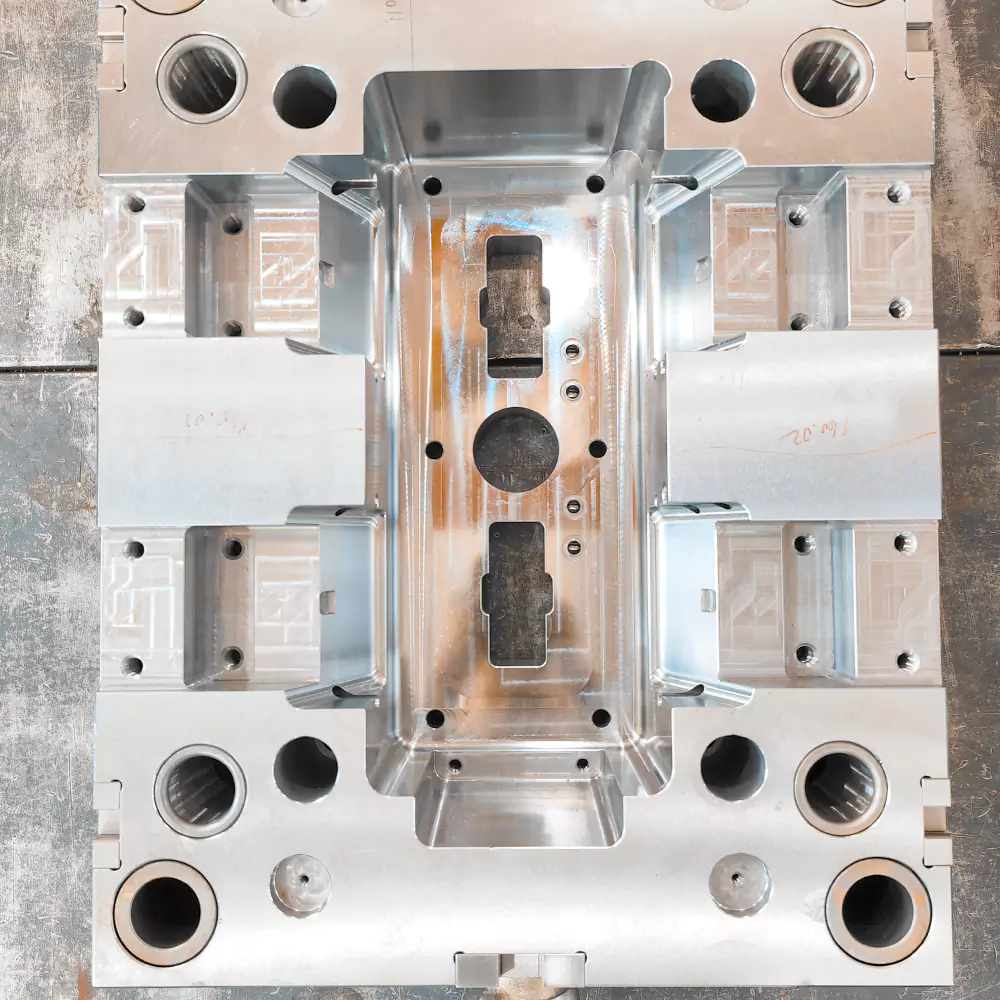
Precision Two-Shot Mold Manufacturing
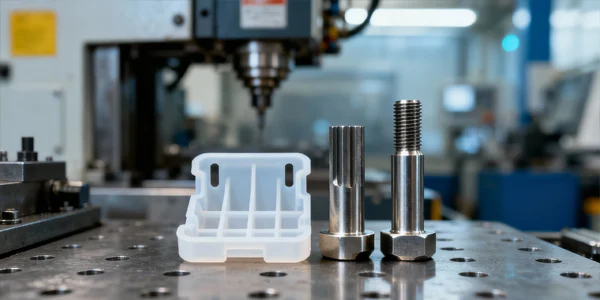
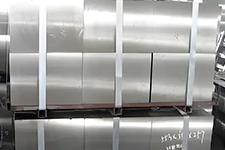
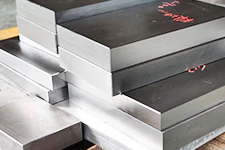
Core mold components manufactured via CNC high-speed machining, wire EDM, and mirror-finish sinker EDM. Critical mating surfaces of the rotary mechanism are precision-ground to achieve positioning accuracy within ±0.01mm.