





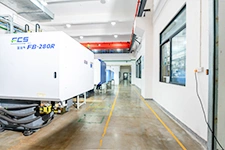
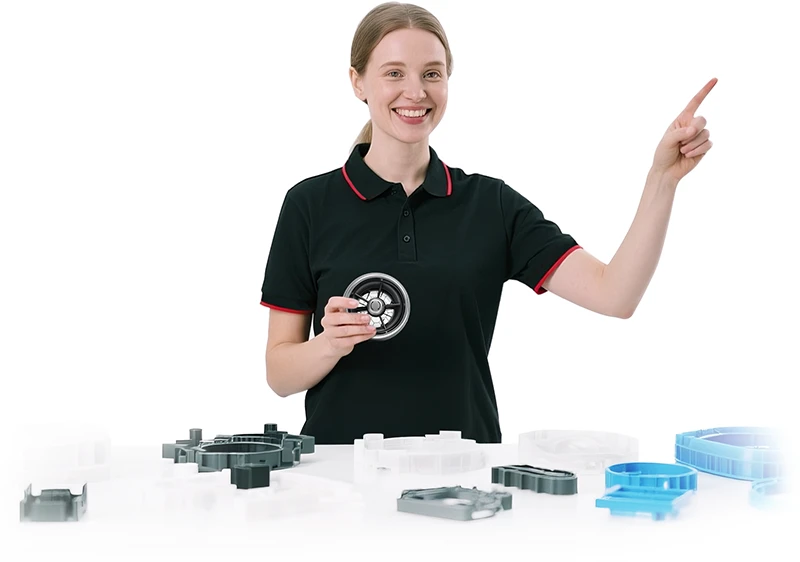
Types Of Mold Manufacturing Services We Offer
The injection molds we manufacture can be classified into several categories based on different criteria:
By Usage Frequency:
Rapid Tooling
Designed for quick, short-run productions, allowing for fast prototyping and testing.
Production Tooling
Built for long-term, high-volume manufacturing, ensuring durability and stability throughout the production process.
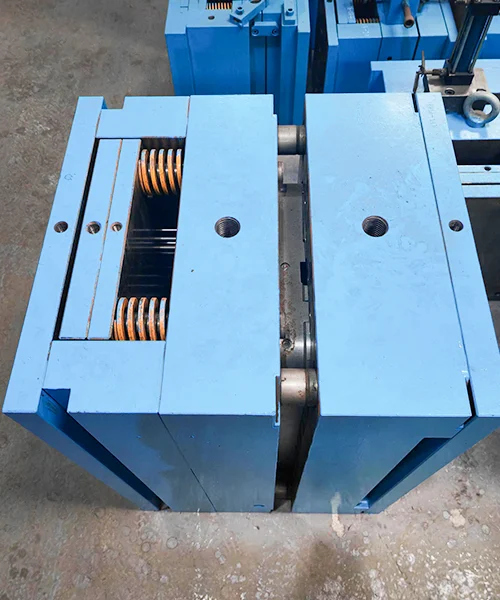
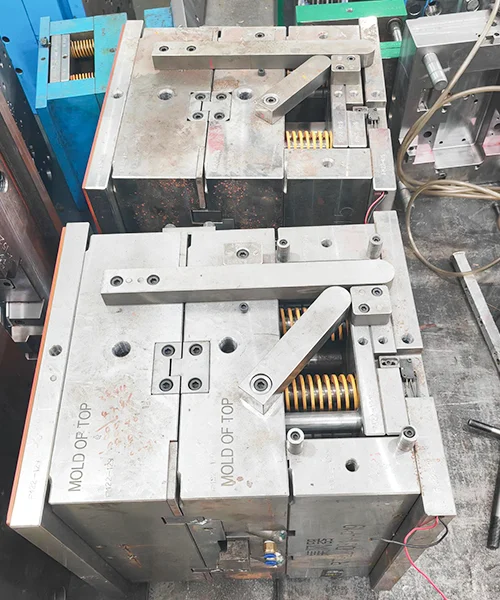
By Material:
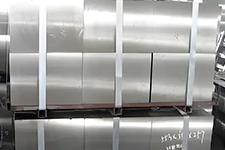
Aluminum Molds
Preferred for their quicker machining time and lower cost, suitable for lower volume productions.
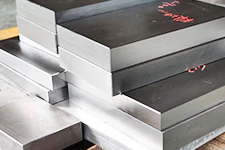
Steel Molds
Chosen for high-volume production due to their superior durability and longevity.
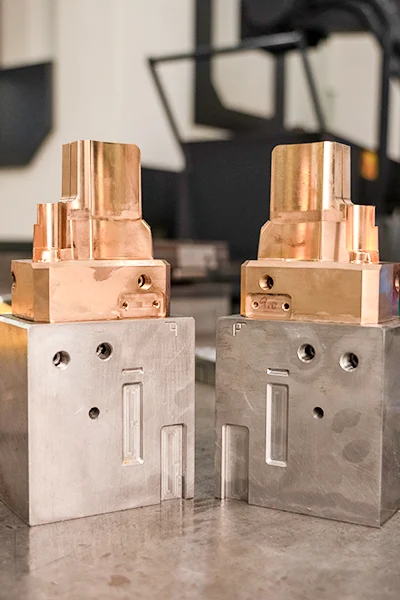
Beryllium Copper Molds
Utilized in specific parts of the mold that require unique properties, such as thermal conductivity, in beryllium copper alloyed molds.
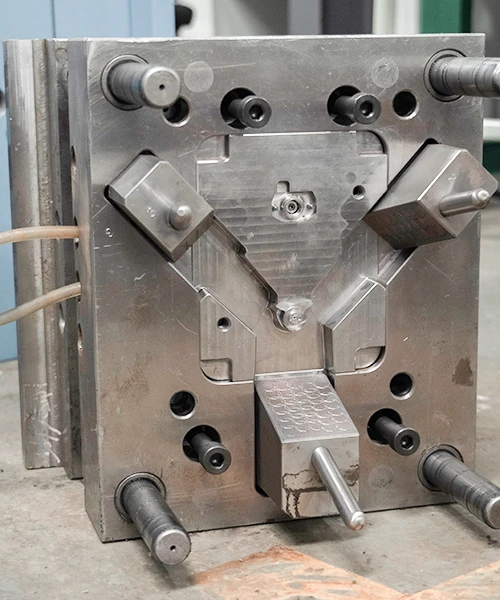
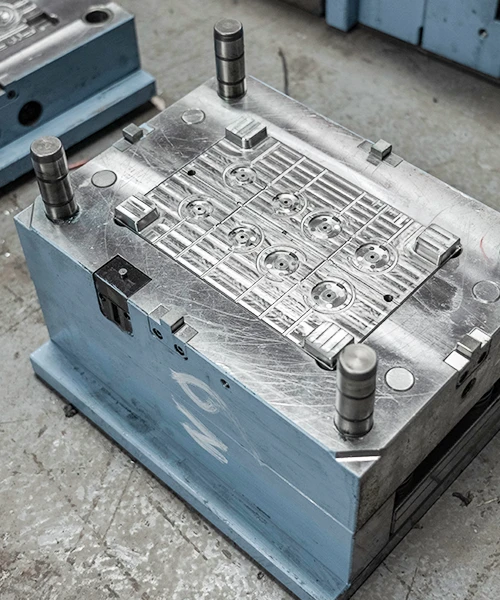
By Demolding Mechanism:
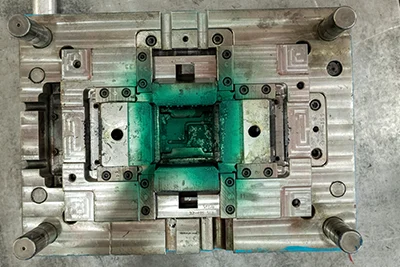
Two-Plate Molds
The simplest and most common type, where the mold splits into two halves to eject the part.
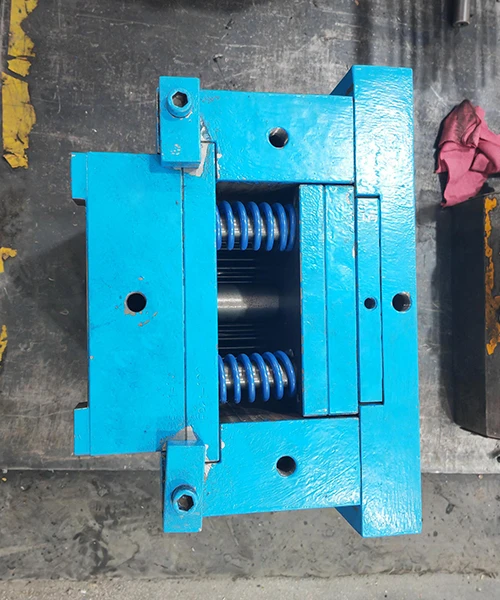
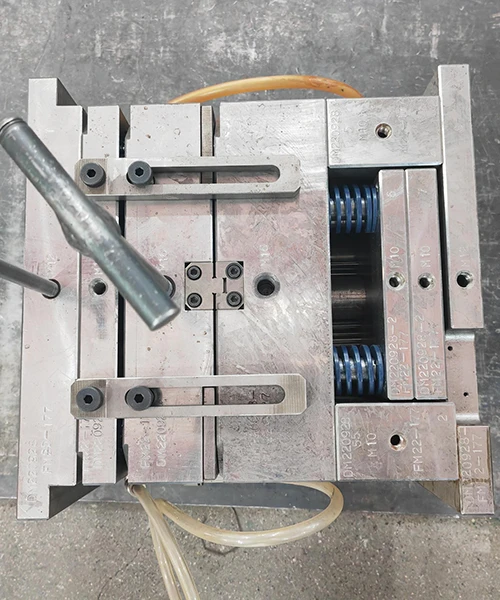
Three-Plate Molds
More complex, allowing for automatic demolding and the creation of more intricate parts, with an additional plate for runner and gate system separation.
Workflow Of Mold Making Service
At Sanpin, our systematic mold manufacturing workflow ensures precision-engineered solutions, typically structured into six key phases:
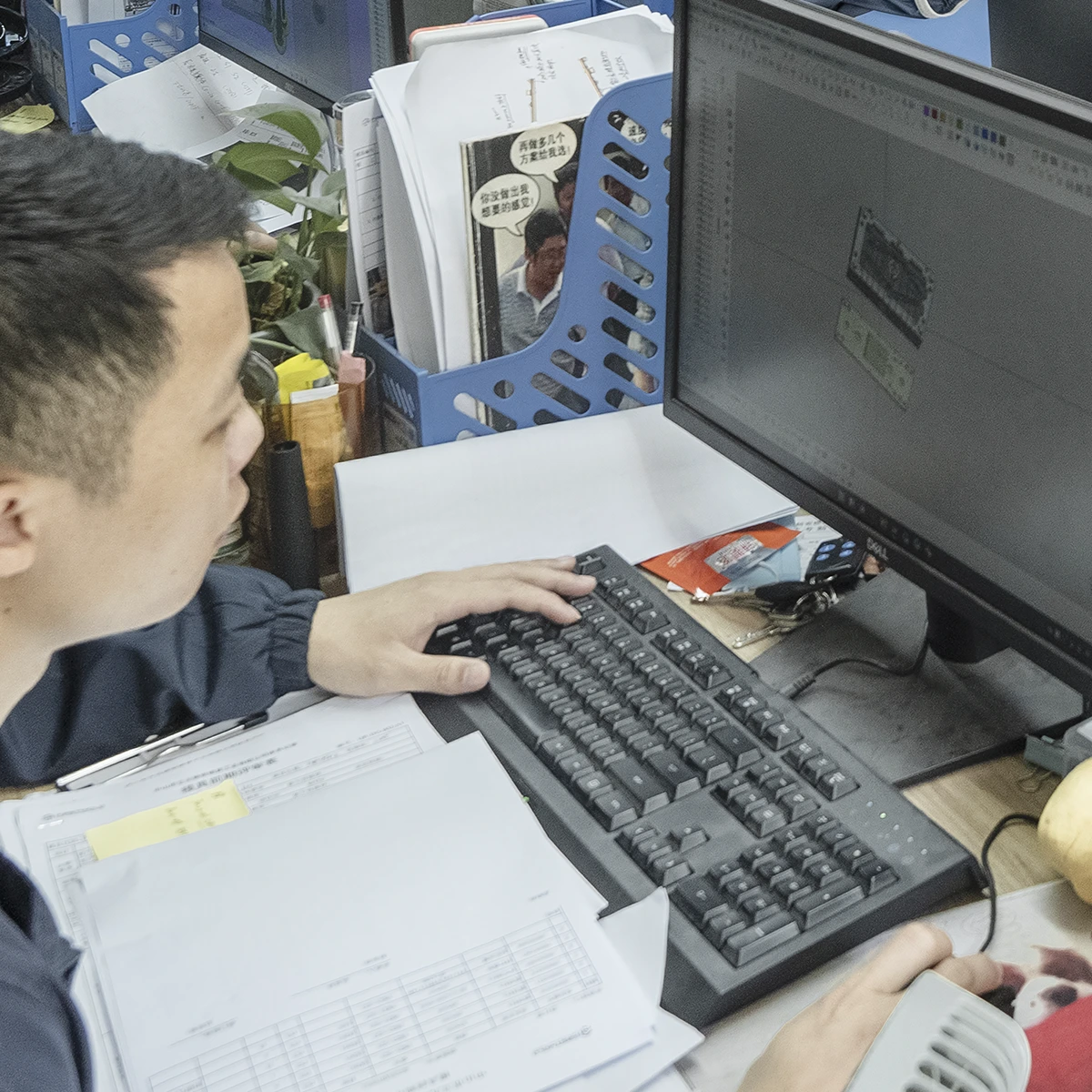
1. Product Analysis & Mold Design
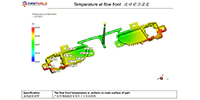
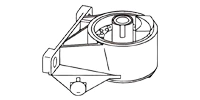
Based on the product's structure, material, and customer requirements, Sanpin conduct feasibility analysis and manufacturing feasibility assessment (MFA). Our mold designers then create detailed 3D CAD models and technical 2D engineering blueprints for all mold components.
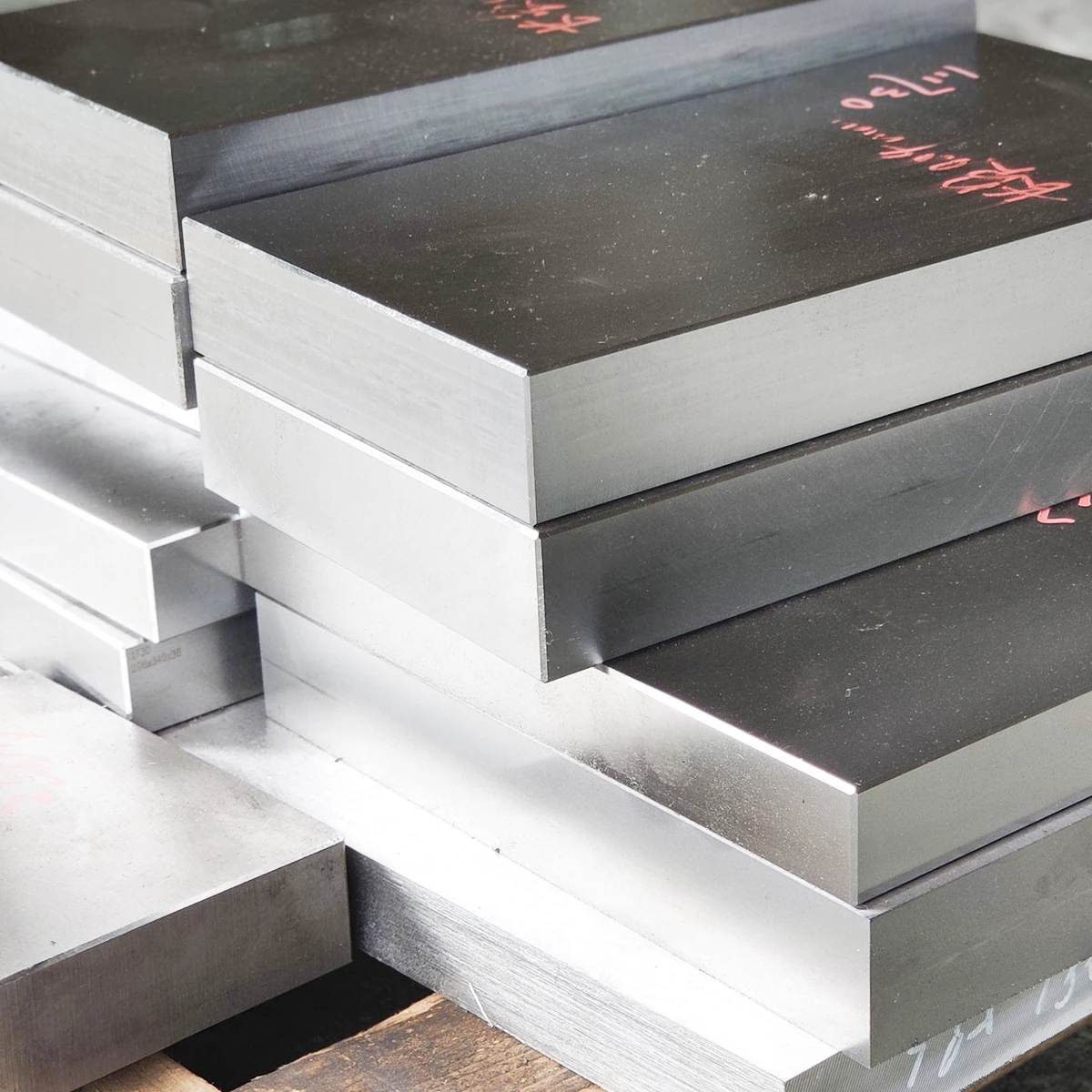
2. Mold Material Selection
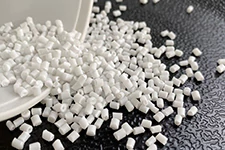
We select materials (e.g., H13, S136, P20 steel, aluminum alloys, beryllium copper) based on production volume, purpose, and budget. Heat treatment requirements for the mold are also pre-evaluated to enhance durability and longevity.
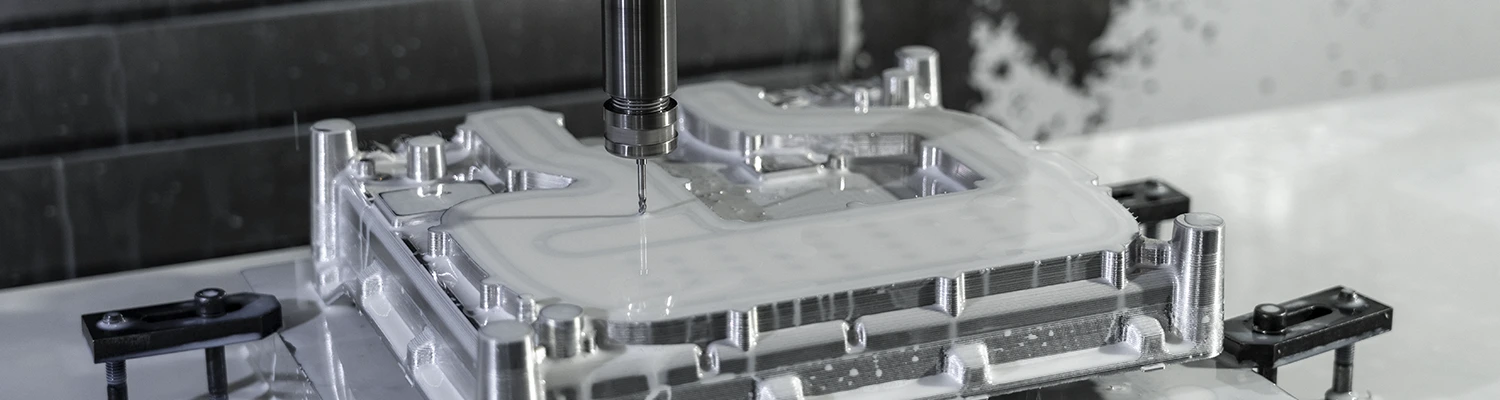
3. Precision Mold Machining
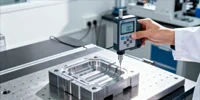
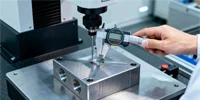
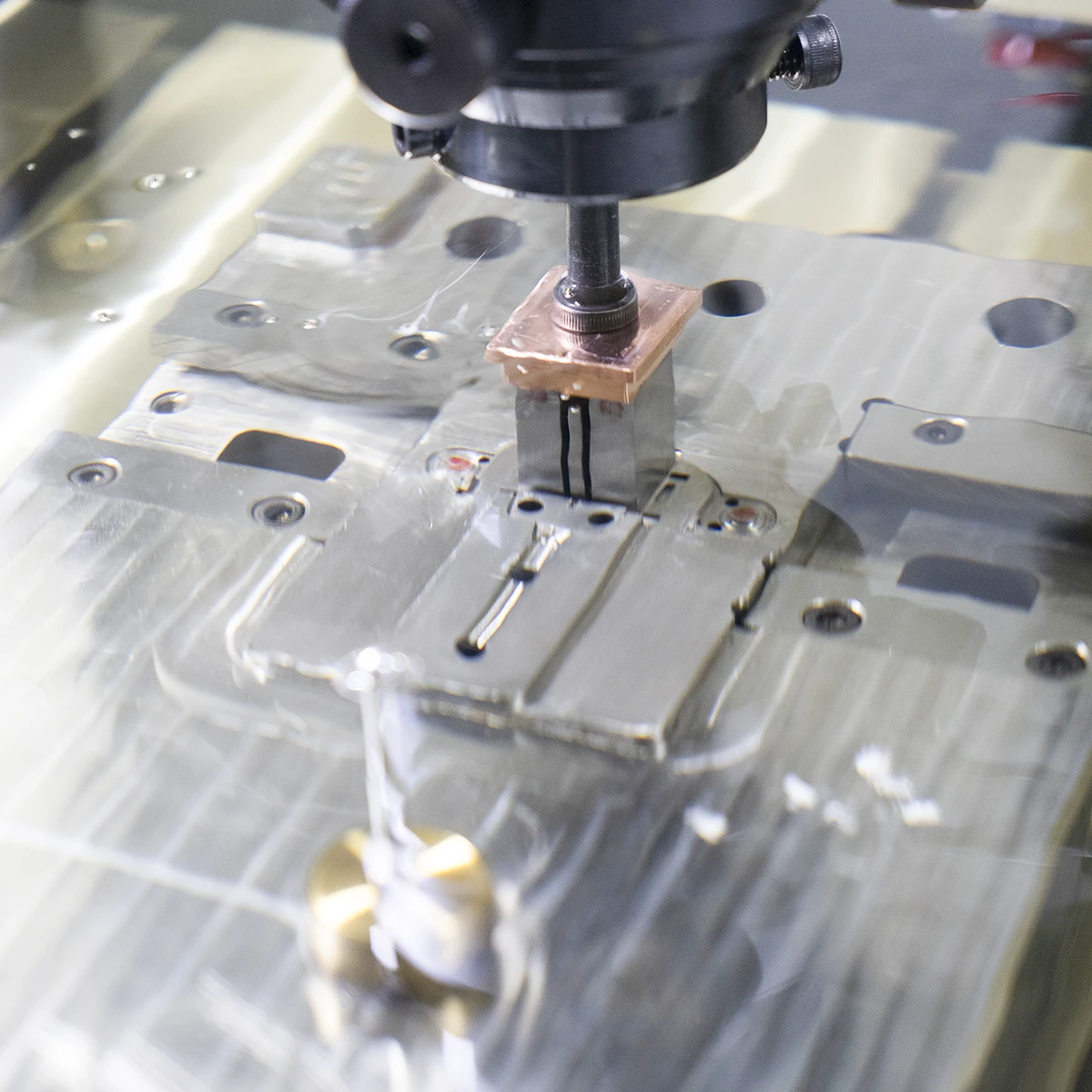
Components such as cavities and cores undergo rough cutting, high-precision milling, and surface treatment. Processes include CNC milling, electrical discharge machining (EDM), and precision wire-cutting technology.
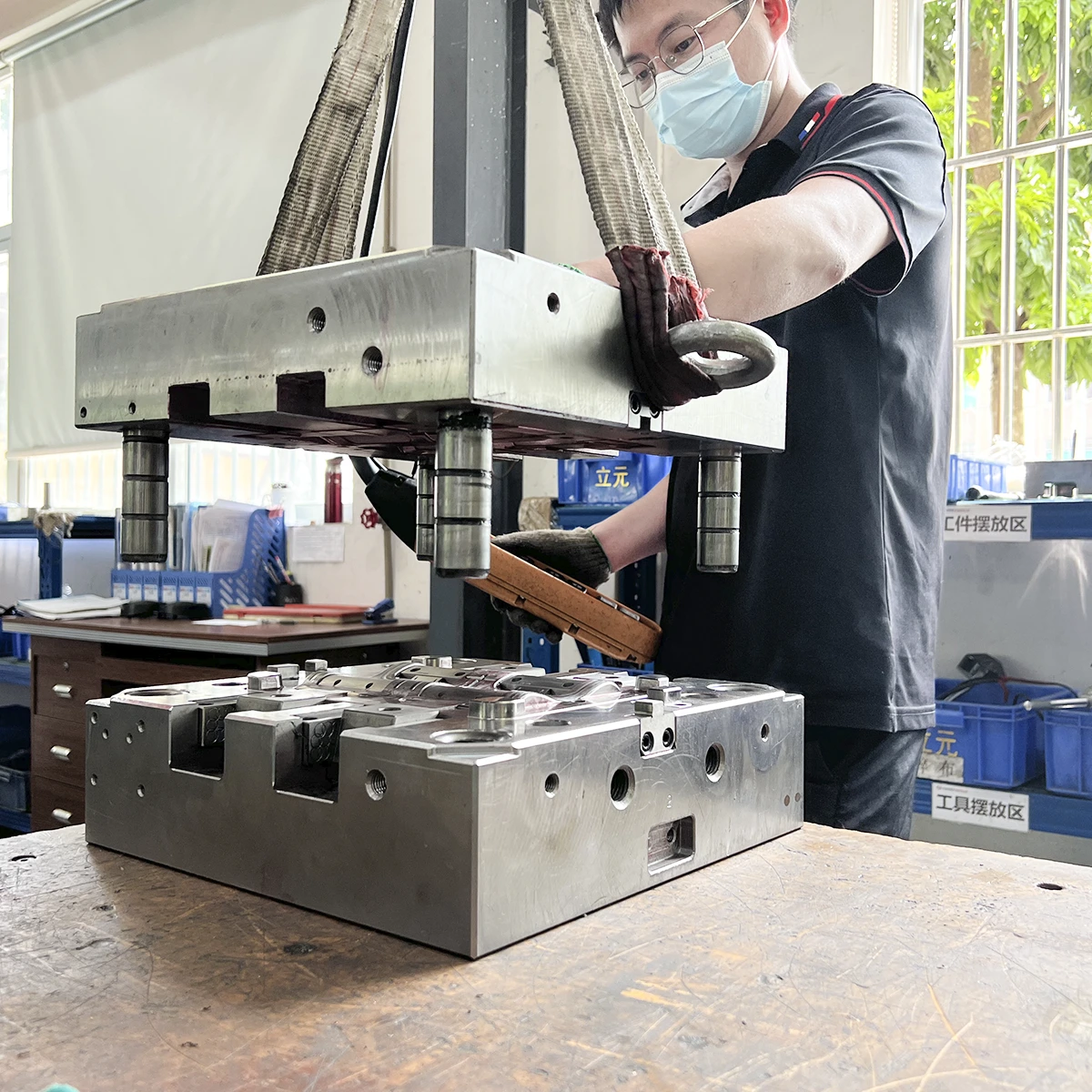
4. Mold Assembly and Debugging
We assemble mold parts with strict attention to tolerance control. Mold fitting tests and functional tests are performed to prevent defects during plastic injection molding production.
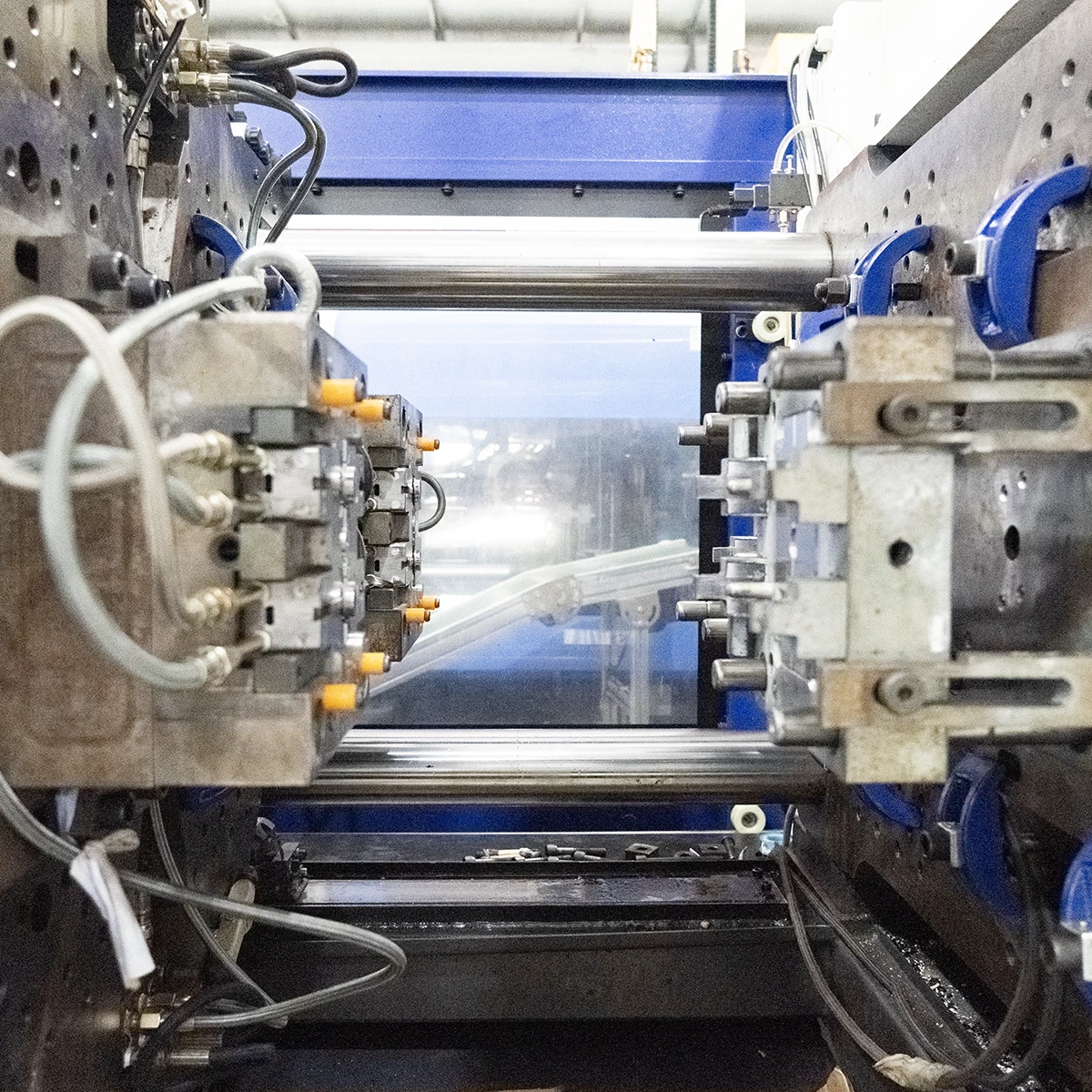
5. Trial Molding and Optimization
Trial runs are conducted on Sanpin's high-precision injection molding machines. Parameters are recorded, defects are analyzed, and the mold is optimized to ensure seamless production and part consistency.
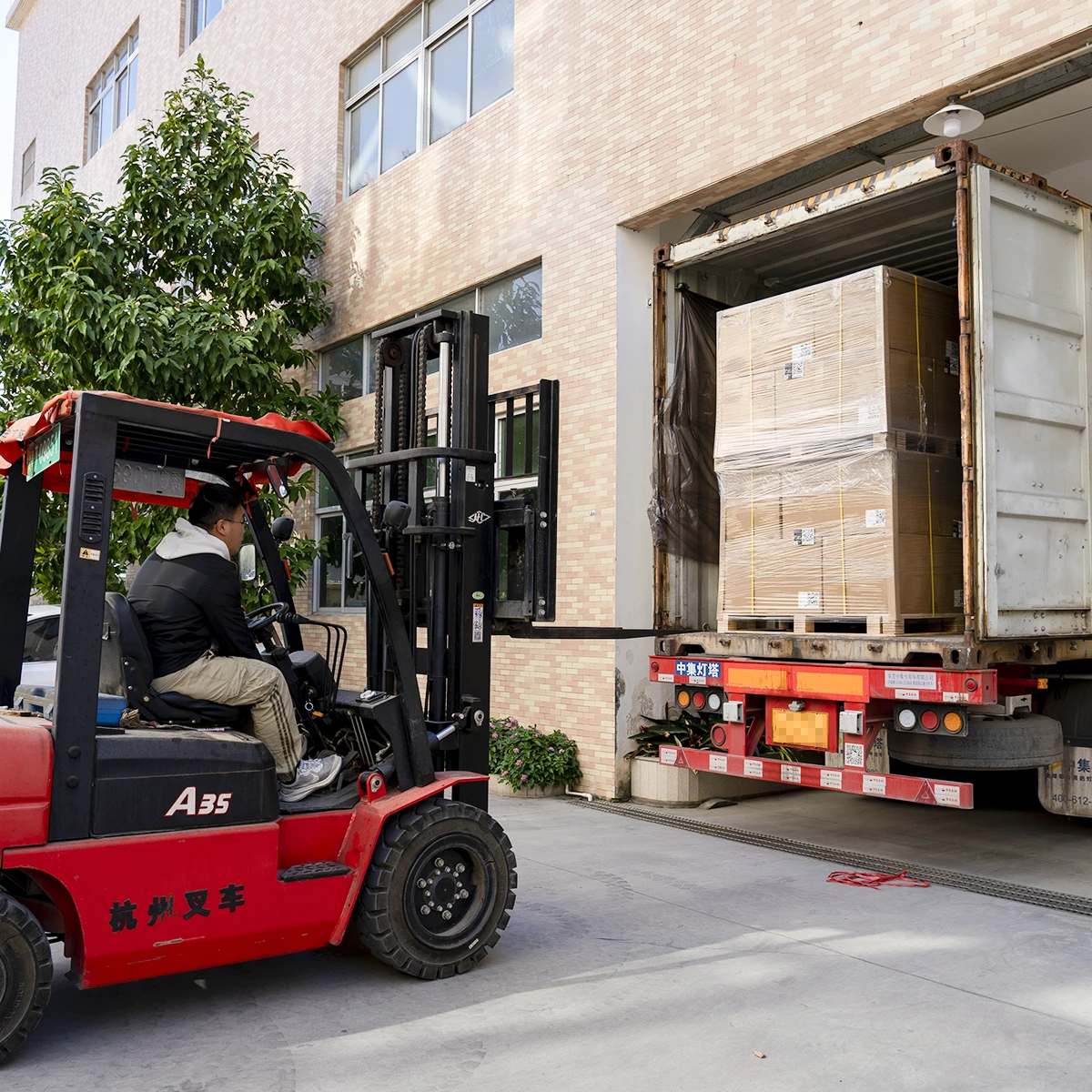
6. Mold Delivery and Acceptance
We determine whether to ship the high-quality mold to the customer based on their decision to proceed with mass production at Sanpin or their own facility.
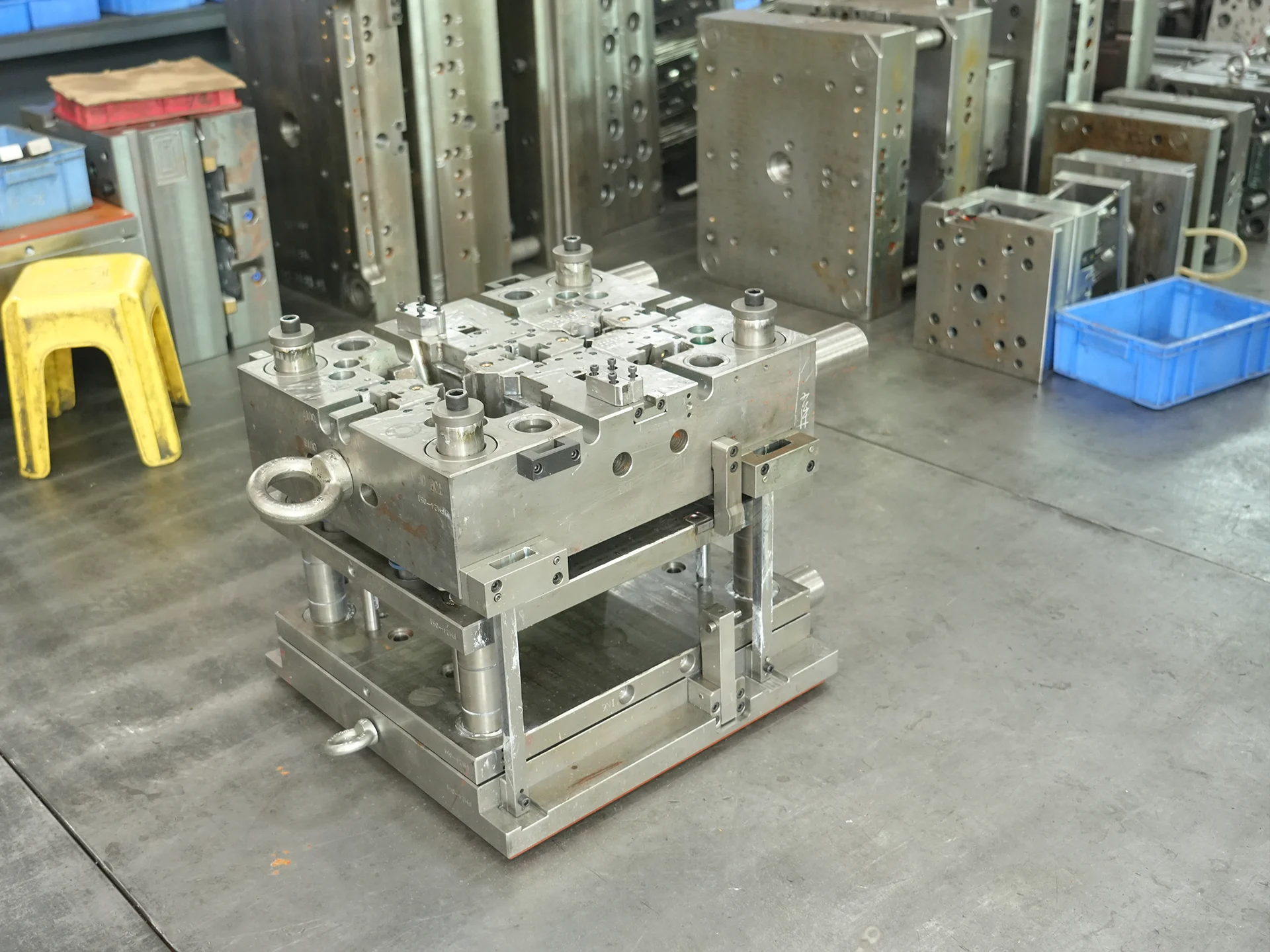
Before These Processes Begin You Only Need To Upload Your 3D Design Drawings. Our Team Will Contact You Shortly And Hold A Dedicated Meeting To Assess Your Project And Issue An Initial Report
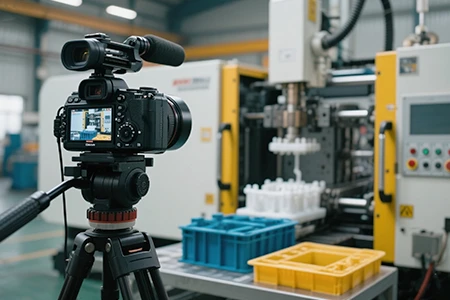
Watch a Video of Our Plastic Mold Making Services
Injection Mold Solutions Applications
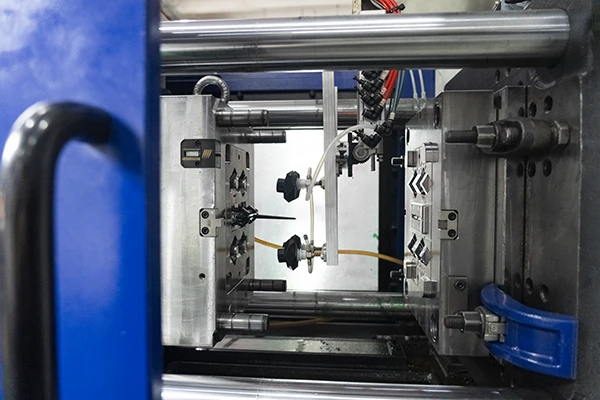
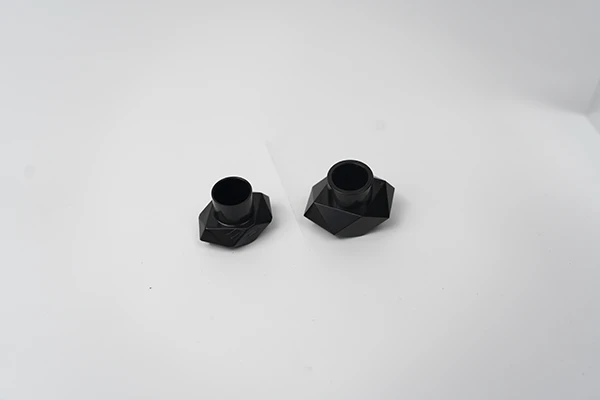
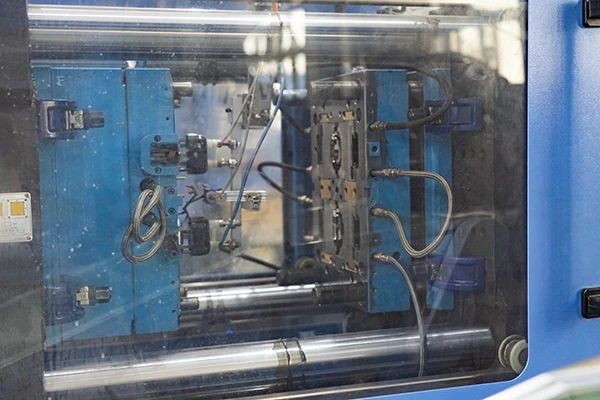
The ultimate goal of the injection mold making service is the production of injection-molded parts. The molds produced can either be used by the clients for their own injection molding production or entrusted to manufacturers for injection molding production.
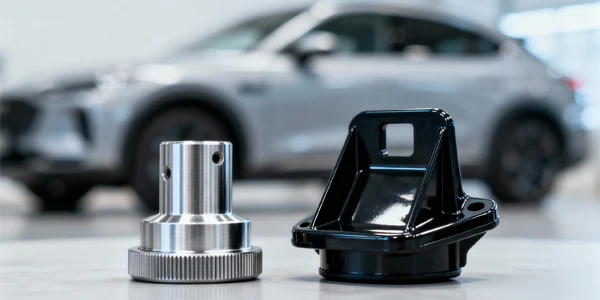
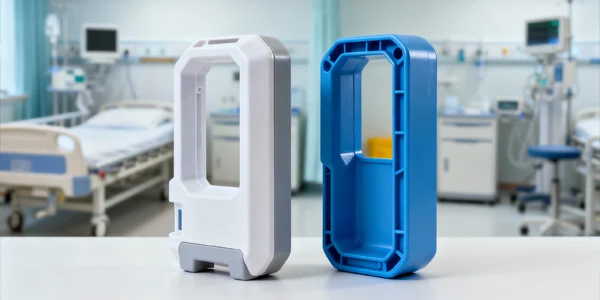
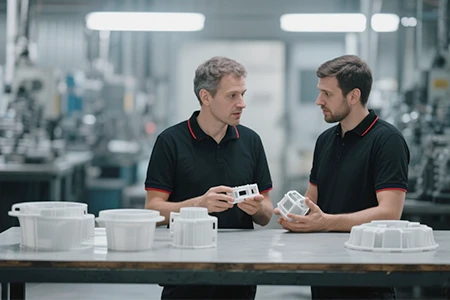
These two sets of images are molds used in the consumer goods industry and medical molds in their final application during production.

Why We Stand Out
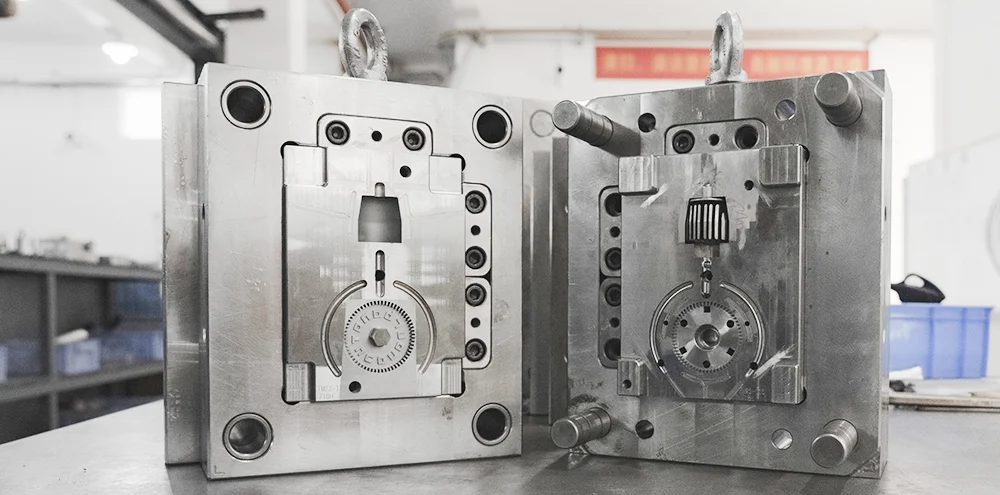
In the manufacturing of injection molds, a quality injection molding factory should prioritize cost reduction for its clients. At Sanpin, we fully understand this principle through our collaborations with customers. By implementing innovative strategies to optimize production efficiency and material usage, we consistently help clients lower manufacturing expenses. This commitment to value engineering is precisely why we have secured our position among the top 10 industry leaders.
Global Service Responsiveness
Case: Collaborative multinational delivery for a global consumer electronics brand
Highlights:
- China factory + China technical center + Mexico factory collaboration achieved 0% error rate in cross-border project delivery.
- 7×24 multilingual support reduced average client issue resolution time to <4 hours (industry average: 12 hours).
Technological Innovation & Efficiency Gains
Case: Radio housing injection mold optimization for a global appliance brand
Breakthroughs:
- Proprietary runner design technology shortened injection cycle time from 45s to 32s (28.9% improvement).
- Reduced product defect rate from 3.2% to 0.8%, saving the client $800,000 annually in rework costs.
Industry-Tailored Solutions
Case: Lightweight new material mold development for a UAV (drone) manufacturer
Innovations:
- 40% mold weight reduction using advanced materials and composite structures, boosting client production efficiency by 25%.
- Improved product yield from 88% to 97%, reducing annual scrap losses by $350,000.
Rapid Delivery
Case: Emergency mass production of battery housing molds for a new energy vehicle manufacturer
Results:
- Reduced delivery cycle from 90 days to 55 days through modular design + parallel engineering.
- Enabled the client to launch products 1.5 months ahead of schedule, securing 8% market share growth in the first sales quarter.
Injection Mold Making Workshop And Department
Department
Department
Department
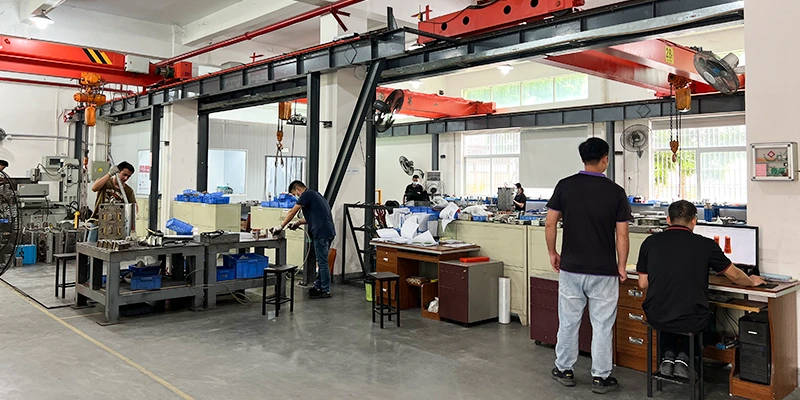
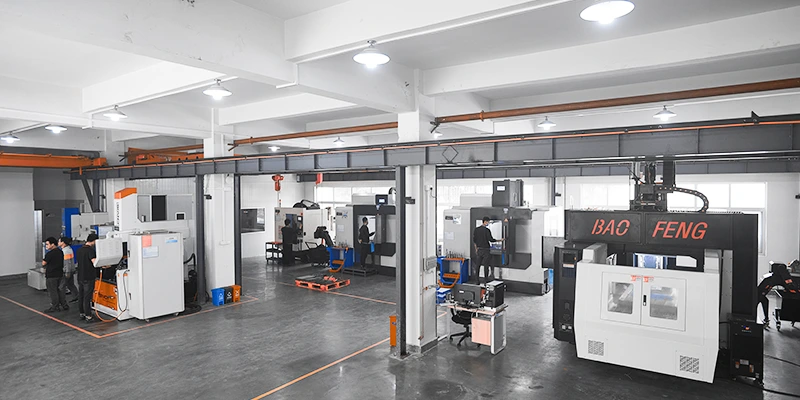
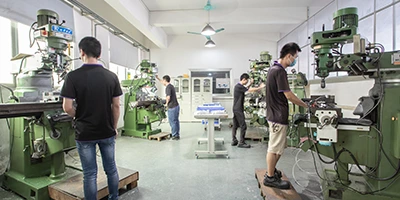
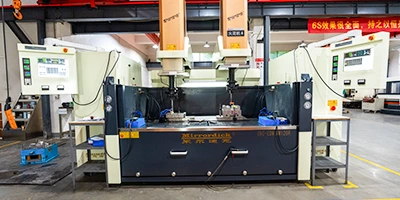

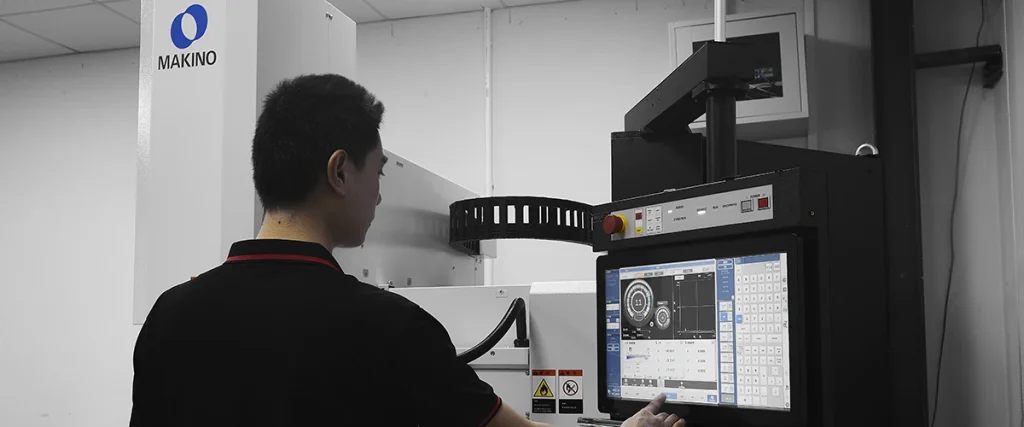
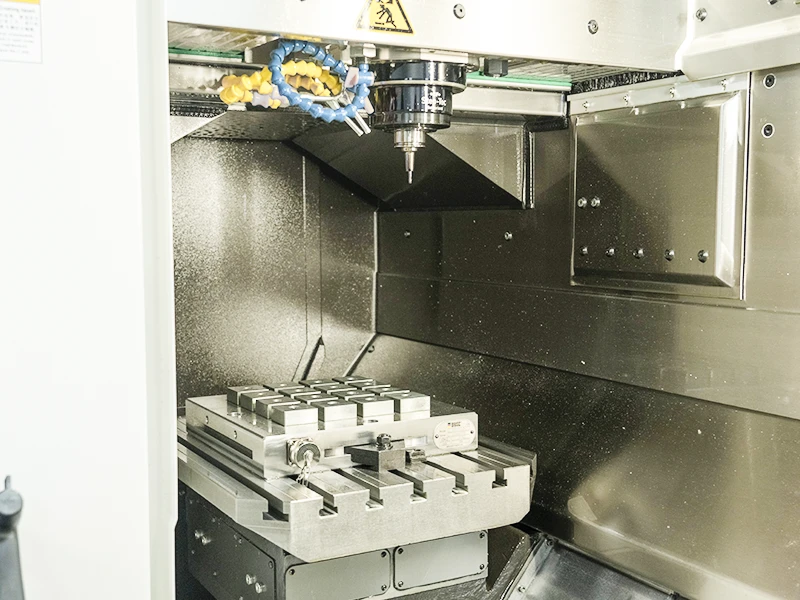
Advanced Mold Fabrication Techniques And Key Component Production
5-axis CNC centers execute micron-level machining (±0.005mm) for mold bases and core/cavity sets.
Multi-Axis CNC Machining Systems
Precision milling, turning & grinding for complex geometries
- High-speed milling of P20/S136 steel
- Hard turning (HRC62+) for pre-hardened components
- Surface grinding with <Ra0.2µm finish
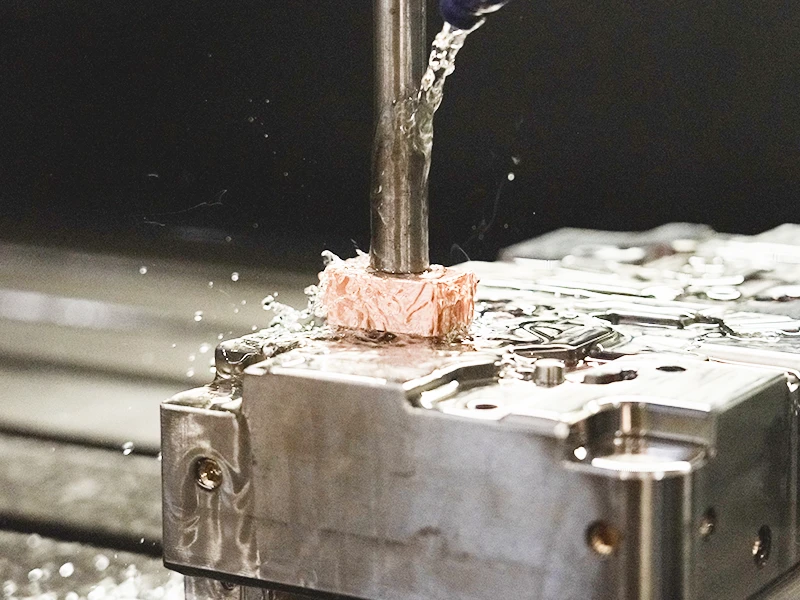
EDM (Electrical Discharge Machining)
Creating intricate details through controlled spark erosion
- Sinker EDM: Forming undercuts and micro-features (0.1mm tolerance)
- Wire EDM: Cutting hardened steels (up to HRC65) with ±0.002mm accuracy
- 24/7 automated electrode changing systems
Integrated Surface Engineering
Combining polishing, texturing & coating
- Mirror polishing (SPI-A1 standard)
- Custom textures (VDI 3400/VDA standards)
- DLC/TiN coatings for wear resistance
Advanced Mold Fabrication Techniques and Key Component Production
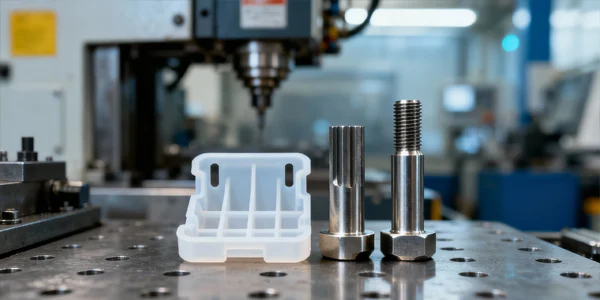
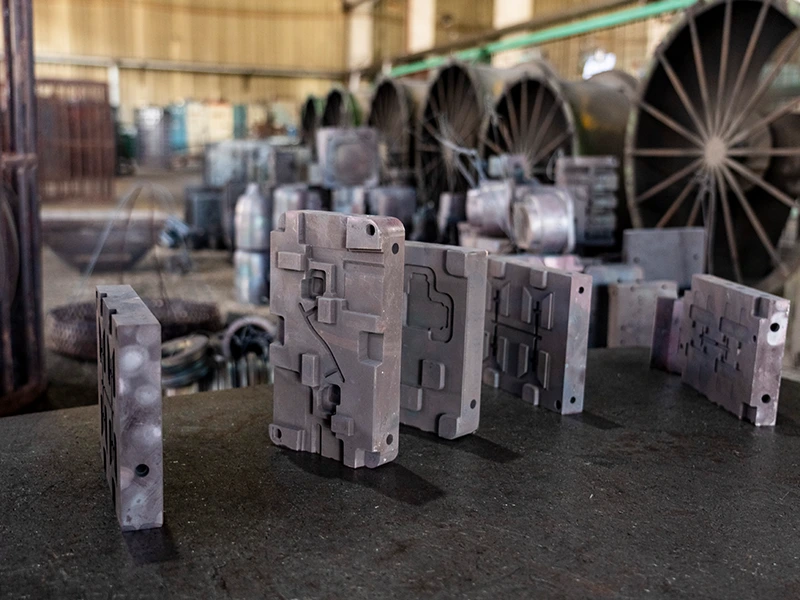
Our injection molds are typically fabricated using CNC machining or EDM (Electrical Discharge Machining) processes. The components made for these molds include:
- Mold Base Production
- Core & Cavity Fabrication
- Slider & Lifter Systems
- Custom Inserts & Hot Components
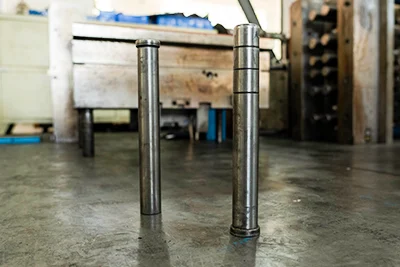
- Injection Mold Guide Pin
- Injection Mold Guide Bushing
- Injection Mold Ejector Pin
- Injection Mold Runner
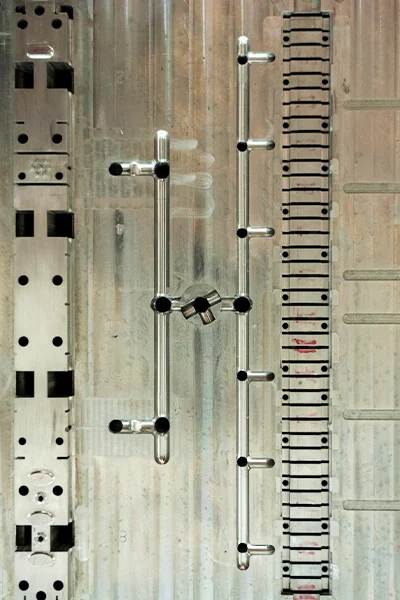
- Injection Mold Cooling System