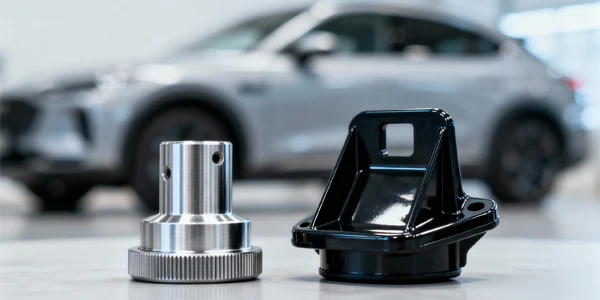
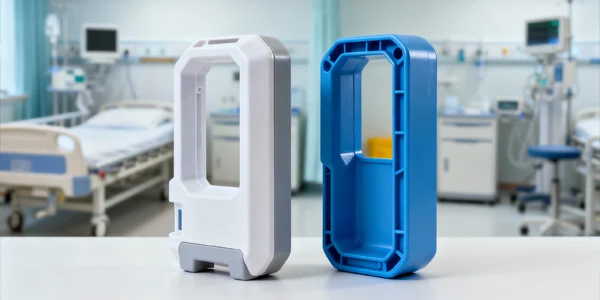
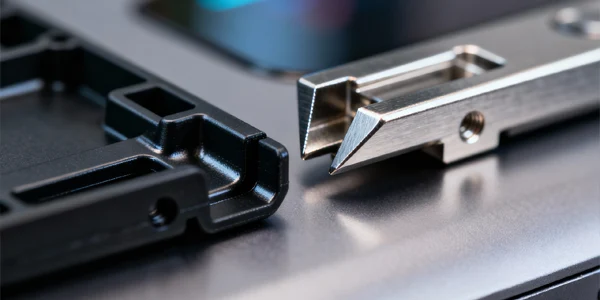








Precision Medical Components We Manufacture
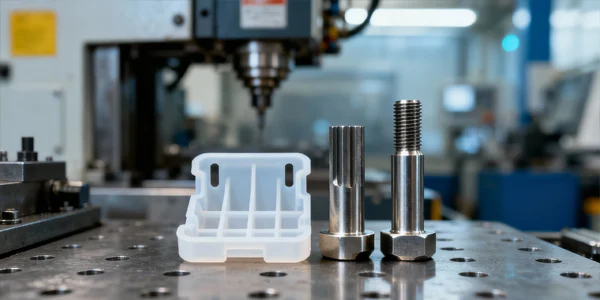
With dual-certified manufacturing facilities in China and Mexico, Sanpin Mold has delivered precision medical components since 2012 for 300+ MedTech innovators. Our cross-functional engineering team combines medical device regulatory expertise with advanced manufacturing technologies to become your extended production arm.
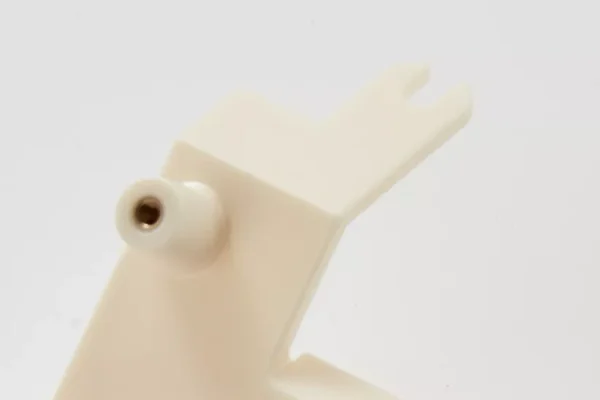
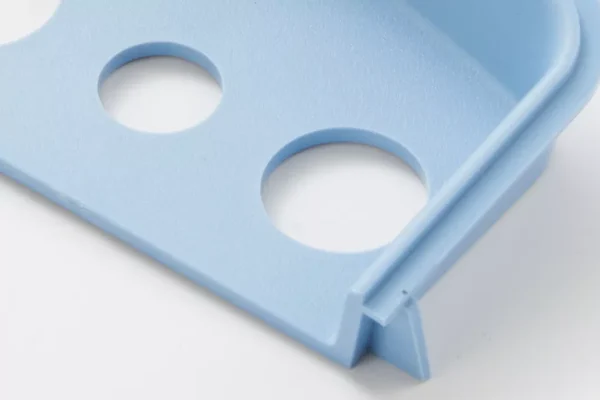
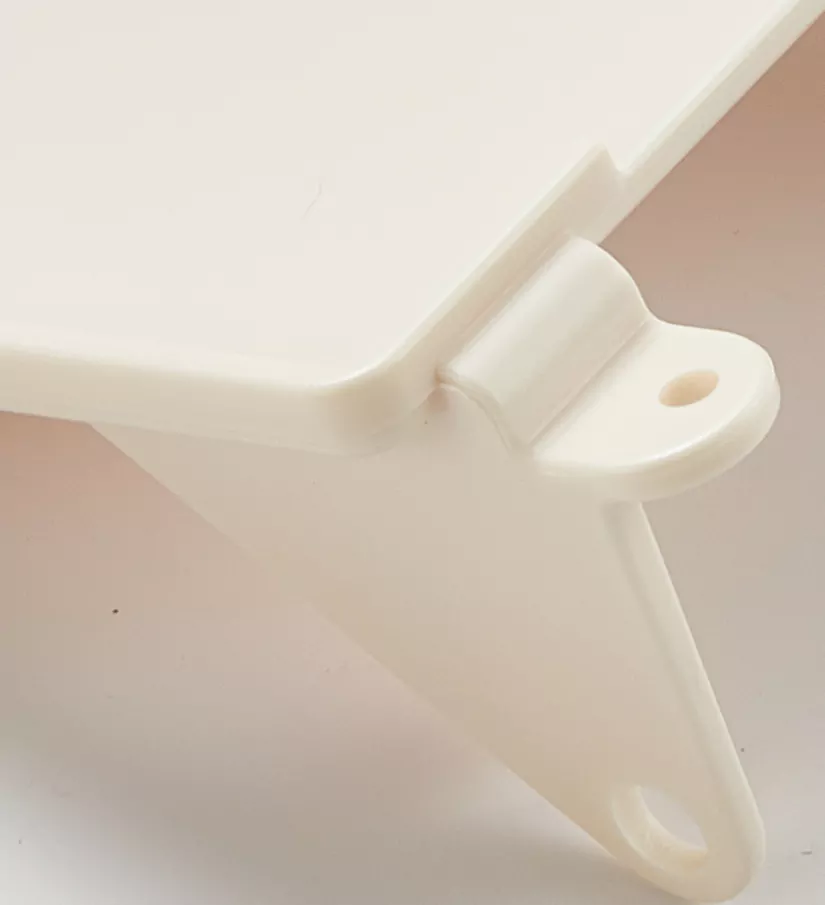
Diagnostic & Laboratory Instruments
Examples:
- Housings for blood analyzers
- Components for PCR equipment
- Panels for lab automation systems
Medical Imaging & Monitoring Equipment
Examples:
- External components for ultrasound probes
- Durable monitor enclosures
- Connectors for patient monitoring systems
Therapeutic & Surgical Support Devices
Examples:
- High-precision gears for ventilator mechanics
- Housings for handheld therapy devices
- Components for rehabilitation chairs
Wearable & Personal Medical Devices
Examples:
- Components for medical hearing aids
- Frames for wearable health trackers
- Parts for insulin pump controllers
Trusted Medical Parts Making Case Studies
Notes: Due to the NDA signed with our clients on most projects, we are only able to select and display the appearances of a few products from the medical industry after obtaining consent through communication with our clients.
Diagnostic and Monitoring Device Parts

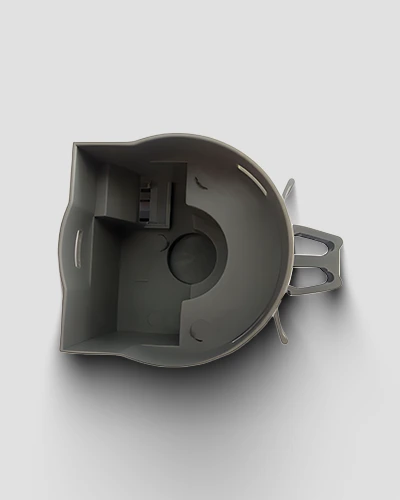
Diagnostic Device Housing
| Process | Mold Making, Injection Molding |
| Materials | ABS |
| Solutions | Mass Production |
| Tolerance | ±0.005" |
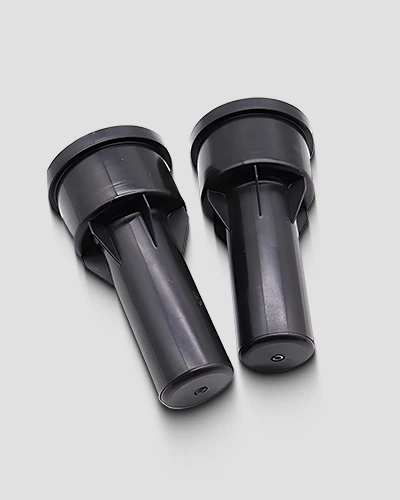
Medical lighting tool housings
| Process | Mold Making, Injection Molding |
| Materials | PC+ABS |
| Solutions | Mass Production |
| Tolerance | ±0.005" |
Support and Mobility Device Parts

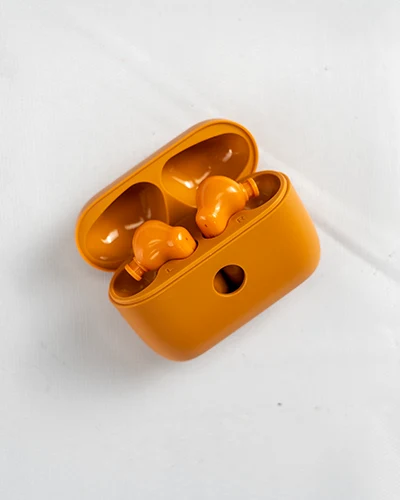
Hearing aids
| Process | Production Tooling, Injection Molding |
| Materials | PC+ABS |
| Solutions | Mass Production |
| Tolerance | ±0.005" |
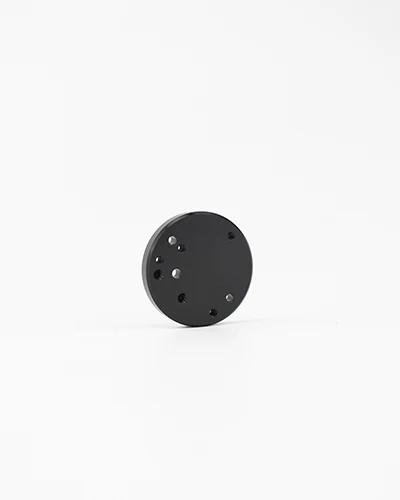
Rehabilitation chair components
| Process | CNC Machining |
| Materials | Zinc Alloy |
| Solutions | Mass Production |
| Tolerance | ±0.002" |
One-Stop Solutions for Your Non-Sterile Medical Device Components
One-Stop Suite Of Medical Precision Manufacturing Capabilities
Medical Plastic Injection Molding
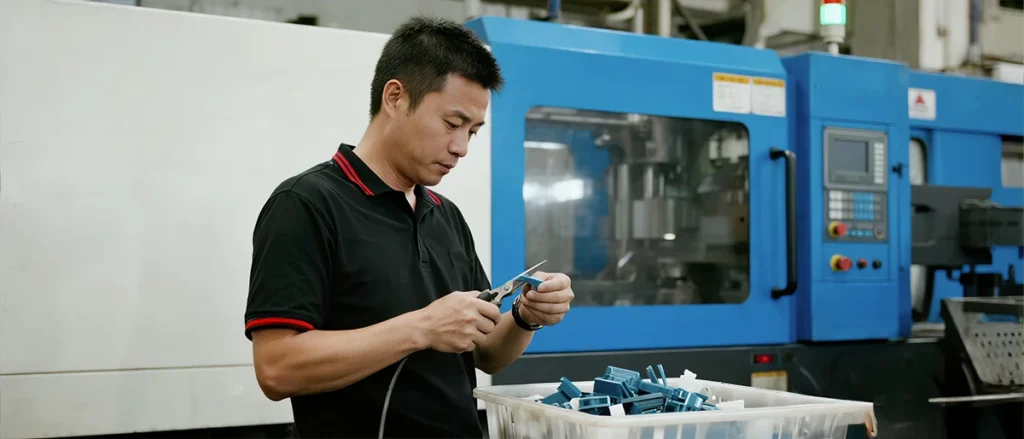
Ideal for high-volume production of diagnostic equipment housings, laboratory instrument panels, and durable monitor bezels. Particularly suitable for customers requiring cost-effective, geometrically complex parts in medical-grade polymers.
- Material Compliance: PP, ABS, COC with USP Class VI certification.
- Precision Molding: Tolerances to ±0.05mm for critical interfaces.
- Scalability: 50-1000 ton presses for 10K-5M+ part volumes.
Medical Precision CNC Machining
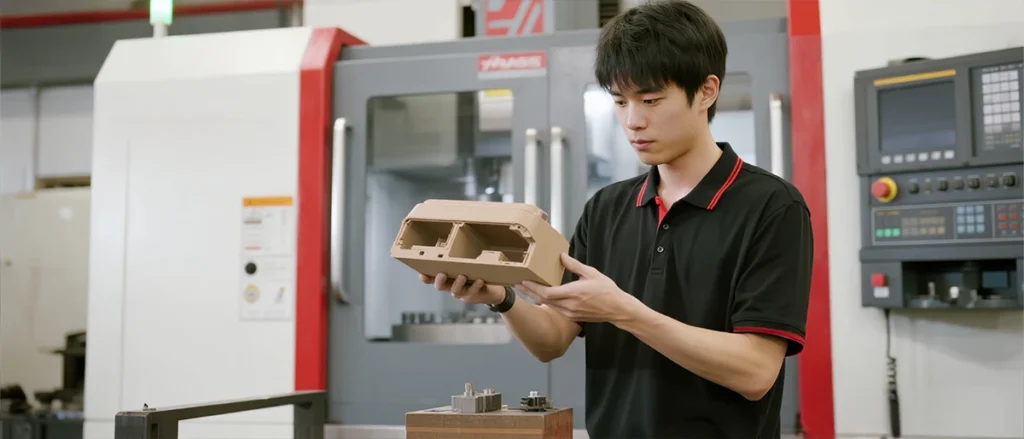
The optimal solution for functional prototypes, low-to-mid volume production runs, and geometrically complex parts. It's suitable for aluminum chassis for imaging systems, stainless steel structural brackets for medical carts, and high-performance PEEK components for reusable diagnostic tools.
- Metals & Plastics: Aluminum 6061/7075, Titanium, and PEEK.
- 5-Axis Precision: Tight tolerances as ±0.005mm accuracy.
- Full Surface Finish: 20+ types of surface finishing options.
Medical-Grade Tooling Systems

Critical for mass production of diagnostic test cartridges, pipette trays, and device enclosures. Designed for manufacturers needing high-cavitation molds with accelerated sampling cycles and validated tool performance.
- Mold Longevity: 1M+ shots with hardened tool steels.
- Rapid Sampling: First shots in 7-15 days.
- Micro-Features: EDM capabilities for <0.5mm details
Medical Rapid Prototyping
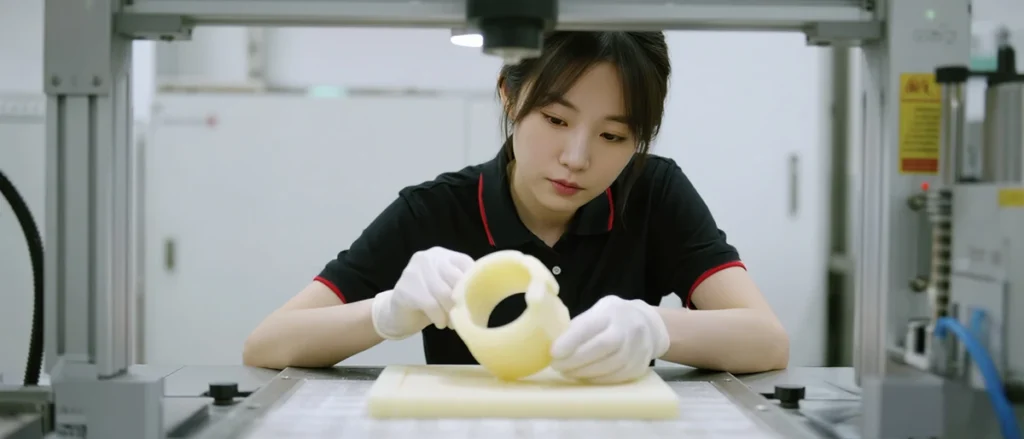
Accelerates development of surgical guides, diagnostic device housings, and ergonomic handpiece designs. Best for R&D teams needing functional prototypes or bridge production before injection molding validation.
- Medical Metals: 316L stainless steel, Ti6Al4V (ASTM F136).
- Micro-Precision: ±0.005mm accuracy with 5-axis milling.
- Full Surface Finish: 20+ types of surface finishing options.
Surface Finishing Options
First Mold offers in-house bead blasting and screen printing for medical components alongside comprehensive outsourced surface treatments. Our vetted suppliers are certified to ISO 13485 and have partnered with us for 12+ years. They can help deliver 15-22% cost savings versus market rates while ensuring full traceability and biocompatibility compliance.
For medical parts without any specific requests, we typically apply high-gloss finishing or adhere to industry standards. When you receive the finished product, you will undoubtedly be surprised by our exquisite craftsmanship.
- 20% average cost savings.
- Single-point quality accountability
- Full sterilization compatibility reports
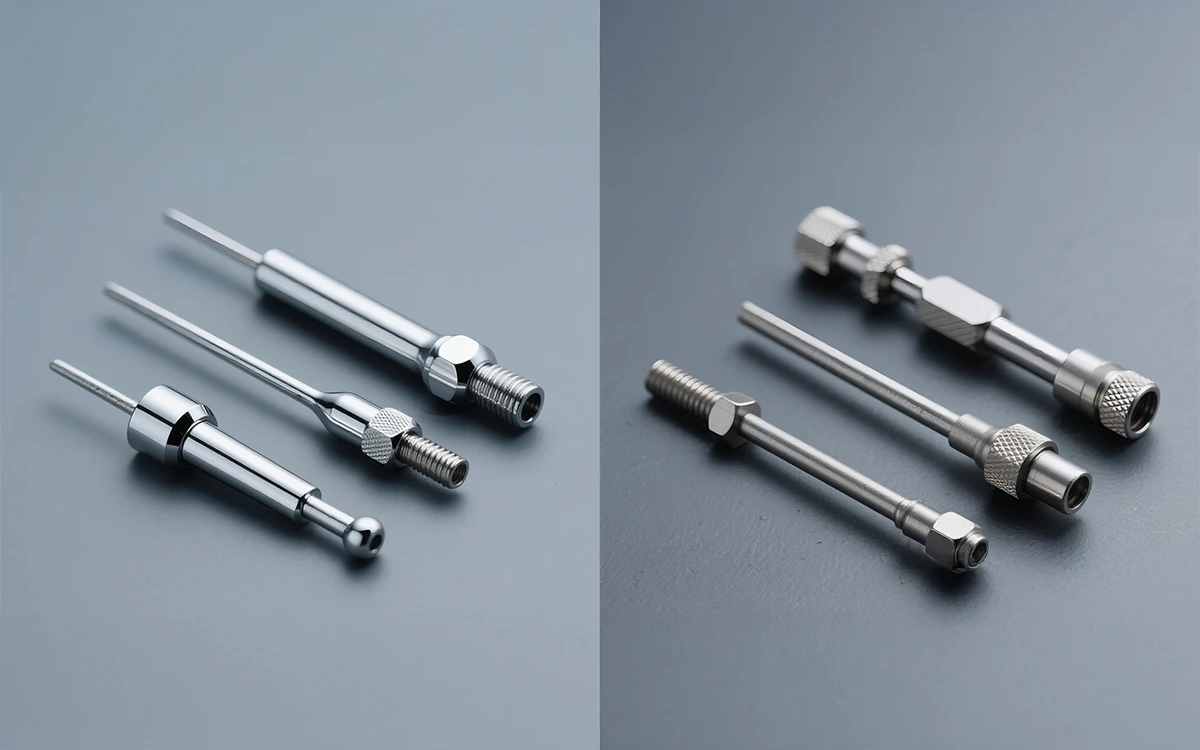
| Surface Treatment | Effect on Medical Components | Typical Medical Part Applications |
|---|---|---|
| Bead Blasting | Creates a uniform, non-glare matte texture for improved handling. | Housings for handheld diagnostic devices, equipment panels. |
| Pad Printing | Applies durable, wear-resistant markings, logos, and instructions. | Equipment control panels, reusable instrument handles. |
| Electropolishing | Produces ultra-smooth surfaces reducing bacteria. | Reusable stainless steel lab trays, instrument chassis. |
| Passivation | Enhances the corrosion resistance of stainless steel components. | Structural brackets, fasteners, and internal support frames. |
| Anodizing | Forms protective oxide layer for color coding. | Aluminum instrument panels, monitor housings, equipment knobs. |
| PVD Coating | Creates an ultra-hard, wear-resistant surface for moving parts. | High-wear components in diagnostic machinery, robotic arms. |
| Silicone Spray Coating | Adds a soft-touch, non-slip finish for improved ergonomics. | Handles for portable medical devices, patient-contact surfaces. |
| Powder Coating | Provides durable chip-resistant protective layer. | Medical cart frames, equipment chassis, and support structures. |
Medical Component Partnership Workflow
The manufacturing process of medical parts is not complicated. Throughout the entire process, all you may need to do is upload the 3D drawings and maintain communication with us.

1. Project Review & Technical Consultation
The manufacturing of medical parts begins with the upload of 3D documents (NDA protected). Unlike parts in other industries, quoting for medical parts takes longer, usually 24-48 hours. This is because our medical project team conducts more rigorous reviews of your drawing requirements, material selections, and tolerance standards.
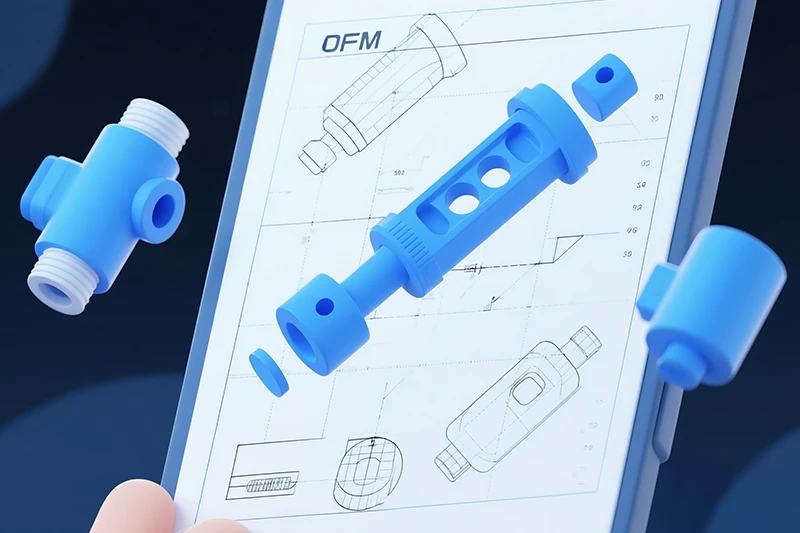
2. In-Depth Medical Parts DFM Analysis
Before the mold starts to be manufactured, our engineers can provide a detailed DFM report (simple types can be provided free of charge). In this way, we can identify potential manufacturing challenges. If there are any unreasonable aspects, we will proactively put forward optimization suggestions to you, aiming to improve the cost-effectiveness of the design, shorten the production cycle and enhance the part quality.

3. Tooling Making / CNC Machining
Upon your confirmation and approval, we will proceed to the stages of mold design, mold manufacturing, injection molding production, or CNC programming and CNC machining. Each project is assigned a dedicated project manager, sales representative, purchasing staff, PMC (Production and Material Control) personnel, and manufacturing workers. The production of medical parts will definitely be carried out under strict process controls, regardless of the quantity of your order.

4. Secure Packaging & Global Delivery
The finished medical parts undergo strict quality inspections. Afterwards, we will carefully clean the parts and use secure packaging. We handle the entire logistics arrangement, with delivery to any region worldwide.
The Source of Your Precision
Inside Our Advanced Facility
First Mold's dual manufacturing model offers multiple advantages. We have large-scale mass production capabilities in China and the advantage of duty-free access to the North American market in Mexico while maintaining uniform quality standards in both locations. Seeing is believing. We invite you to take a virtual tour of our clean, organized, and climate-controlled facility
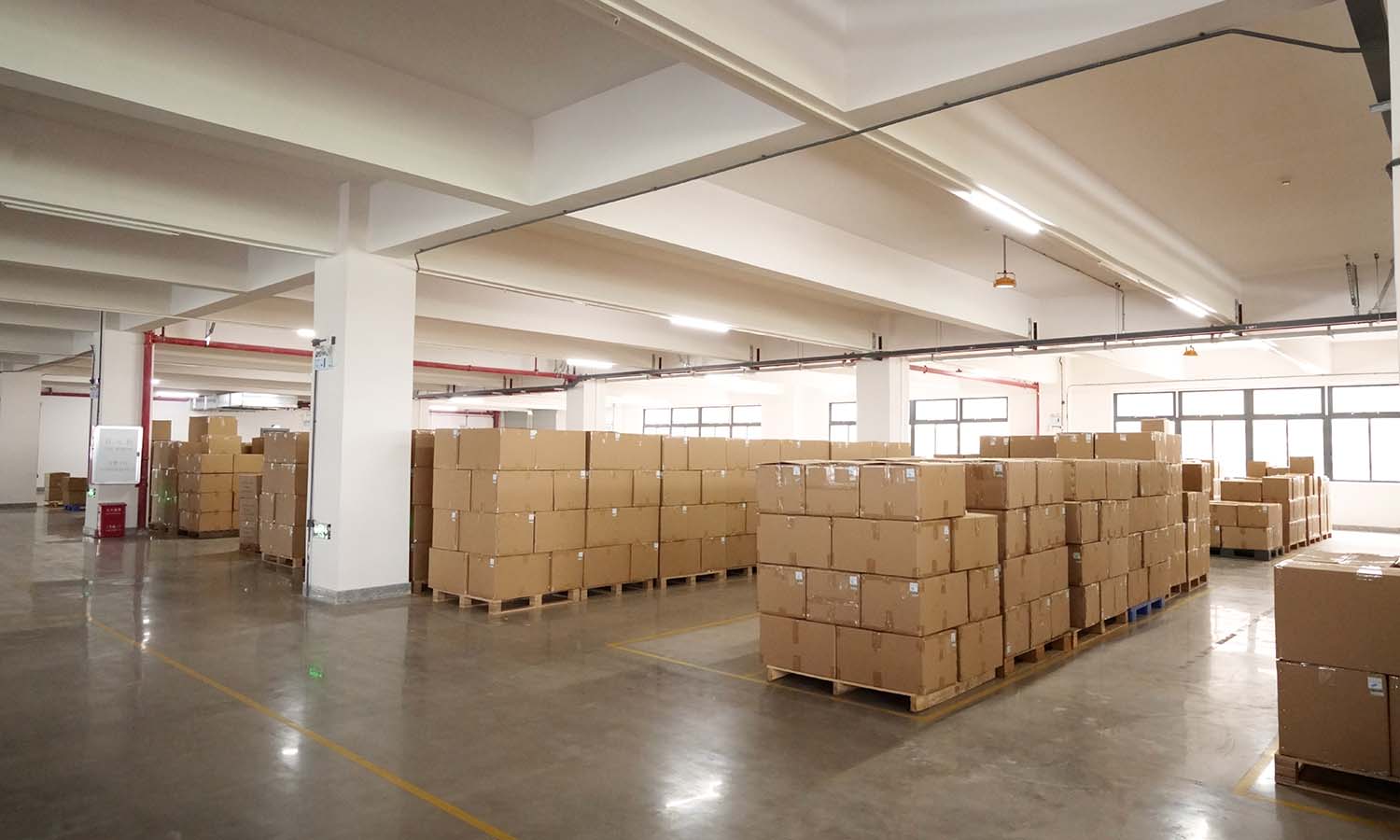
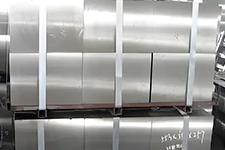
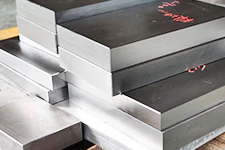
Storage
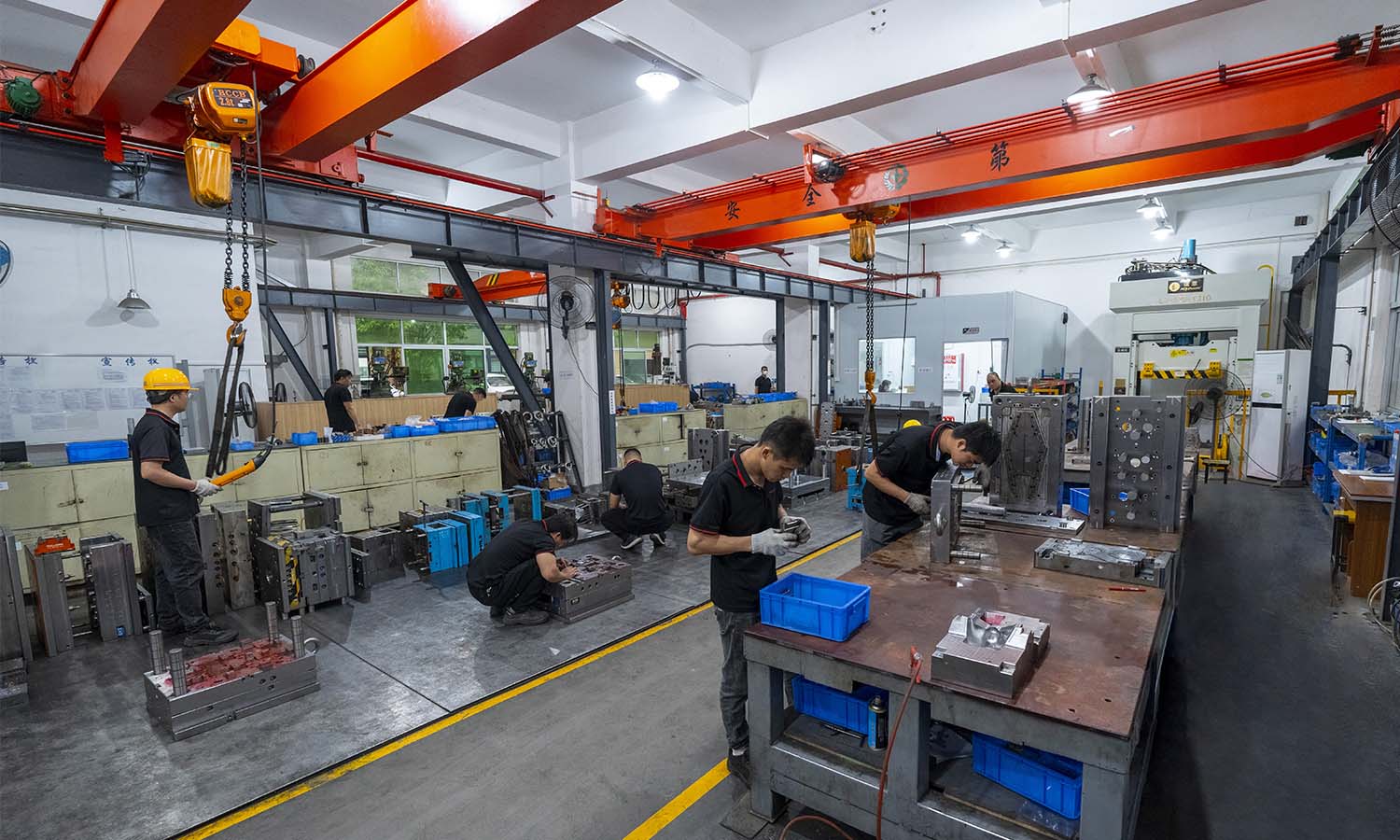
CNC Machining Shop
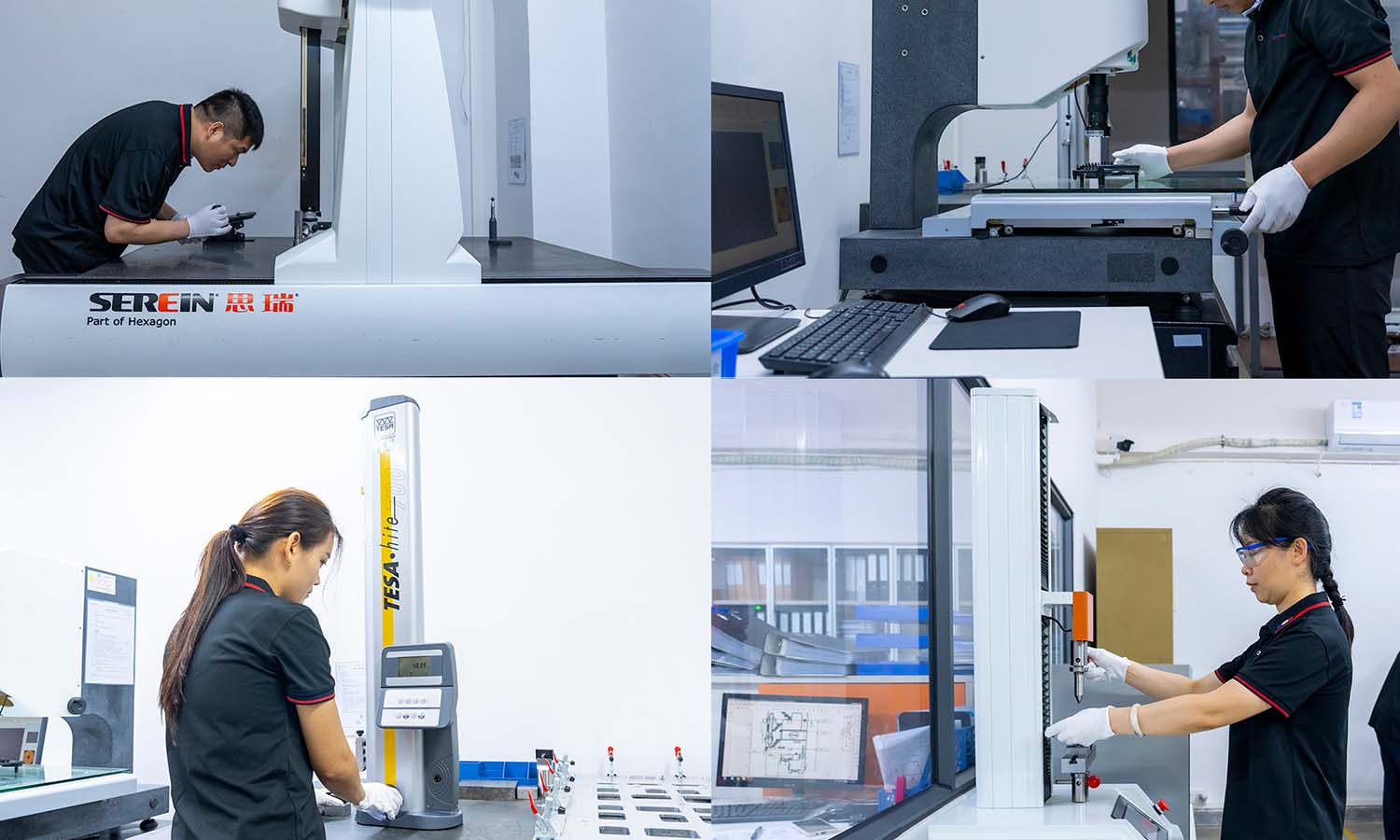
QC Department
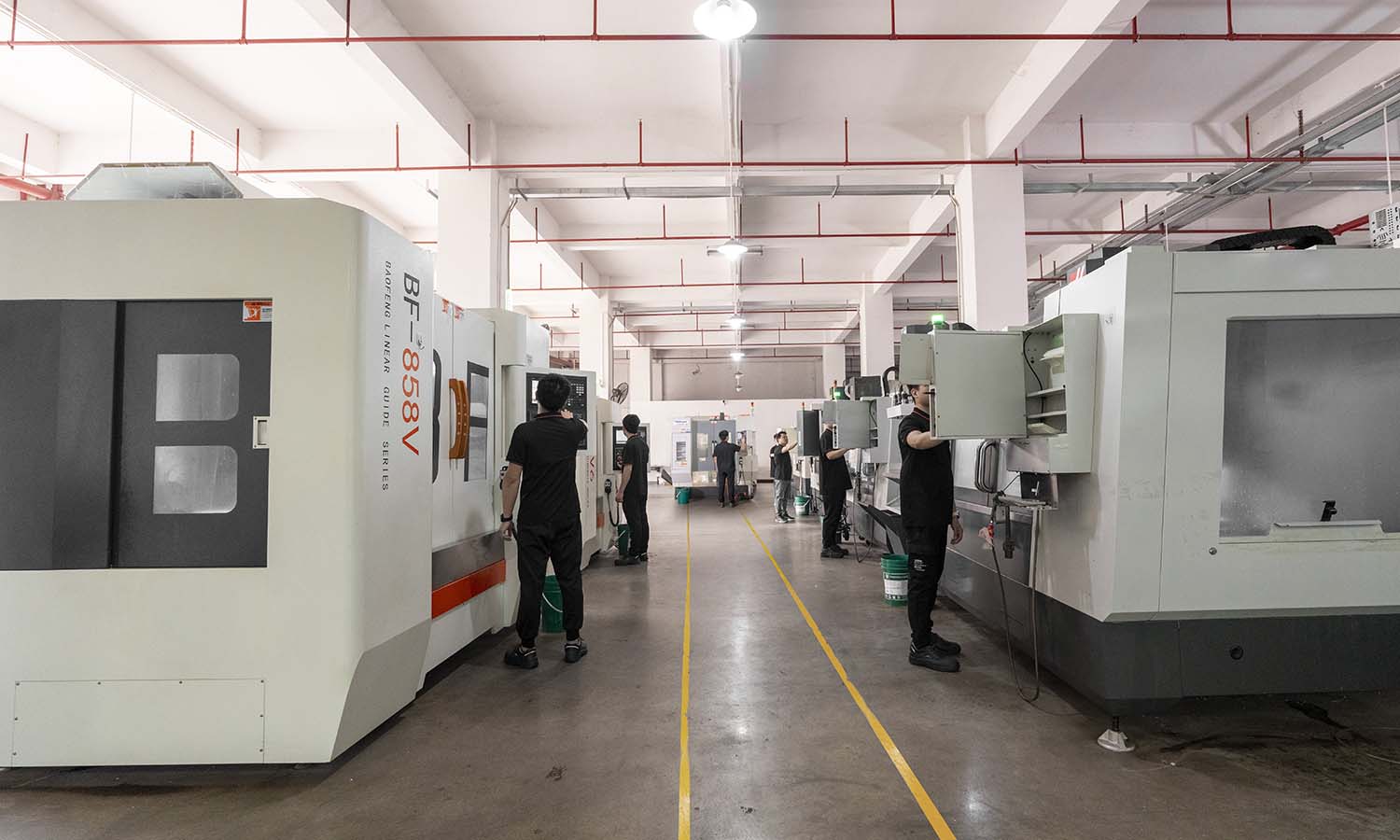
Clean Workshop
Material Option For Medical Parts Manufacturing
The medical device and healthcare industry is distinct from other sectors: many products are directly applied to the human body. So we strictly adhere to industry standards in our use of materials. Although this approach leads to a certain amount of raw material waste, we consistently refuse to use recycled materials for injection molding production, and this standard is upheld in the manufacturing of parts for other industries as well.
We can provide raw material certification for all processing methods and can also purchase from suppliers specified by clients. Our expertise includes the following raw materials:
| Material Category | Specific Materials | Medical Certifications | Key Applications |
|---|---|---|---|
| High-Performance Polymers | PEEK, PPSU, PEI, PPS | ISO 10993, USP Class VI, FDA 21 CFR | Reusable instrument handles, structural components for diagnostic machines, manifolds. |
| Engineering Plastics | PC, POM, UHMWPE, COC | FDA, ROHS, REACH compliant | Diagnostic equipment housings, optical-grade covers and lenses, durable moving parts. |
| Medical Metals | 316L Stainless Steel, Ti6Al4V (Grade 5/23), CoCrMo | ASTM F138/F139, ISO 5832-3 | Structural frames for medical carts, equipment chassis, non-implant surgical tool components. |
| General Plastics | ABS, PP, HDPE, PVC, PS, Nylon (PA6/66) | ROHS, REACH | Enclosures for lab equipment, non-contact covers and panels, functional prototypes. |
| Engineering Alloys | Aluminum 6061-T6, Brass C360 | ISO 9001, ASTM B221 | Chassis for diagnostic equipment, heat sinks, connectors and fittings. |
| Medical Elastomers | Platinum LSR, TPE-S, Silicone | USP Class VI, ISO 10993-10 | Seals and gaskets for diagnostic equipment, soft-touch grips for handheld devices, vibration dampeners. |
| High-Temp Polymers | PAI, PPS, PEEK GF30 | UL94 V-0, FDA compliant | Sterilization trays, fluid handling |
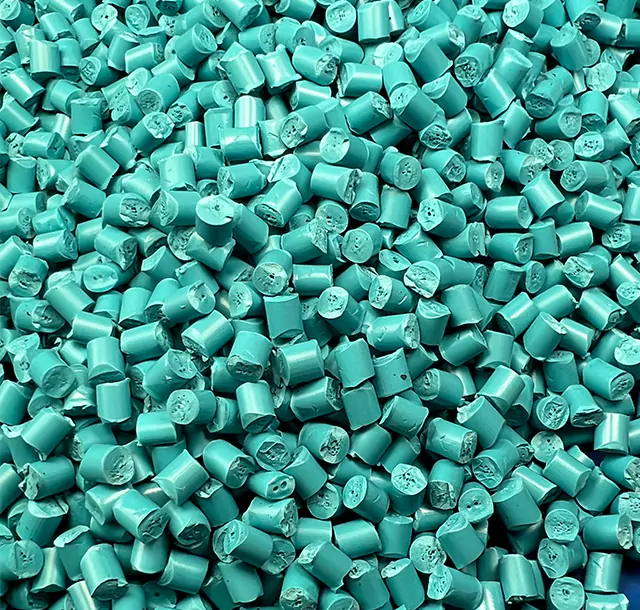
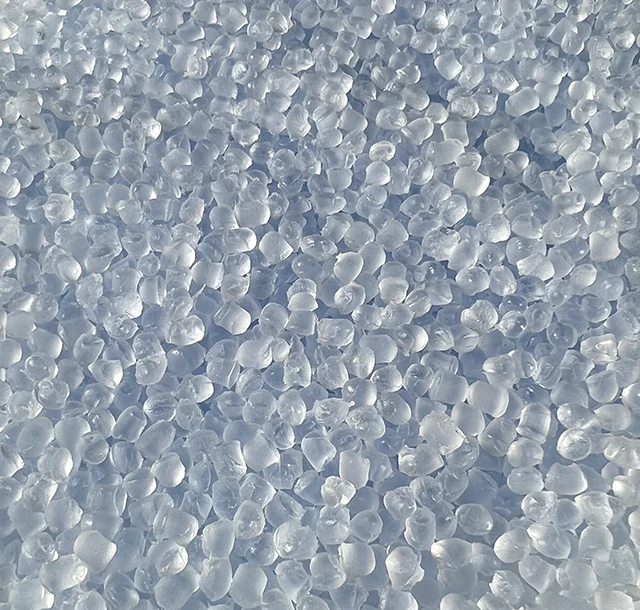
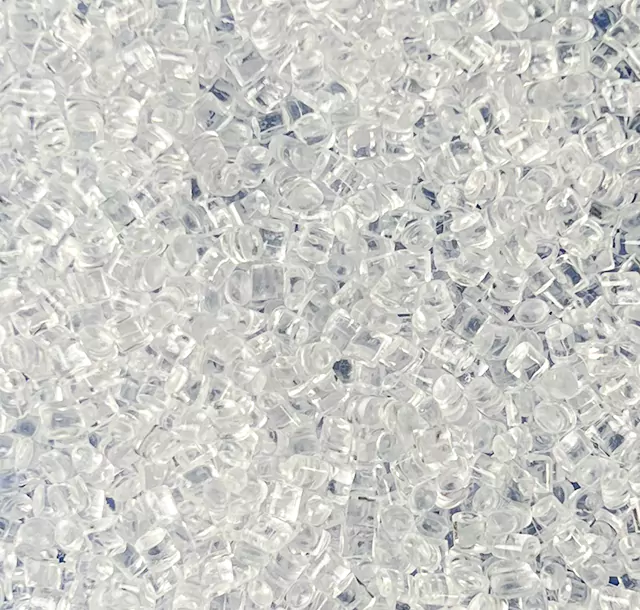
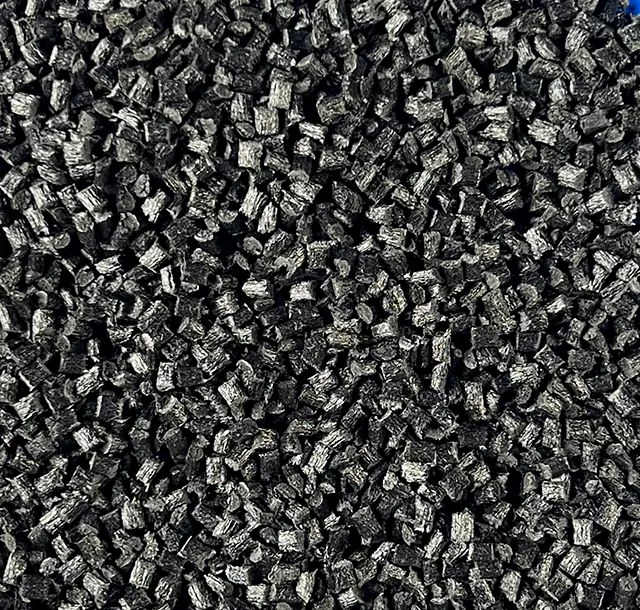
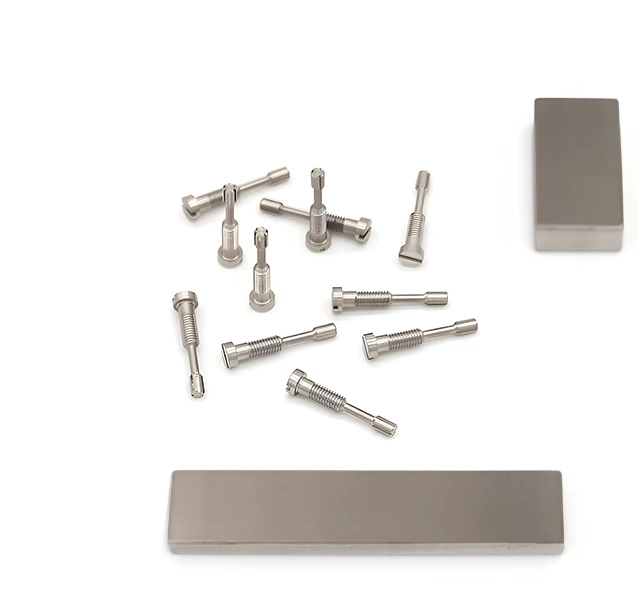
Material Option For Medical Parts Manufacturing
The medical device and healthcare industry is distinct from other sectors: many products are directly applied to the human body. So we strictly adhere to industry standards in our use of materials. Although this approach leads to a certain amount of raw material waste, we consistently refuse to use recycled materials for injection molding production, and this standard is upheld in the manufacturing of parts for other industries as well.
We can provide raw material certification for all processing methods and can also purchase from suppliers specified by clients. Our expertise includes the following raw materials:
| Material Category | Specific Materials | Certifications | Applications |
|---|---|---|---|
| High-Performance Polymers | PEEK, PPSU, PEI, PPS | ISO 10993, USP Class VI | Instrument handles, manifolds |
| Engineering Plastics | PC, POM, UHMWPE, COC | FDA, ROHS, REACH | Housings, lenses, parts |
| Medical Metals | 316L, Ti6Al4V, CoCrMo | ASTM F138, ISO 5832 | Frames, chassis, tools |
| General Plastics | ABS, PP, HDPE, PVC | ROHS, REACH | Enclosures, panels |
| Alloys | Aluminum 6061-T6, Brass | ISO 9001 | Heat sinks, fittings |
| Elastomers | LSR, TPE-S, Silicone | USP Class VI | Seals, gaskets, grips |
| High-Temp Polymers | PAI, PPS, PEEK GF30 | UL94 V-0, FDA | Sterilization trays |
Built-in Quality System
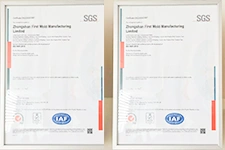
ISO 13485 & ISO 9001 Certified Medical Manufacturing
Sanpin's ISO 13485:2016 and ISO 9001:2015 certifications are engineered into our medical component production. This dual-compliance framework ensures:
- Full traceability from raw material to finished part.
- Validated manufacturing with SPC monitoring.
- Audit-ready technical files.
- No recycled materials used in any production.
| KPI | Performance | Industry Average |
|---|---|---|
| Material Traceability | 100% | 78% |
| Document Accuracy | 99.98% | 95% |
| CAPA Closure Time | <72 hrs | 14 days |
| Medical Device PPM | <500 | 2,500 |
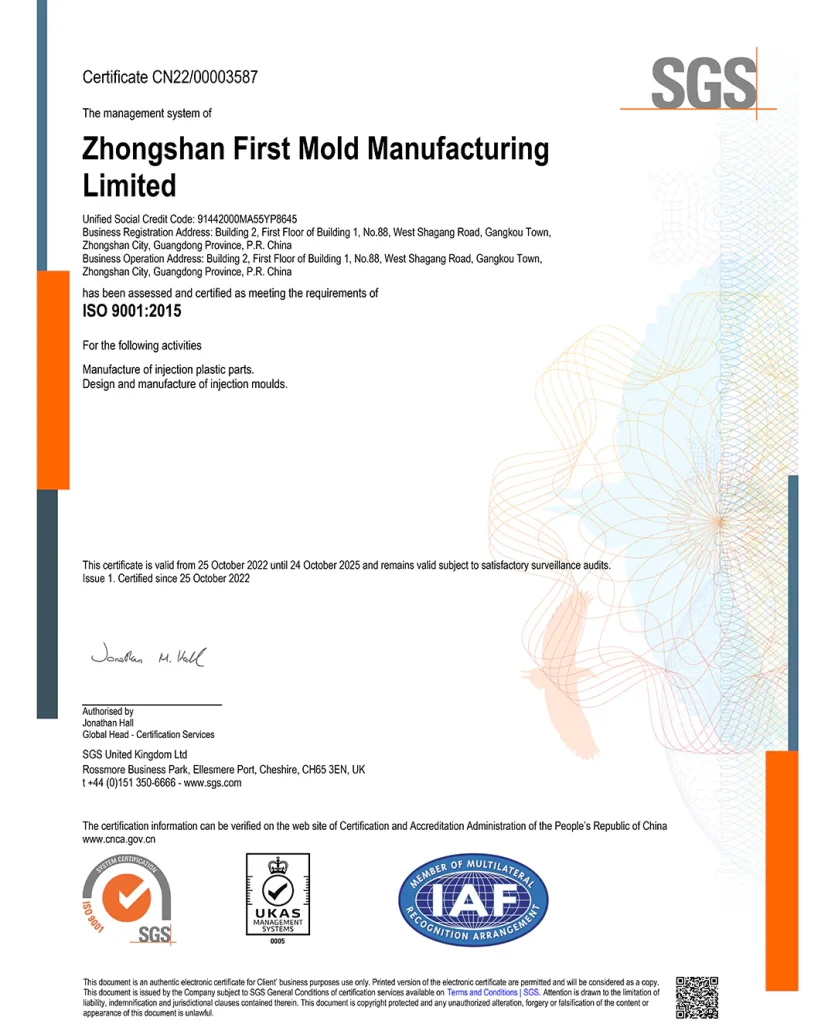
ISO 9001:2015
This certification governs our entire operation. For you, this means:
- Meticulous Process Control
We utilize designated clean workstations for assembling sensitive components and maintain precise mold temperature monitoring (±1°C). - Verifiable Measurement & Monitoring
We provide 100% dimensional reports for critical components and can implement automated testing protocols, such as leak testing for sealed diagnostic cartridges.
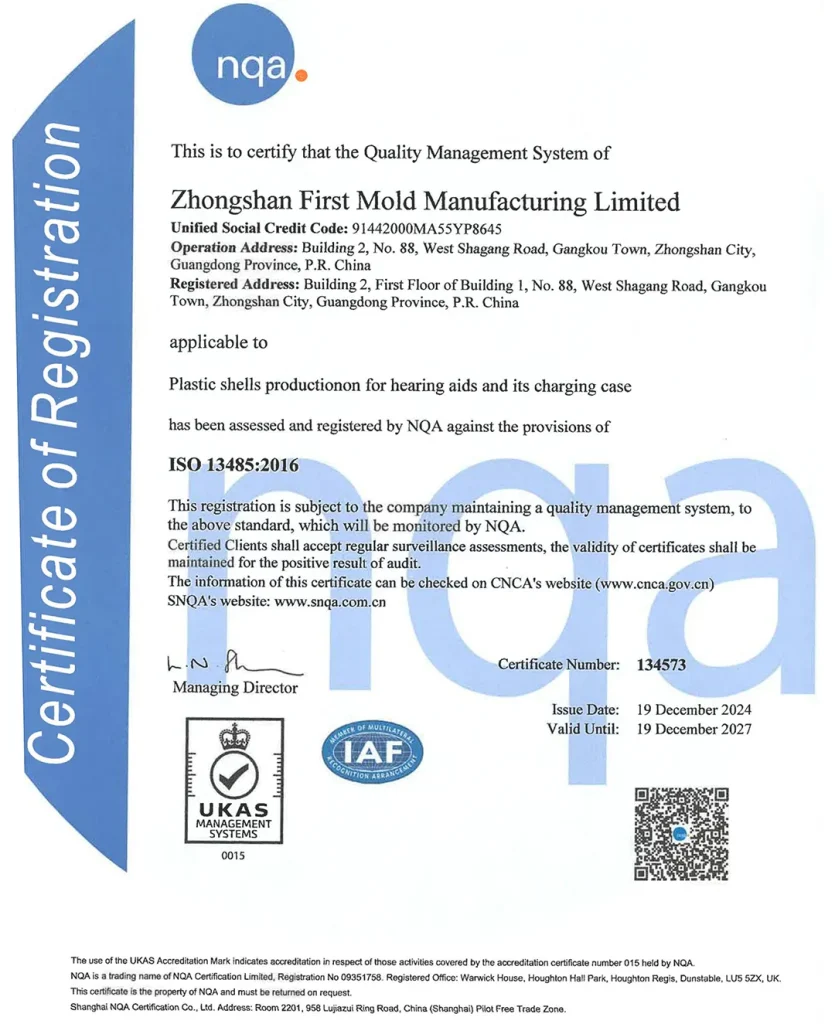
ISO 13485:2016
We apply this medical-grade quality mindset to every project, which means:
- Robust Production Controls
You receive a comprehensive First Article Inspection (FAI) report for approval before we begin full production. - Rapid & Effective Corrective Action
Our closed-loop CAPA (Corrective and Preventive Action) system ensures that any potential nonconformity is addressed and resolved in under 72 hours—a fraction of the industry average.
Trusted By Industry Leaders In Medical Technology
We partner with medical device manufacturers worldwide to deliver precision components, reliable production, and full regulatory compliance.
- Diagnostic Equipment Makers
- Healthcare Robotics Innovators
- Laboratory Automation Companies
- Wearable Health Tech Pioneers
- Medical Imaging System Developers
- Life Science Instrument Providers
"First Mold’s ISO 13485 compliance and material traceability made our regulatory audit seamless. Their precision and speed are unmatched."
Sarah Johnson
Operations Manager, Healthcare Device Company
"From prototype to mass production, their team delivered consistent quality. The cleanroom production and quality control exceeded our expectations."
Michael Chen
Senior Product Engineer, Medical Equipment Firm

"Reliable lead times, full material certification, and professional communication. They’ve become our long-term medical component supplier."
Emily Rodriguez
Supply Chain Coordinator, Healthcare Device Enterprise