Injection Molding Materials

Injection Molding Materials

Choosing the wrong injection molding material may causes 23% of product failures. Fortunately, Sanpin has rich manufacturing experience in material application, so this percentage can be further reduced.

We provides a full range of injection molding materials for production. You pick the materials, we craft masterpieces.
Get Advice For Your Parts

What Are Injection Molding Materials?

Plastic is a common material with polymer synthetic resin as its main component. They are plastic and fluid under certain temperatures and pressures, can be molded into specific shapes, and can maintain their shape under certain conditions. Most plastics can be injection molded, so injection molding materials are often referred to as those plastics that can be used in injection molding production.

Product designers need to rely on material properties to ensure design feasibility and performance. Injection molding engineers need to precisely regulate process parameters based on the thermal behavior of the material to optimize production. Mold designers need to design the mold structure with the material fluidity and shrinkage. Quality control personnel need to trace the root cause of the problem through material defect analysis.

If you are a beginner in injection molding, we recommend that you first click on “What is Injection Molding” to gain a comprehensive basic understanding of the process.

Injection Molding Materials Classification

Injection Molding Materials Classification

Injection molding materials are usually divided into the following 5 categories according to the scientific classification system:

  • Commodity Thermoplastics (PP, PE, PS): Cost-effective solutions for high-volume applications
  • Engineering Plastics (ABS, PC, Nylon, POM): Enhanced mechanical/thermal properties
  • High-Performance Polymers (PEEK, PPS, PEI): Extreme temperature/chemical resistance
  • Thermosetting Polymers (Epoxy, Silicone): Irreversible curing for electrical insulation
  • Modified Compounds: Custom blends with additives (e.g. glass-filled nylon)

Future innovation directions include modified plastics that can be more customized for different performance needs. All injection molding materials are classified based on characteristics like durability, heat resistance, flexibility, and eco-friendly options.

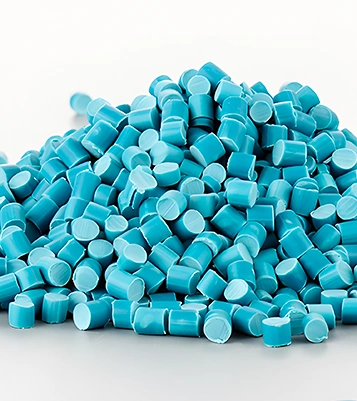
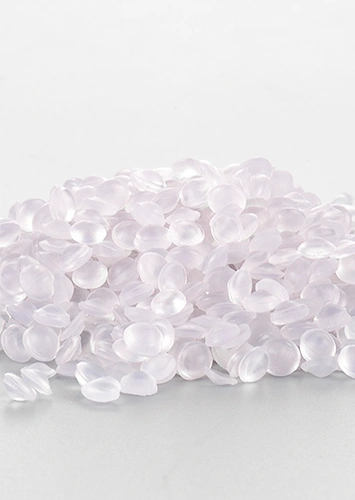
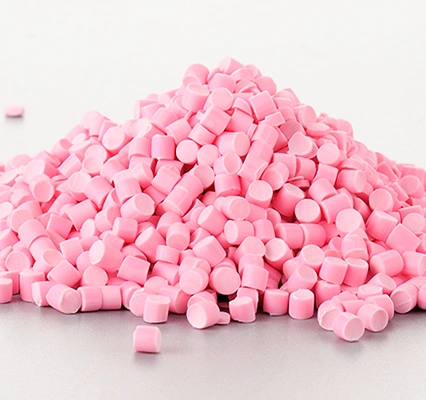
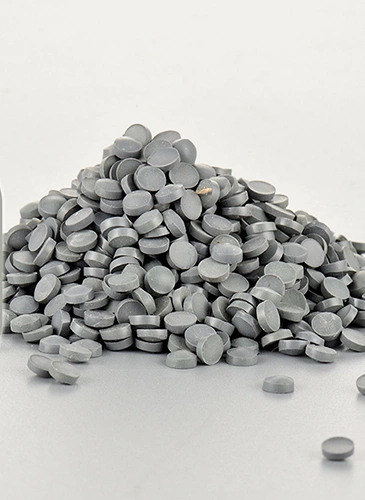
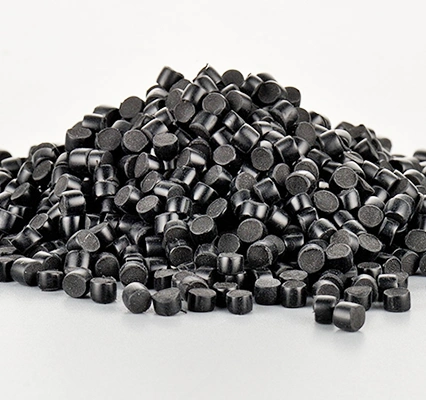
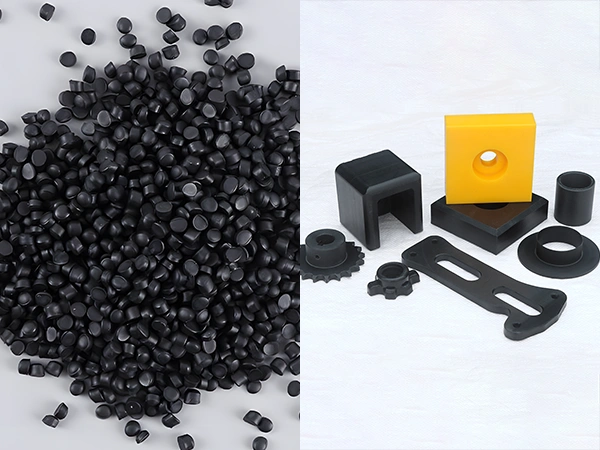
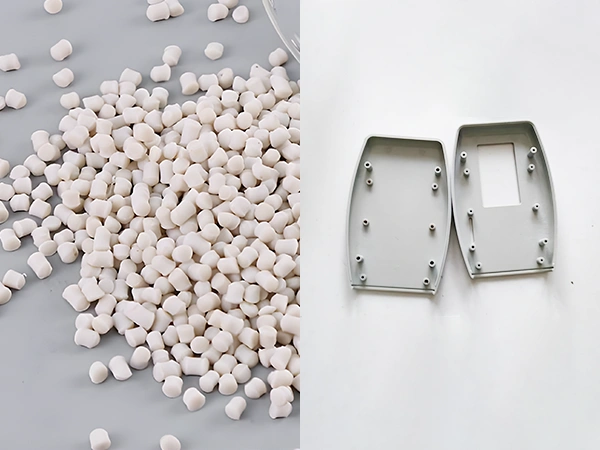
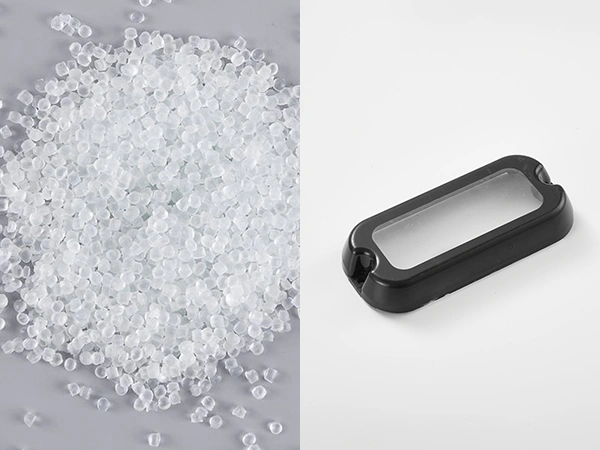
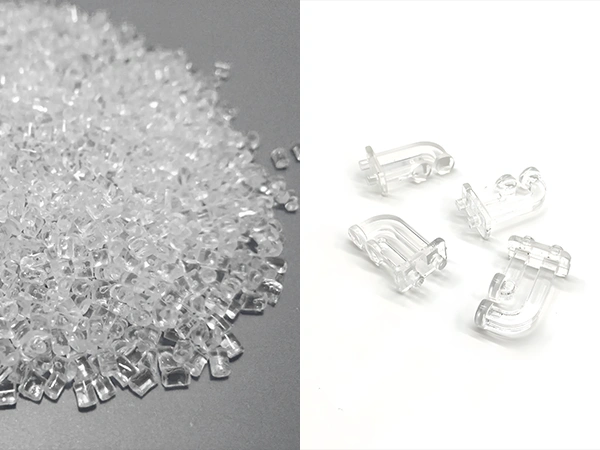
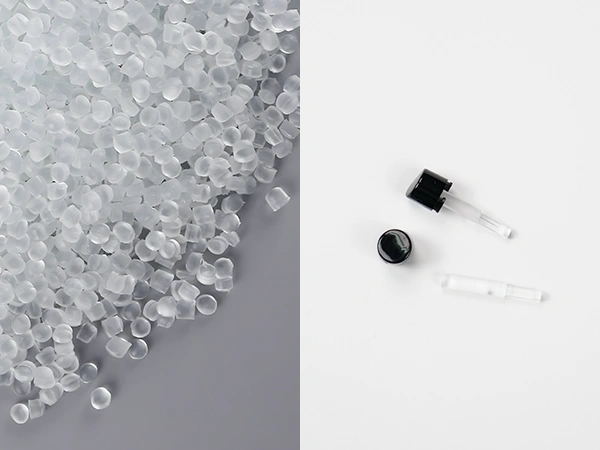
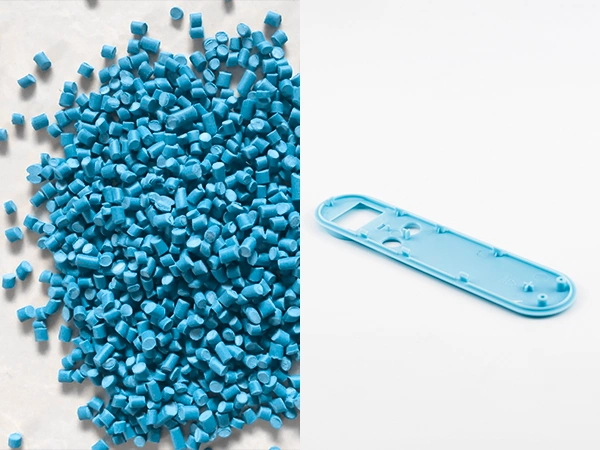
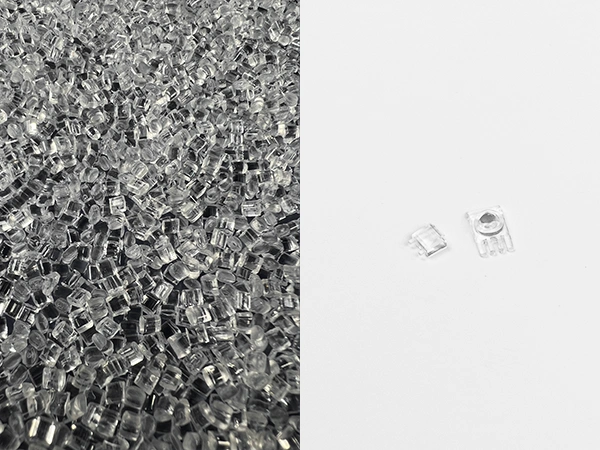
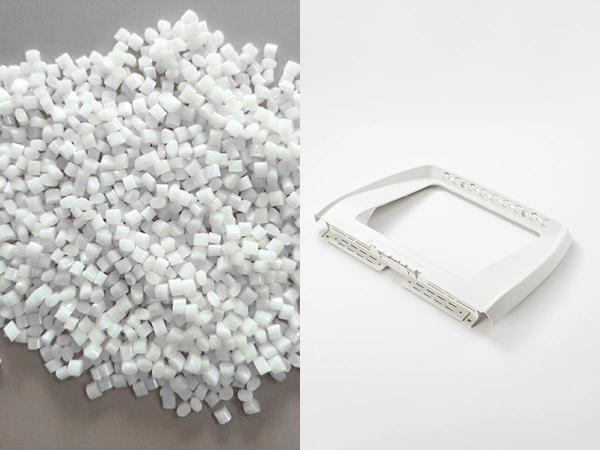
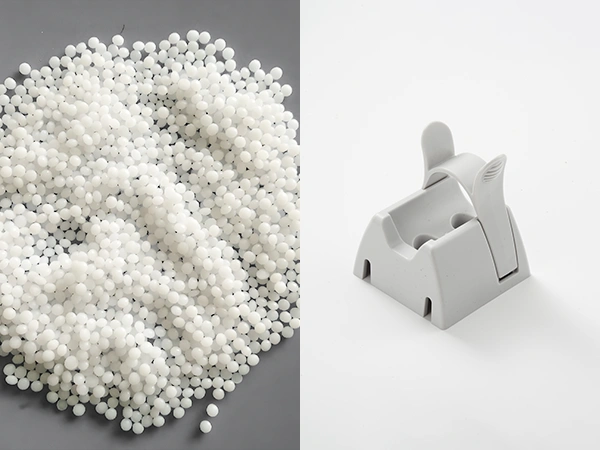
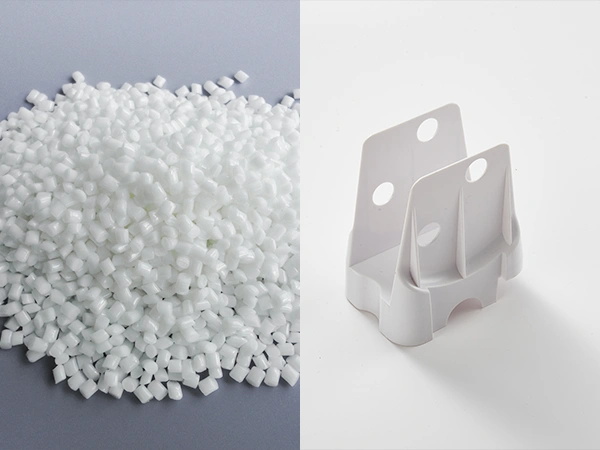
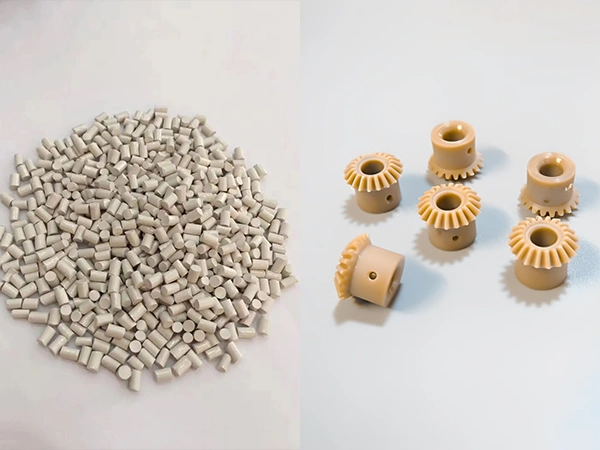
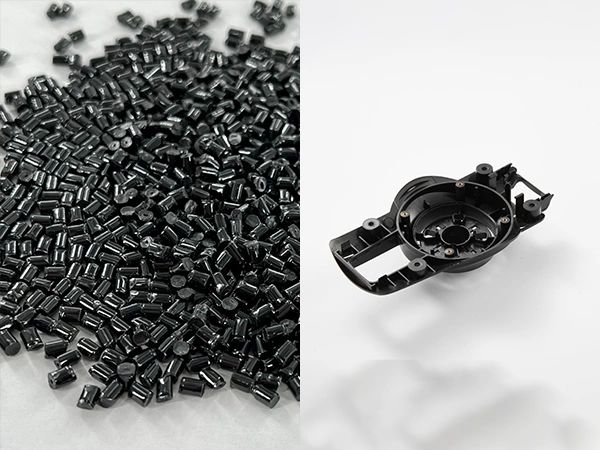
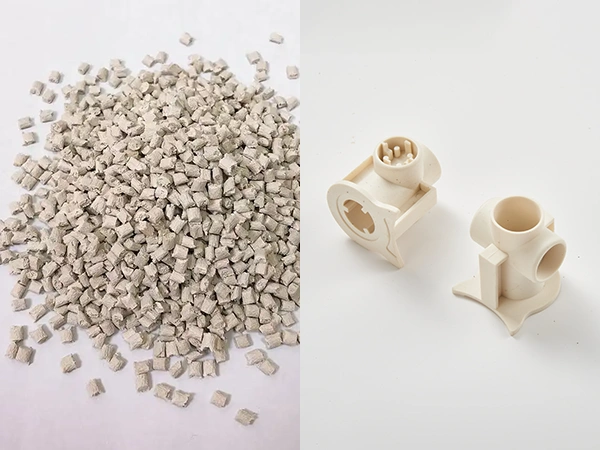
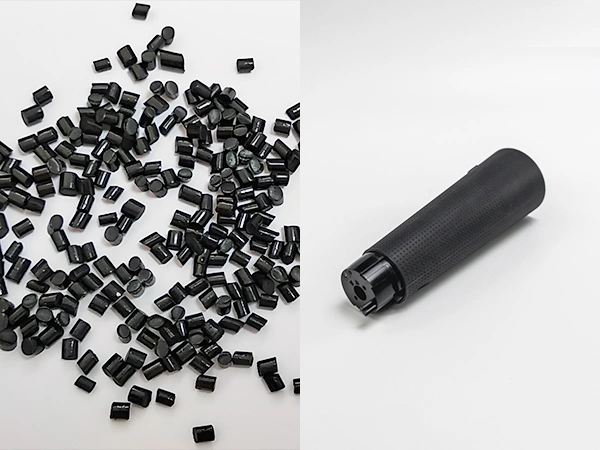
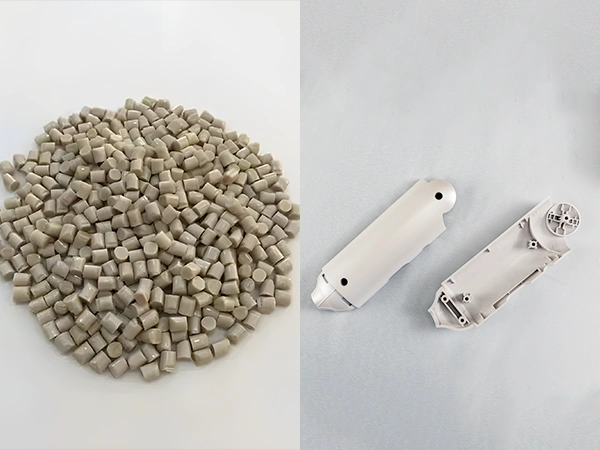
PVC Pellet Modified PC Engineering ABS Thermoplastic Elastomers Modified PP
Injection Molding Materials Library

Injection Molding Materials Library

This knowledge base covers most commonly used plastics (including some modified plastics). You will be able to get a basic understanding of each plastic's properties, applications, as well as its key advantages and disadvantages.

Engineering Plastics

PA6

Function

Gears, bearings, automotive parts, textiles

Characteristics

High strength, wear resistant, good fatigue resistance

Advantage

Excellent mechanical properties and wear resistance

Disadvantage

Hygroscopic and can absorb moisture

Engineering Plastics

PA66

Function

Automotive parts, electrical components, industrial parts

Characteristics

High strength, heat resistant, good chemical resistance

Advantage

Higher melting point and rigidity than PA6

Disadvantage

Stronger hygroscopicity, poor dimensional stability

Engineering Plastics

PA11

Function

Oil pipelines, soft hoses, precision parts

Characteristics

Low water absorption, oil resistance, flexibility

Advantage

Good low temperature resistance and stable size

Disadvantage

High cost, insufficient hardness

Engineering Plastics

PA12

Function

Electronic accessories, medical parts, thin-wall products

Characteristics

Ultra-low water absorption, high toughness

Advantage

Best dimensional stability among nylon materials

Disadvantage

Expensive, poor high temperature resistance

Engineering Plastics

POM

Function

Gears, slider parts, fasteners

Characteristics

High hardness, wear resistance, self-lubricating

Advantage

High surface hardness, not easy to deform

Disadvantage

Poor weather resistance, easy to age

Engineering Plastics

PC

Function

Transparent parts, safety protection, electronic shells

Characteristics

High transparency, impact resistance, heat resistance

Advantage

Super strong impact resistance, non-toxic

Disadvantage

Poor scratch resistance, sensitive to hydrolysis

Engineering Plastics

ABS

Function

Home appliances, electronic housings, daily necessities

Characteristics

Balanced performance, easy coloring, easy processing

Advantage

Good comprehensive performance, low price

Disadvantage

Poor heat resistance, easy to yellow

Engineering Plastics

PMMA

Function

Light guide plates, display screens, optical parts

Characteristics

High light transmittance, weather resistance

Advantage

Crystal clear, excellent outdoor stability

Disadvantage

Low hardness, easy to scratch and crack

Engineering Plastics

PET

Function

Beverage bottles, packaging, fiber products

Characteristics

High strength, transparent, gas barrier

Advantage

Light weight, environmental protection, recyclable

Disadvantage

Poor high temperature resistance

General Purpose Plastics

PP

Function

Daily packaging, containers, auto interior parts

Characteristics

Light weight, corrosion resistance, high temperature resistance

Advantage

Low cost, high heat resistance, good toughness

Disadvantage

Poor low temperature resistance, easy to brittle

General Purpose Plastics

PE

Function

Plastic bags, pipes, chemical containers

Characteristics

Excellent chemical resistance, low temperature resistance

Advantage

Soft and tough, acid and alkali resistant

Disadvantage

Low heat resistance, difficult to bond

General Purpose Plastics

PS

Function

Disposable tableware, packaging, toys

Characteristics

High transparency, light weight, low price

Advantage

Good rigidity, easy to process and shape

Disadvantage

Very brittle, poor impact resistance

General Purpose Plastics

PVC

Function

Pipe fittings, profiles, daily plastic products

Characteristics

Wear resistance, flame retardant, low cost

Advantage

Flame retardant, good chemical stability

Disadvantage

Poor high temperature resistance, easy aging

High Performance Plastics

PEEK

Function

Aerospace, medical equipment, precision machinery

Characteristics

Ultra-high temperature resistance, high strength

Advantage

Comprehensive top performance, corrosion resistance

Disadvantage

Extremely expensive, high processing difficulty

High Performance Plastics

PI

Function

Aerospace components, high temperature insulation parts

Characteristics

Super high temperature resistance, radiation resistance

Advantage

Extreme environment resistance, stable performance

Disadvantage

High price, difficult molding

High Performance Plastics

PPS

Function

Electronic flame retardant parts, auto high temp parts

Characteristics

Flame retardant, high temperature resistant, corrosion resistant

Advantage

Excellent flame retardant and chemical resistance

Disadvantage

Brittle, poor toughness

Thermoplastic Elastomers

TPE/TPR

Function

Soft rubber parts, non-slip accessories, daily soft glue

Characteristics

Soft elastic, environmental protection, recyclable

Advantage

Rubber feeling, good anti-slip performance

Disadvantage

Poor high temperature resistance, easy to stain

Thermoplastic Elastomers

TPU

Function

Shoe materials, waterproof parts, wear-resistant parts

Characteristics

High wear resistance, oil resistance, high elasticity

Advantage

Wear-resistant, tear-resistant, high transparency

Disadvantage

Easy to yellow, poor hydrolysis resistance

Biodegradable Plastics

PLA

Function

Disposable tableware, degradable packaging, 3D printing

Characteristics

Fully biodegradable, plant-based raw materials

Advantage

Environmental protection, non-toxic, clear texture

Disadvantage

Poor heat resistance, brittle and fragile

Biodegradable Plastics

PBAT

Function

Degradable plastic film, shopping bags, flexible packaging

Characteristics

Tough, fully degraded, good processing

Advantage

Good toughness, solves PLA brittleness problem

Disadvantage

High cost, low hardness

Specialty Plastics

PTFE

Function

Anti-corrosion parts, high temperature sealing, non-stick coating

Characteristics

Anti-corrosion, high temperature resistance, self-lubricating

Advantage

King of corrosion resistance, ultra-low friction

Disadvantage

Difficult injection molding, poor rigidity

Specialty Plastics

PVDF

Function

Chemical equipment, lithium battery parts, waterproof film

Characteristics

Aging resistance, corrosion resistance, high strength

Advantage

Strong weather resistance and film forming property

Disadvantage

Expensive, strict processing requirements

Plastic Alloys

PC+ABS

Function

Notebook shells, automotive interior, large household appliances

Characteristics

Balanced toughness and rigidity, easy processing

Advantage

Overcome PC stress cracking and ABS heat resistance defects

Disadvantage

Slightly poor weather resistance

Plastic Alloys

PP+GF

Function

Structural parts, auto parts, high rigidity products

Characteristics

Glass fiber reinforced, high rigidity

Advantage

Low cost and high strength after modification

Disadvantage

Poor surface appearance, easy warping

Other Thermoplastics

EVA

Function

Foam materials, shockproof accessories, daily soft products

Characteristics

Light, soft, shock absorption

Advantage

Good cushioning performance, non-toxic

Disadvantage

Poor high temperature resistance, easy aging

Other Thermoplastics

ASA

Function

Outdoor products, solar shells, outdoor profiles

Characteristics

Ultra-strong weather resistance, anti-aging

Advantage

No yellowing for long-term outdoor use

Disadvantage

Higher price than ordinary ABS
How To Choose The Right Injection Molding Material

How To Choose The Right Injection Molding Material For Your Product?

For most established products like water bottles or electronic device casings, material choices usually follow industry norms. For example, PP plastic works well for containers because it resists chemicals. ABS plastic, on the other hand, is good for consumer electronics casings. It balances strength and looks nicely. These material picks have stood the test of time, backed by decades of manufacturing experience.

But your product might not be one of those common items. Or maybe it's an innovation based on an established product. In those cases, you'll need to choose materials. There are several factors you'll have to weigh:

Total Cost Analysis

Material cost per kg plus processing expenses and tooling impact.

Functional Performance

Mechanical, thermal, and electrical material properties required for product operation.

Environmental Resistance

Resistance to chemicals, UV, moisture, or extreme temperature conditions.

Manufacturing Feasibility

Injection molding process compatibility including flow behavior and cooling rates.

Aesthetic Requirements

Surface finish quality, color stability, and optical clarity characteristics.

Regulatory Compliance

Certifications for food-grade, medical, or flame-retardant plastics.

How much will my project really cost?

To answer this question, you need to first clarify the cost structure of injection molding production and address the question of how material selection affects each cost element.

Cost Component Percentage Range Details
Raw Material Costs 40-60% Includes base resin prices (subject to crude oil fluctuations) and costs of modifying additives.
Processing Costs 20-35% Includes equipment energy consumption, molding cycle time, and scrap losses.
Mold Costs 15-25% Includes initial investment, maintenance costs, and life cycle expenses.
Post-Processing Costs 5-20% Includes surface treatments, assembly difficulty, and testing fees.
Cost Type Material Impact Mechanism Optimization Strategy
Raw Material Cost Significant price gaps between specialty and commodity resins. Avoid overspecification, fit-for-purpose selection
Processing Cost Flowability affects cycle time and output efficiency. High-flow material for thin-wall structure
Mold Cost Reinforced materials accelerate mold wear. Hardened mold steel or surface coating
Post-Processing Cost Surface performance determines secondary processes. Integrated material to reduce processes

How can I make my product look better?

Once costs are confirmed as feasible, designers will likely turn their attention to a product's visual appeal. Choosing the right injection molding material means considering how well it can achieve the desired look. This usually ties to the surface treatments applied after injection molding.

Processing Technology Applicable Materials Effect Characteristics Cost Coefficient Design Case Examples
In-Mold Decoration (IMD) ABS, PC, PMMA 3D graphics/text embedding, seamless touch control ★★★☆ Automotive center console panel
Painting General plastics High gloss/matte finish, gradient colors ★★☆ Appliance housing
NCVM Vacuum Plating PC, PC/ABS Metallic texture + signal transparency ★★★☆ Mobile phone antenna cover

Electroplating/Vacuum Plating Electroplating-grade ABS Mirror chrome/gold effect ★★★★ Bathroom faucet trim
Hydrographics/Heat Transfer Complex curvature parts Wood grain/marble imitation, seamless coverage ★★☆ Helmet, outdoor equipment
Laser Engraving Glass fiber reinforced plastics Permanent marking, micro precision carving ★☆☆ Medical device labeling
Texture Etching PP, ABS, TPE Leather grain, anti-slip texture, matte effect ★☆☆ Tool handle, daily consumer goods

First Mold Factory's Skilled Injection Molding Materials

We sincerely hope that you can have a deeper understanding of injection molding materials, as this will be greatly beneficial for your product design. In fact, many of our clients have varying degrees of understanding of plastic materials, and a small portion of them even specify particular material suppliers for us to purchase from. We highly encourage you to do this. At the same time, we can also provide various purchase verifications and material testing certifications.

PE Injection Molding

PE Injection Molding

HDPE, LDPE and LLDPE.

PP Injection Molding

PP Injection Molding

Both Homopolymer and Copolymer types.

PS Injection Molding
PS Injection Molding

GPPS and HIPS.

PMMA Injection Molding

PMMA Injection Molding

Clarity and resistance to UV light.

PVC Injection Molding

PVC Injection Molding

Rigid and flexible grades available.

ABS Injection Molding

ABS Injection Molding

Balanced toughness and rigidity.

PC Injection Molding

PC Injection Molding

Impact resistance and high transparency.

PA Injection Molding

PA Injection Molding

Nylon grades including PA6, PA66, PA11, PA12.

POM Injection Molding

POM Injection Molding

High stiffness, wear resistance and lubricity.

PBT Injection Molding

PBT Injection Molding

High heat resistance and electrical insulation.

PET Injection Molding

PET Injection Molding

Excellent strength and dimensional stability.

TPE Injection Molding

TPE Injection Molding

Soft elastic, eco-friendly and recyclable.

TPU Injection Molding

TPU Injection Molding

High elasticity, wear resistance and oil resistance.

PPS Injection Molding

PPS Injection Molding

Ultra-high temperature resistant and flame retardant.

PEEK Injection Molding

PEEK Injection Molding

Top performance for medical & aerospace applications.

FAQ On Injection Molding Materials

FAQ
For high-volume production, commodity plastics like PP, PE, and PS are the most cost-effective, offering low material costs and fast cycle times.
ABS balances toughness and cost; PC offers superior impact resistance; Nylon provides excellent strength and wear resistance. Your choice depends on mechanical needs and budget.
Engineering plastics like PPS, PEEK, and some grades of PC and PA retain their properties at both high and low temperatures.
Yes, materials like ASA, PC/ABS blends, and UV-stabilized PP offer both weather resistance and a high-quality finish.
For medical devices, verify materials meet ISO 10993 biocompatibility standards and are suitable for the intended use, such as skin contact or sterilization.
Reinforced or highly filled plastics can increase mold wear and require more robust tool designs, while commodity plastics are generally less demanding.
Reinforced plastics offer higher strength and stiffness but can become more brittle, have poorer surface finish, and cause more mold wear.
Most commodity plastics (PP, PE, PET) are widely recyclable. Biodegradable options like PLA are available but have limitations in industrial applications.
We can conduct material property testing, environmental chamber testing, and mold trials to validate performance before mass production.
Hygroscopic materials like Nylon and PC absorb moisture, which can cause splay, brittleness, and reduced strength if not dried before molding.
Our engineering team reviews your requirements and application conditions to recommend the most suitable and cost-effective material for your project.