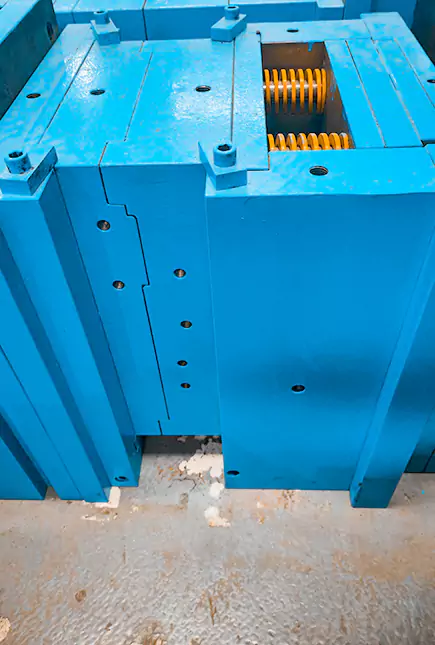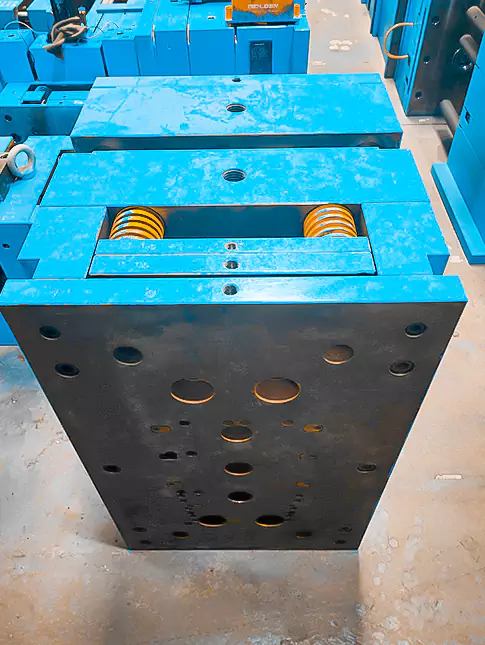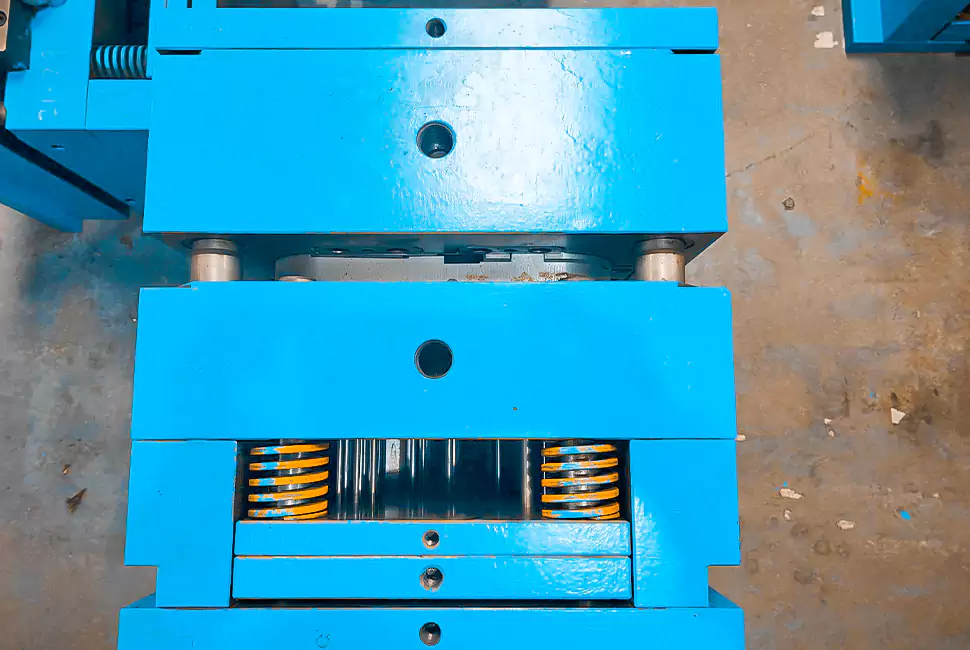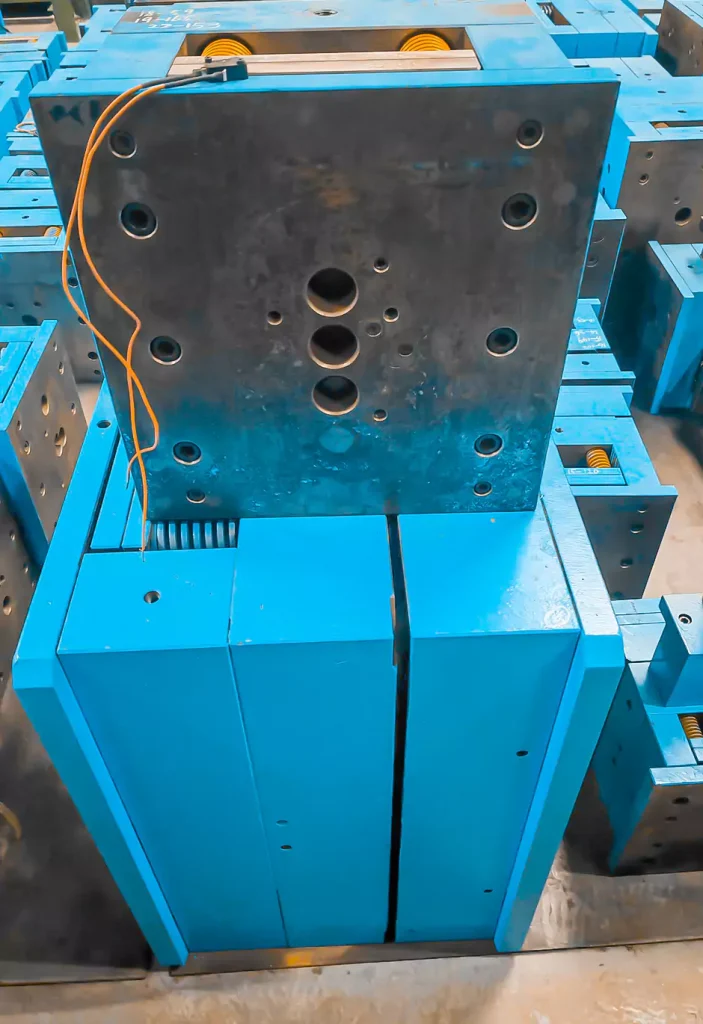



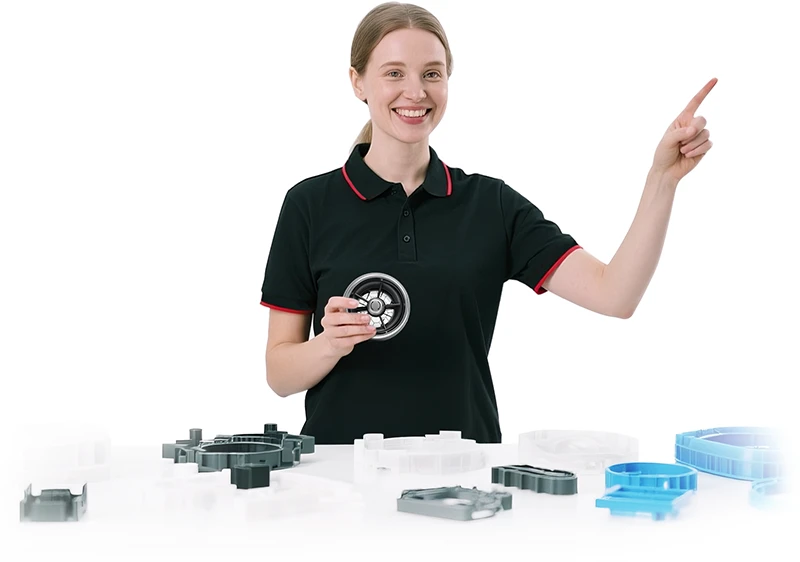
What Can Sanpin’s Rapid Tooling Bring To Your Design?
We always recommend our clients to entrust both rapid tooling development and rapid injection molding production to us. This integrated approach ensures 30%+ higher product yield by aligning mold design with plastic injection services.
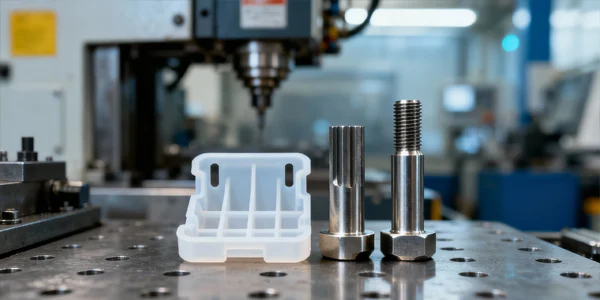
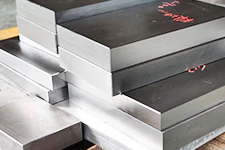
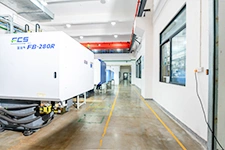
For clients with existing molding equipment, we also provide custom tooling-only solutions. With Sanpin’s in-house 5-axis CNC machines, EDM equipment, and mold fabrication workshops, the rapid molds we make will be your best choice.
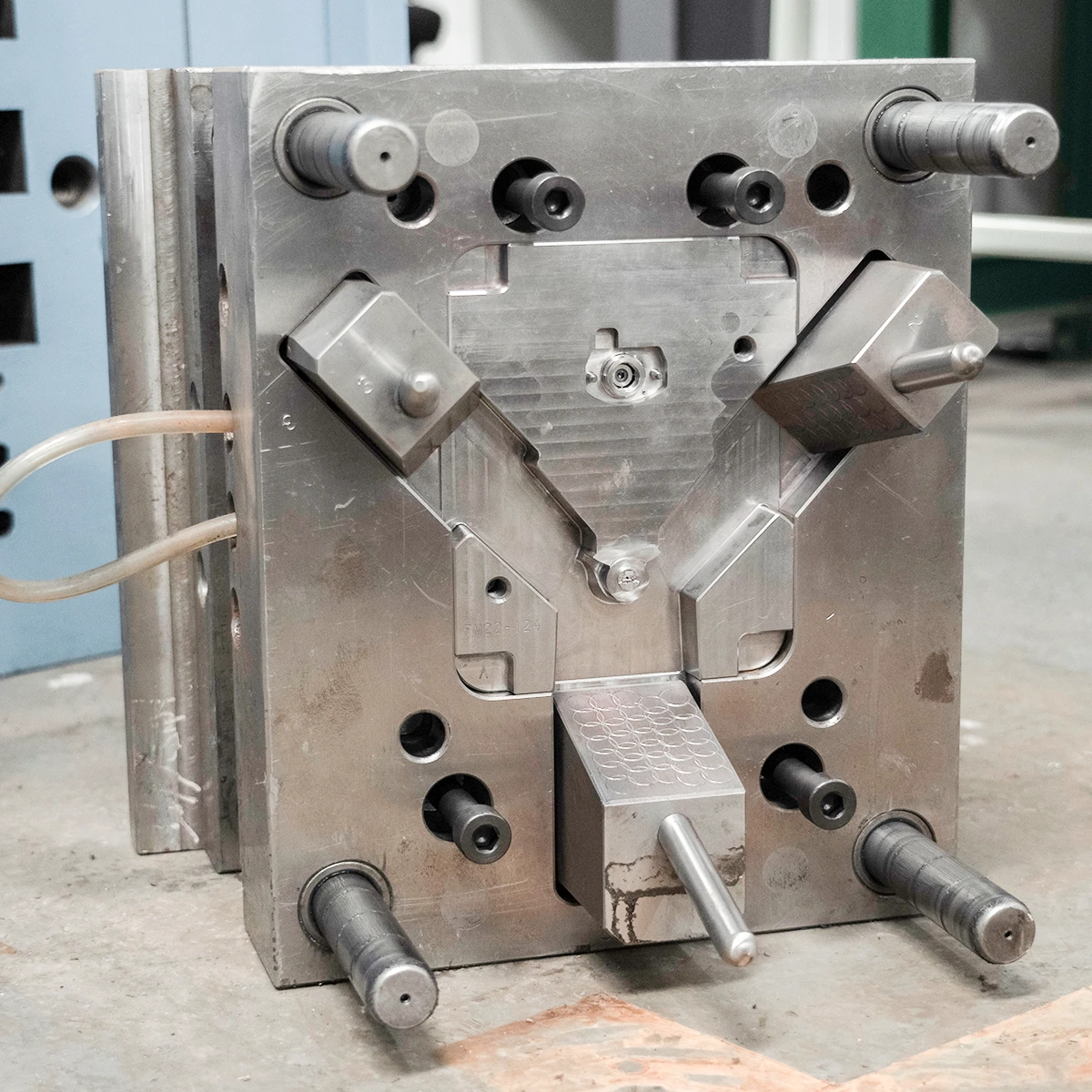
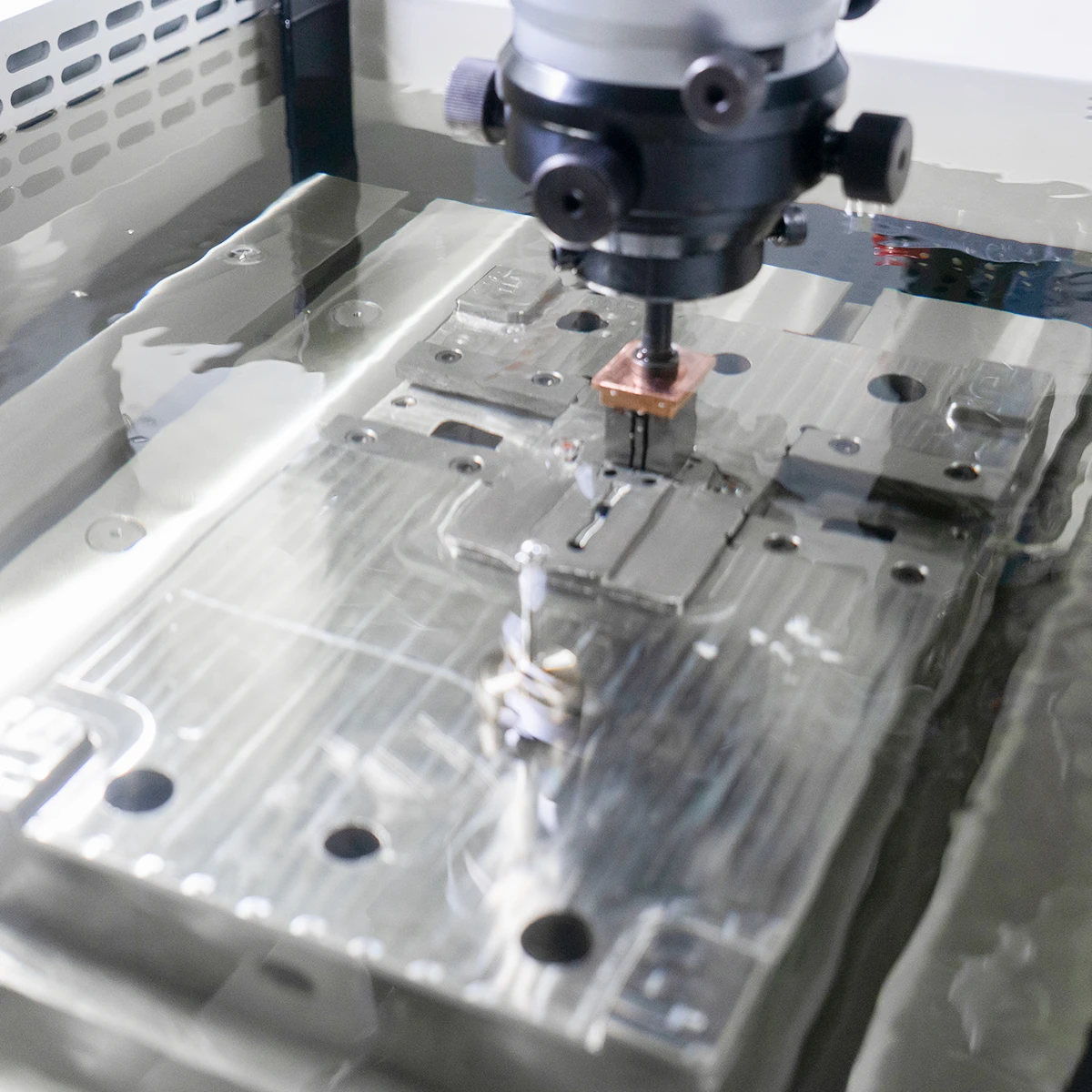
Full In-House Control, 0 Outsourcing Risks
- Advanced 5-axis CNC, EDM unit ensure 100% in-house production. No delays or errors from third-party vendors.
- Optimize mold design and molding parameters collaboratively. No finger-pointing between external suppliers.
Precision & Longevity, Both Enhanced
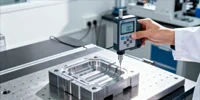
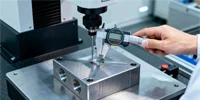
- 5-axis CNC machining paired with CMM inspection achieves industry-leading ±0.02mm precision
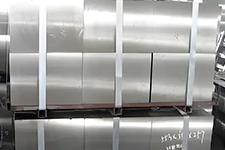
- Extend mold lifespan to 10,000+ cycles with TiN coatings or H13 tool steel.
Transparent Pricing, No Hidden Costs
- Cost based on mold complexity (sliders, ejector pins, etc.), offering 15%-20% savings versus competitors.
- Optimize designs upfront with Design for Manufacturability (DFM) reports to minimize revisions.
When To Choose Rapid Tooling: Rapid Tooling Vs. Production Tooling
Rapid tooling and production tooling are complementary solutions. Your choice should depend on product development stage, budget, and volume needs. Below is a concise comparison to guide your decision.
| Key Factor | Rapid Tooling | Production Tooling |
|---|---|---|
| Stage | Prototyping, low-volume batches, market testing | Mass production (10,000+ units) |
| Mold Cost | 1,000–20,000 | 20,000–100,000 |
| Lead Time | 5-28 days | 8-16 weeks |
| Mold Lifespan | 100-10,000 cycles | 100,000-1,000,000+ cycles |
| Design Flexibility | High (easy gate/cooling adjustments) | Low (costly modifications) |
Typical Scenarios for Rapid Tooling:
- Testing a New Product: Test 50-500 functional prototypes within 3 weeks.
- Frequent Design Changes: Frequent adjustments (e.g., consumer electronics upgrades).
- Avoid Overstock: Produce 1,000-5,000 units to avoid overstock risks.
Typical Scenarios for Production Tooling:
- Mass production: Scale to 100,000+ units for cost efficiency.
- High precision/durability: Automotive parts or medical device molds requiring extreme longevity.
- Long-term demand: Stable orders lasting 3+ years (e.g., appliance components).
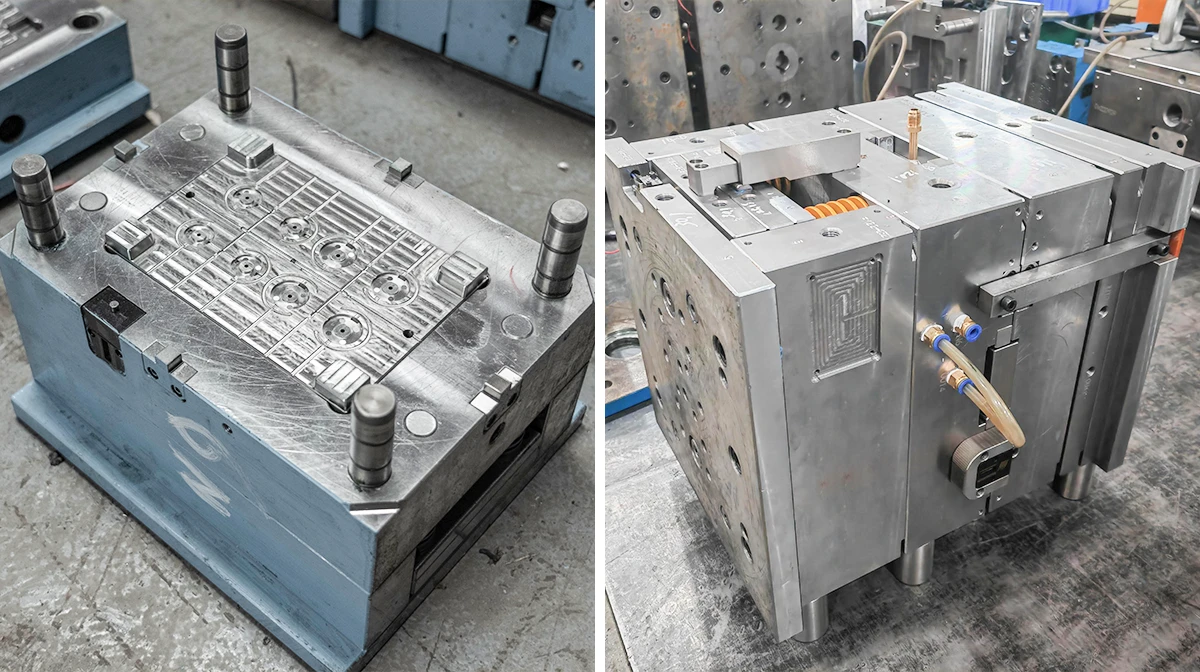
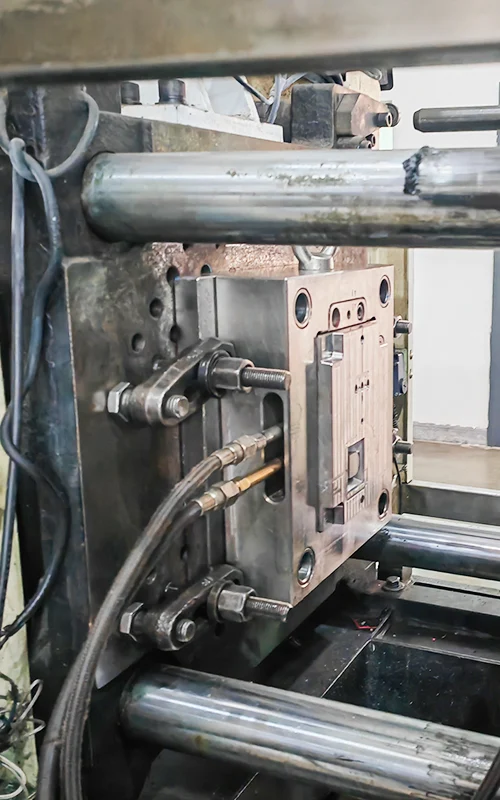
A Good Rapid Tooling Can Accept Multiple Verifications
One
Verifications on structural design rationality
Two
Verifications and tests on strength of the parts
Three
Tests on production tooling structural design
Four
Verifications on selected materials performance
Five
Verifications on stability of mass production
Six
Other requirements before mass production
Rapid Tooling Manufacturing Process
Through 4 steps, you can obtain a high-quality prototype tooling.

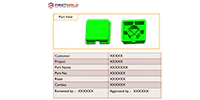
1. 3D Model Upload & DFM Review
Upload your 3D design file. Our engineers deliver a DFM report within 48 hours. They will flag issues like uneven wall thickness or insufficient draft angles.
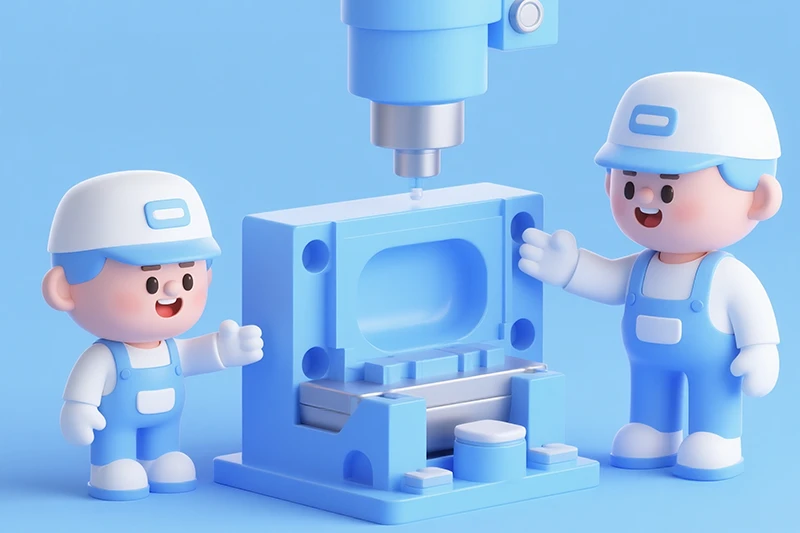
2. Mold Design & CNC/EDM Machining
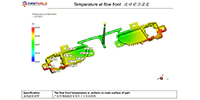
Customize mold structure (parting lines, gates, cooling channels). 5-axis CNC machines and EDMs will produce core/cavity in 3-7 days with ±0.03mm precision.
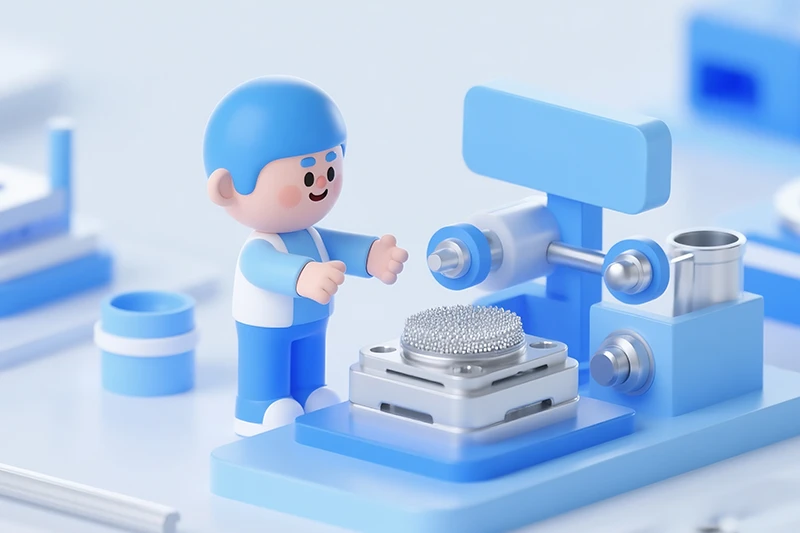
3. Surface Polishing & Assembly
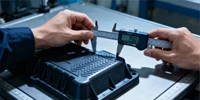
Polish surfaces (mirror or texture finishes), deburr parts, and assemble molds in workshops. Critical dimensions are verified using CMM with ≤0.02mm tolerance.
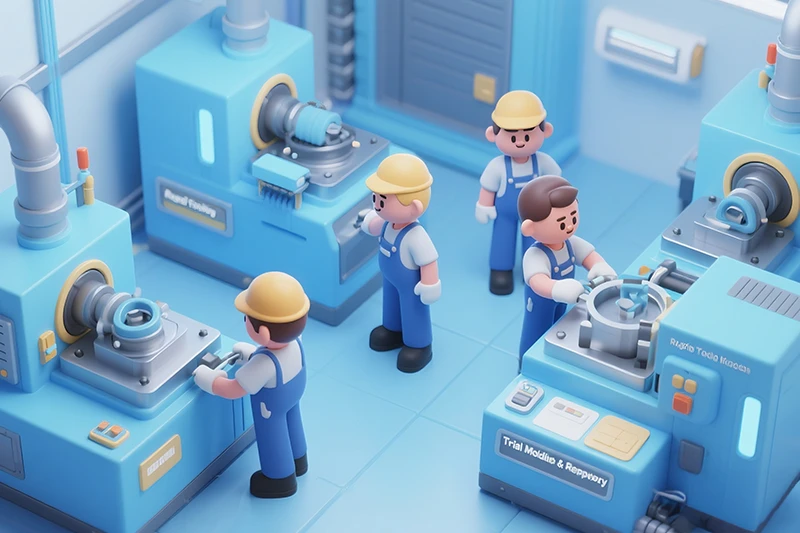
4. Trial Molding & Report Delivery
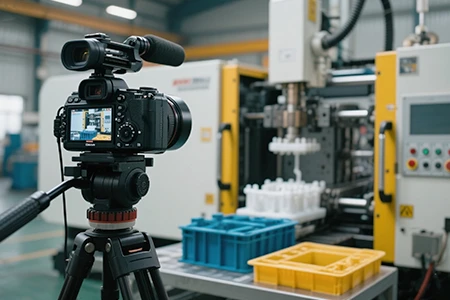
Run 5-10 test shots on our injection molding machines. Clients receive a Trial Report with defect analysis, parameter adjustments, and improvement plans.
Materials For Rapid Injection Molding: What We Can Produce
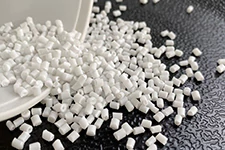
Rapid injection molding relies on molds produced via rapid tooling technologies. This seamless process allows fast material testing and low-volume production.
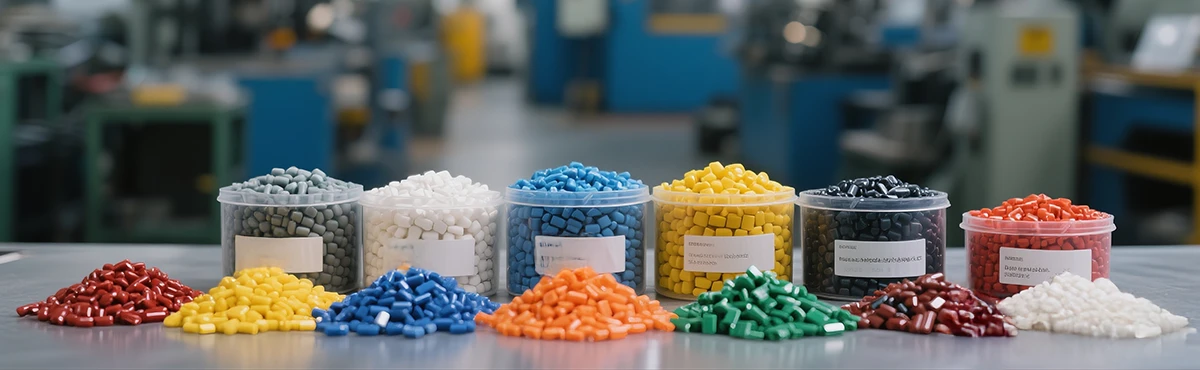
- ABS: Durable housings (e.g., smartwatch cases).
- PP: Hinges, food containers.
- TPU: Soft grips (e.g., headphone ear pads).
- PC: Transparent covers (e.g., LED diffusers).
- POM: Gears, sliding parts.
- PEEK: Aerospace valves, chemical seals.
- Nylon: Functional prototypes (e.g., drone arms).
- PEI: Medical sterilizable trays.
- PA: Gears, bearings, structural parts
- PMMA: Light guides, lenses, displays
- PS: Disposable cutlery, labware
The Application Scenarios Of Rapid Tooling
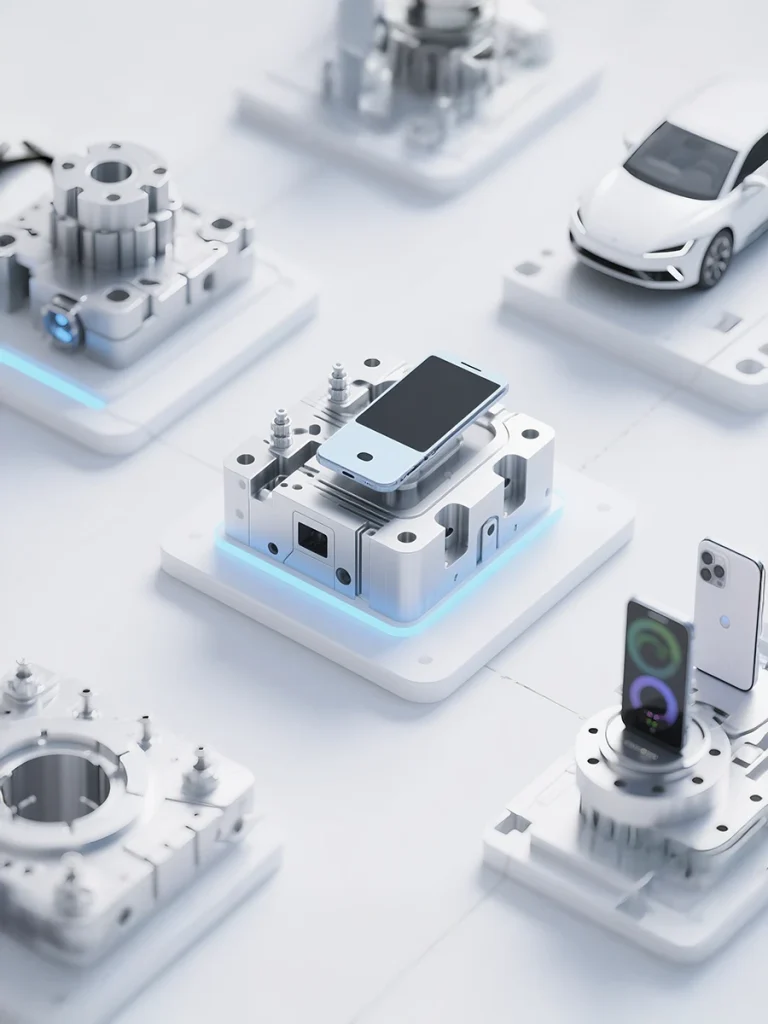
Electronics Industry
Case:
- Client Needs: Deliver 500 test units in 3 weeks, budget under $6000.
- Solution: Aluminum tooling (cost: $4000) + fast-cycle molding.
- Results: Shipped in 18 days, 98% defect-free rate, saved 30% on tooling costs.
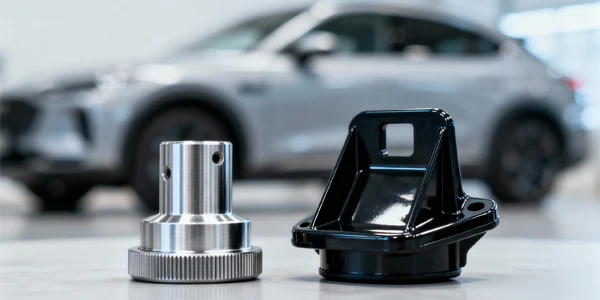
Auto Components
Case:
- Pain Point: Product launch was in 8 weeks.
- Solution: Additive manufacturing tooling + small-batch production.
- Results: Completed design-to-assembly in 6 weeks, 75% cheaper than hardened steel molds.
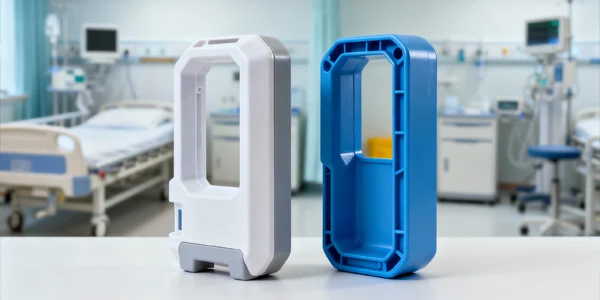
Healthcare Equipment
Case:
- Critical Requirements: ±0.05mm tolerance, medical-grade PC material.
- Solution: Hardened steel tooling (H13) + precision CNC machining.
- Results: 100% first-article approval, 100,000+ injection cycles lifespan.
Industrial Machinery
Case:
- Challenge: Thin-wall design (0.8mm) caused warping; 3 failed trials with standard tooling.
- Solution: Optimized cooling channel layout + 5 trial runs for parameter tuning.
- Results: Mass production yield jumped from 70% to 95%.
Rapid Tooling Case Gallery