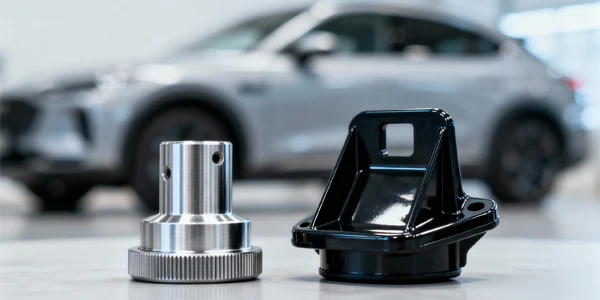
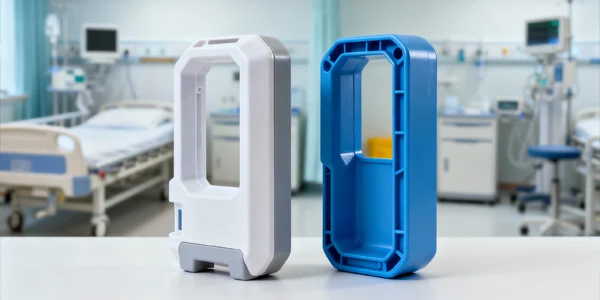
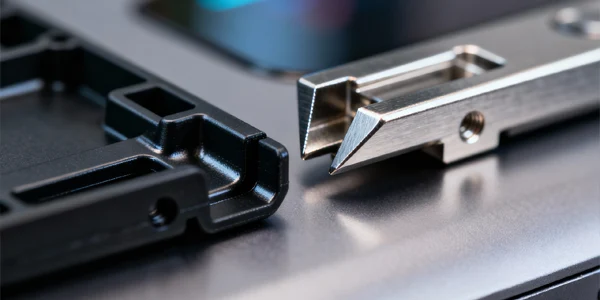
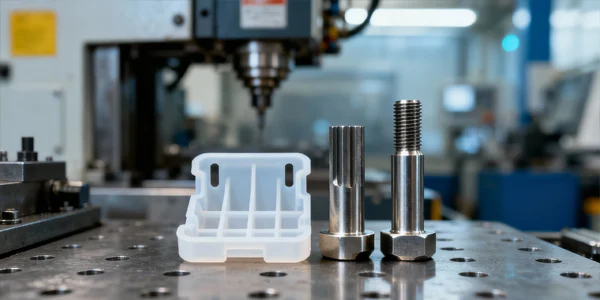
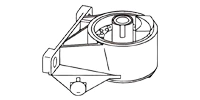
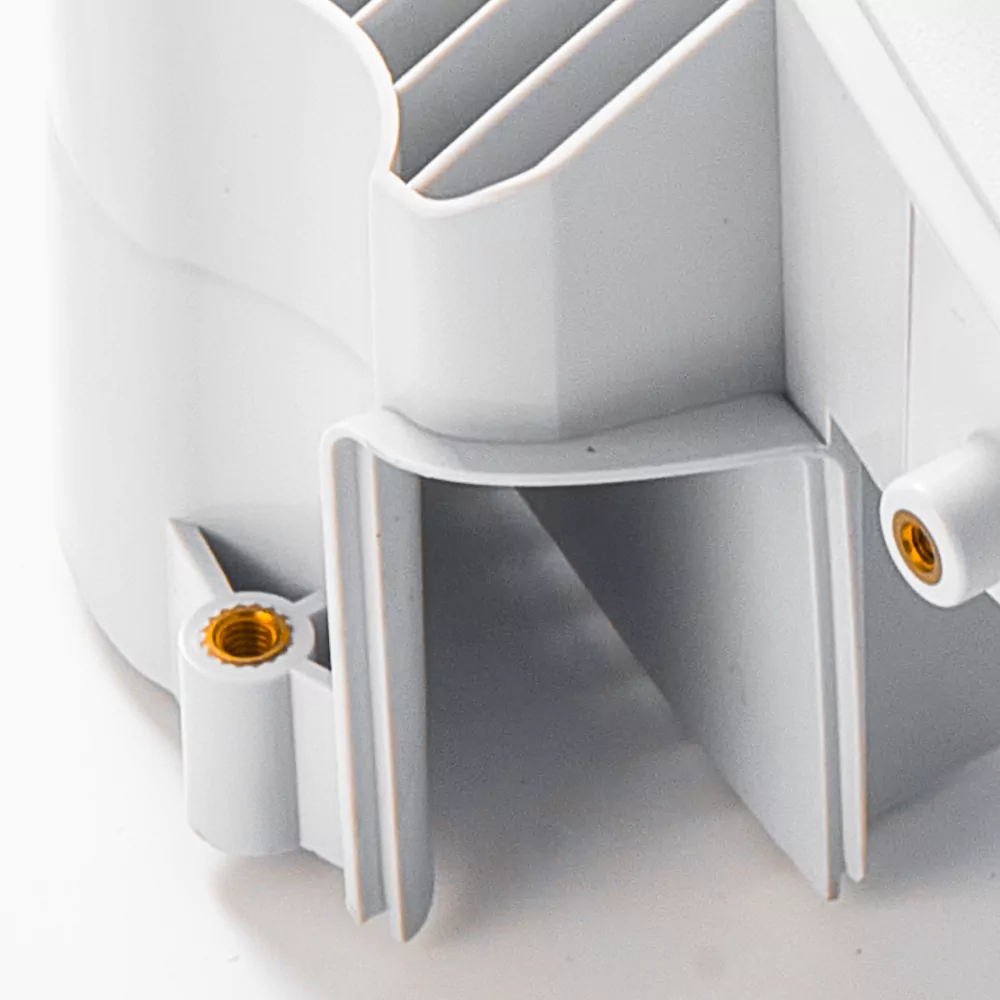
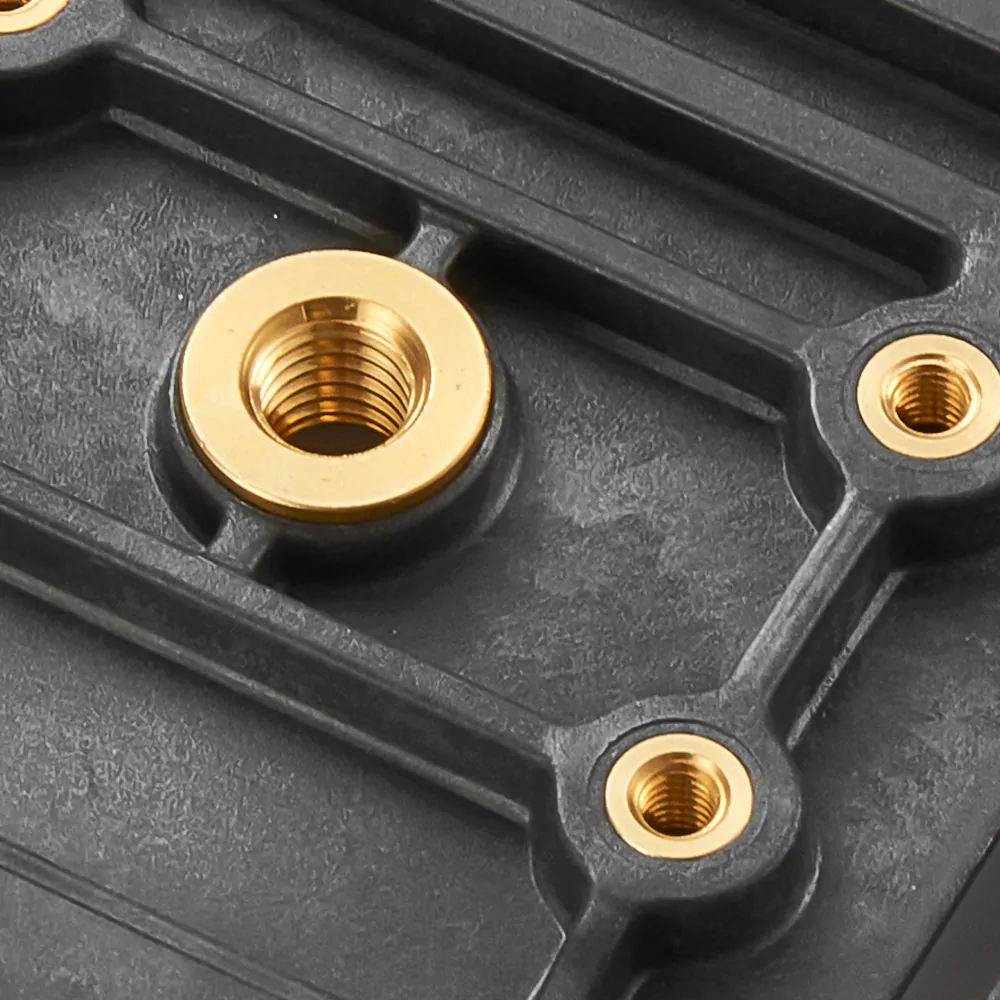
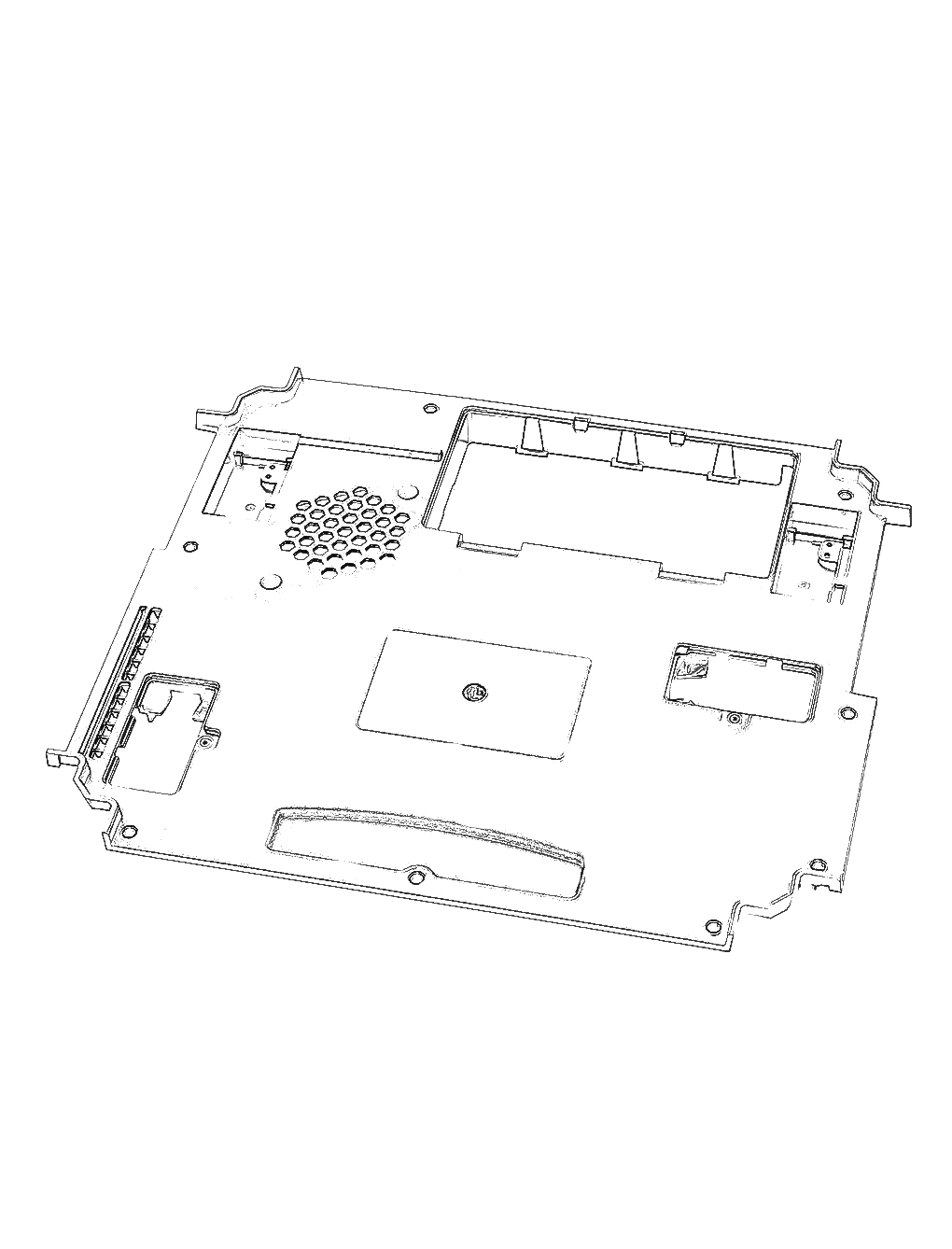
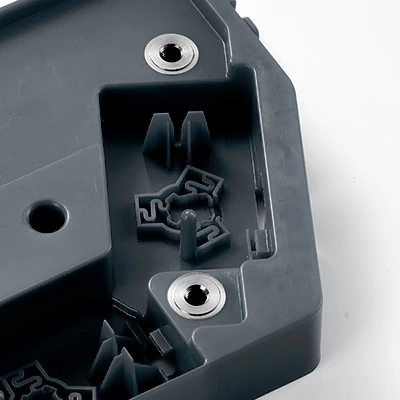
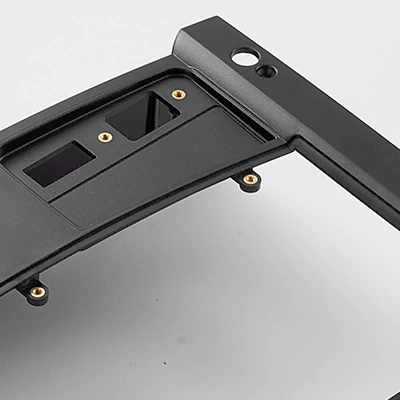
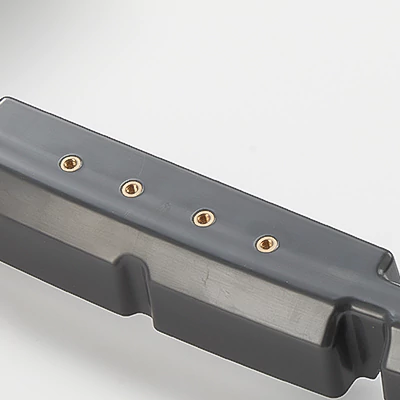
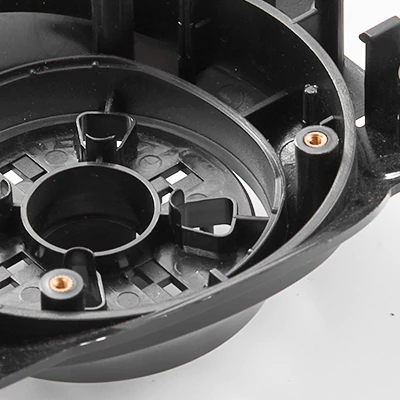
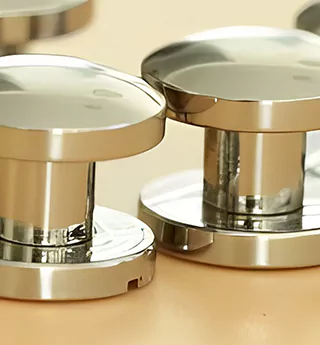
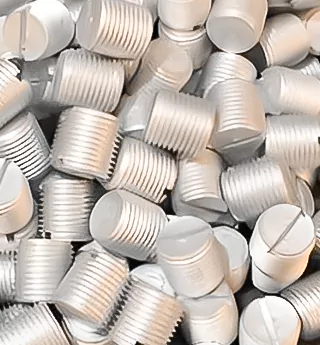
Insert molding part Insert molding product

Metal Inserts

Custom Insert Molding Services for Metal-Plastic Integration

Sanpin's insert molding service combines metal components with plastic in a single injection cycle, delivering parts with superior bond strength and dimensional accuracy. With 18 years of experience in mold design and manufacturing, we specialize in metal insert molding for applications where secondary assembly is impractical or where enhanced structural integrity is required. Our engineering team performs thermal expansion analysis and material compatibility assessments for every project to ensure reliable insert retention and long-term part performance.

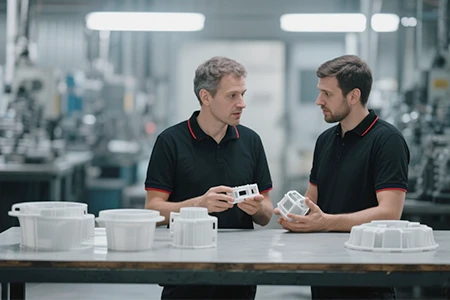
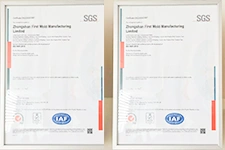
Operating from a 24,000 m² facility with 280+ professionals, Sanpin supports insert injection molding projects from initial DFM review through fullscale production. Our capabilities include precision CNC-machined mold cavities with tight-tolerance insert pockets, automated or manual insert placement, and real-time process monitoring — all under ISO 9001 and IATF 16949 certified quality systems. Industries we serve include automotive,medical devices, consumer electronics, and home appliances.

  • Threaded Inserts
  • Pin Inserts
  • Electrical Contacts
  • Bushing Inserts
  • Fastener Inserts
  • Custom Metal Inserts
Applications

Insert Molding Applications Across Key Industries

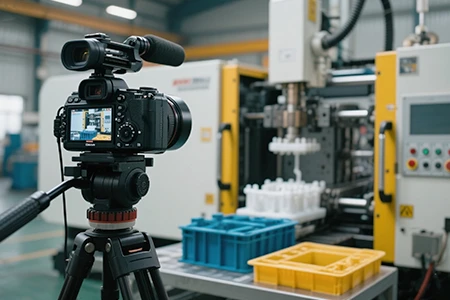
Insert injection molding is widely adopted in industries that demand strong mechanical bonding between metal and plastic components. At Sanpin, we apply this process to produce parts where durability, dimensional stability, and streamlined assembly are critical. Typical projects include automotive interior housings with embedded threaded fasteners, medical device enclosures requiring secure electrical contacts, and consumer electronic components that integrate metal shielding or structural reinforcements within plastic bodies. Each application is supported by our in-house mold design, precision CNC tooling, and process optimization — ensuring that insert placement, material flow, and cycle efficiency are tailored to the specific requirements of your product.

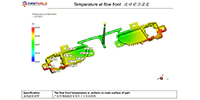
Insert molding schematic

Automotive

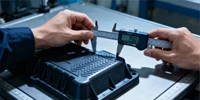
Automotive insert molding

Medical

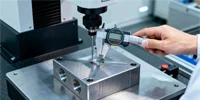
Medical insert molding

Consumer Electronics

Aviation insert molding

Home Appliances

Consumer goods insert molding

Reduce Assembly Steps With One-Shot Insert Molding

Get a Free Quote Now
Insert molding materials

How to Choose the Right Materials for Insert Molding

A successful insert molding project depends on pairing the right plastic resin with a compatible insert material. The plastic must maintain structural integrity around the insert, while the insert — whether metal, ceramic, or another substrate — needs to withstand injection temperatures and bond reliably within the molded body. At Sanpin, our engineers evaluate shrinkage rates, thermal expansion differences, and mechanical load conditions to recommend the optimal material combination for each application.

Main Materials

Choose the main material for your injection molding product

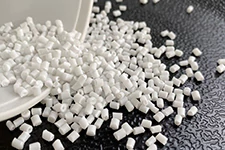
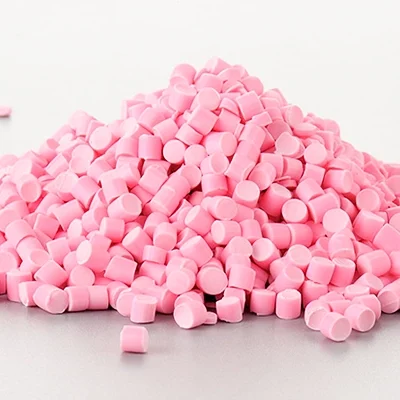
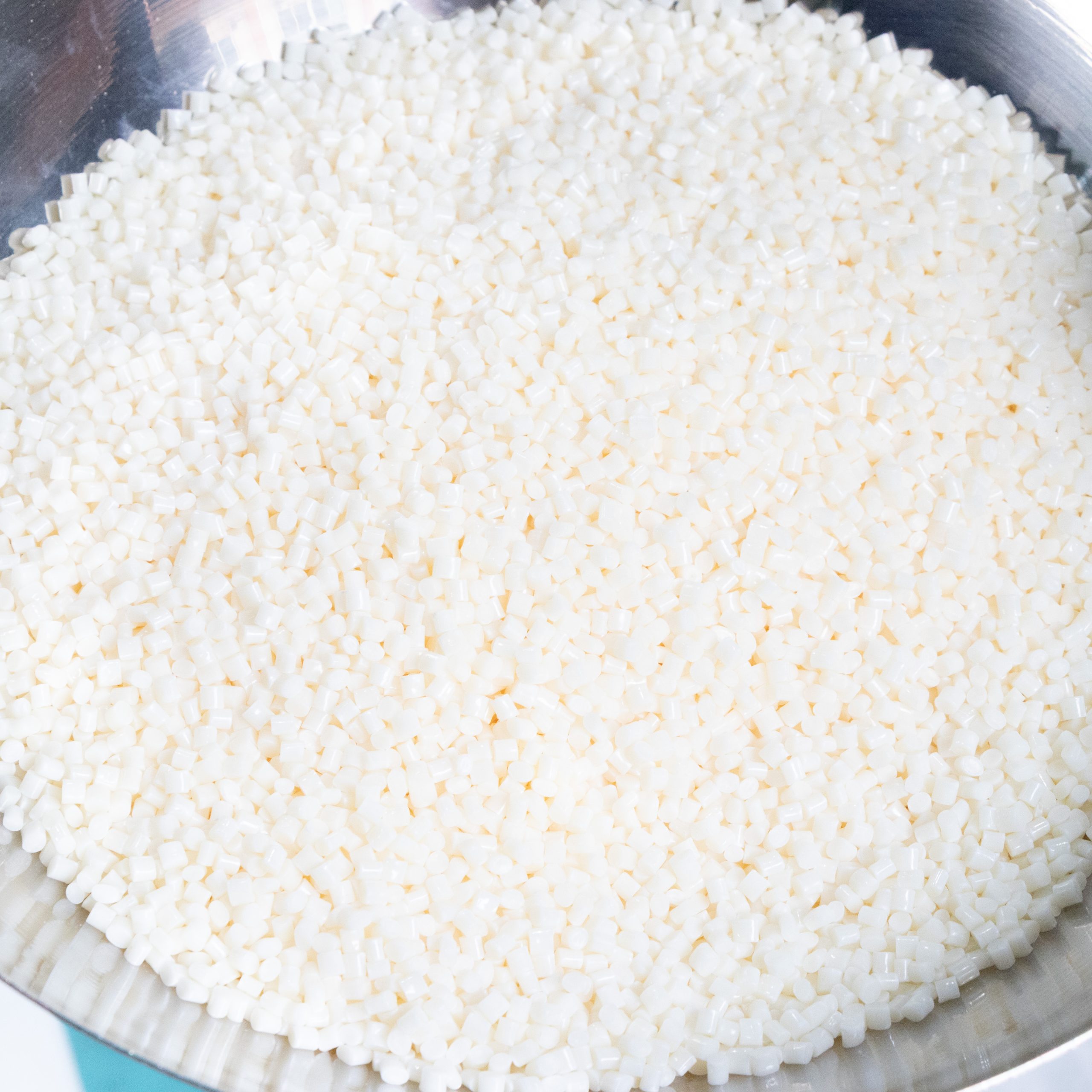
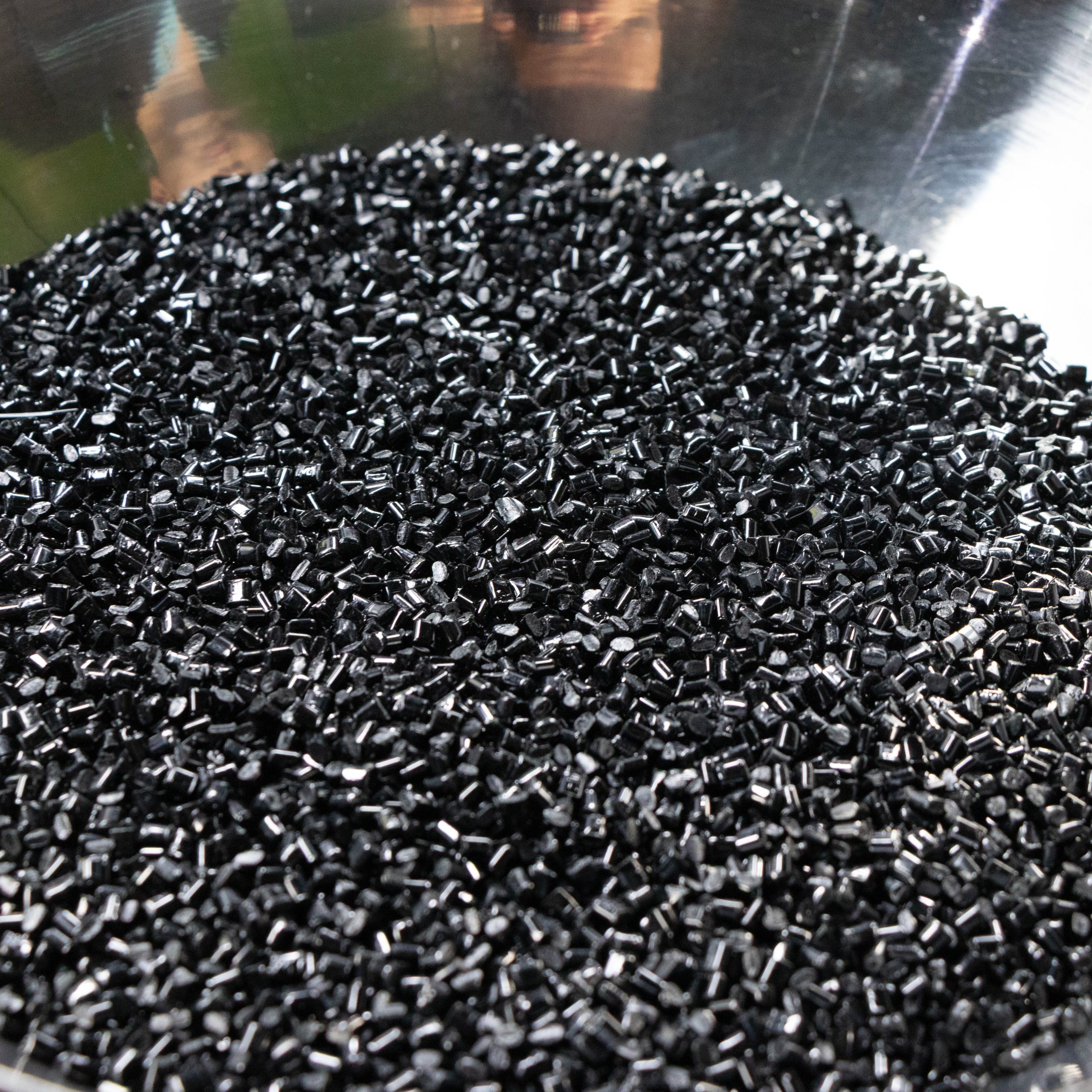
We are well-versed in hundreds of plastics or other materials for injection molding, including single materials, mixed materials, modified materials, rubbers, etc. We are familiar with their physical properties, chemical properties, and all parameters.

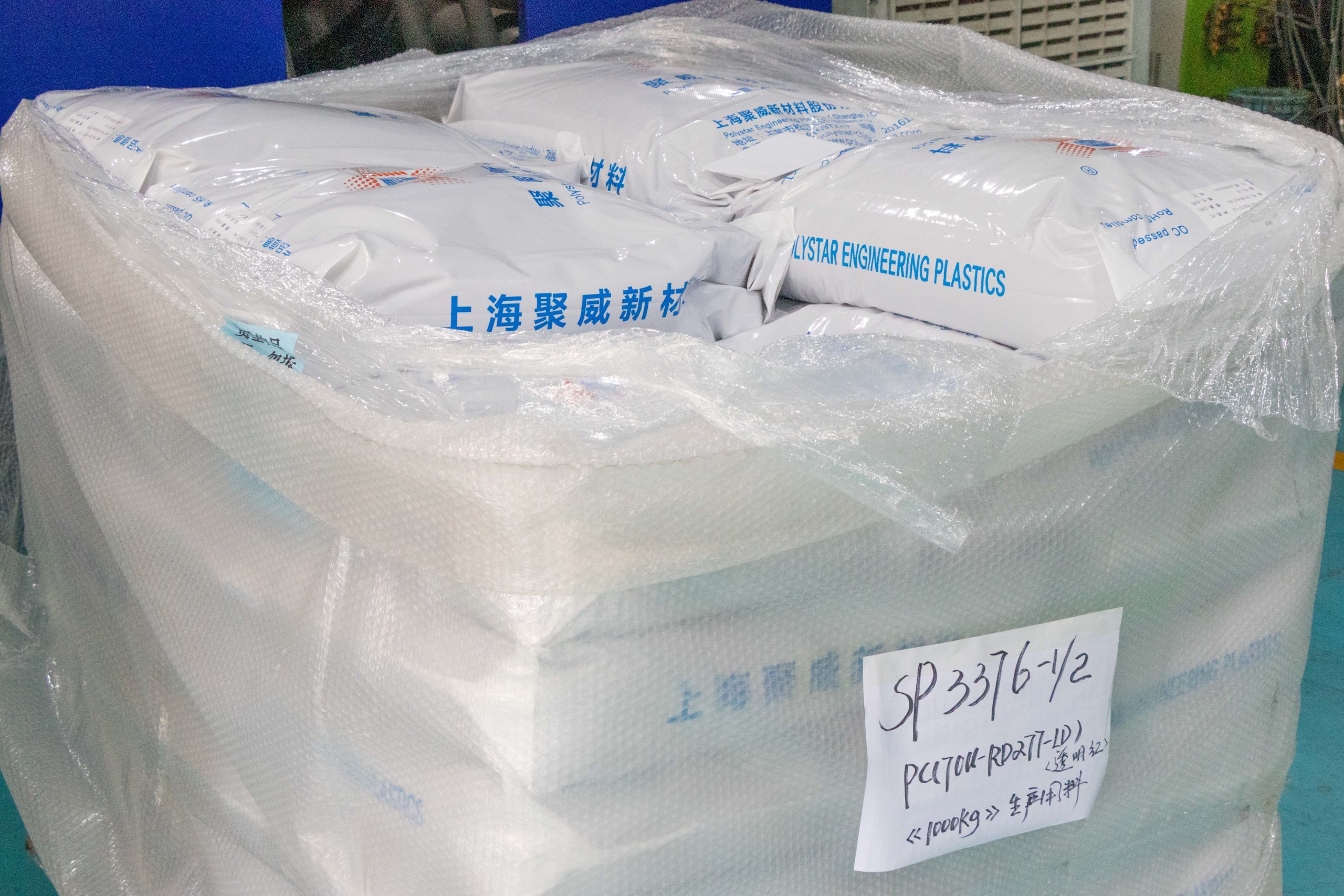
Also, because of the strength of our supply chain system, we can obtain these raw materials in a timely and stable manner without any impact on your product delivery.

Material 1 Material 2 Material 3
Main materials
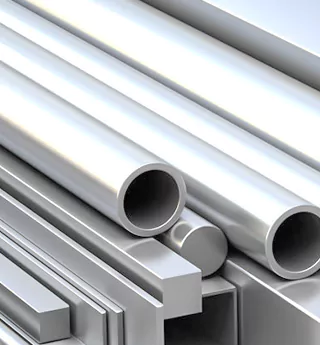
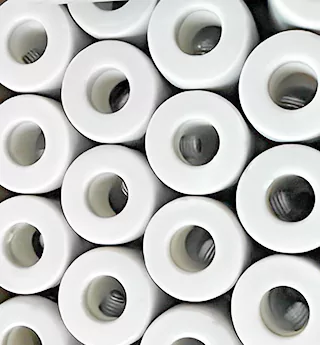
Brass

Brass

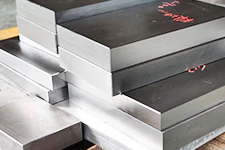
Aluminum

Aluminum

Steel

Steel

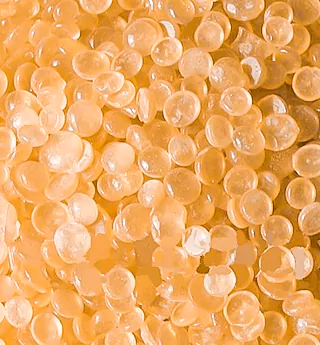
Plastic

Plastic

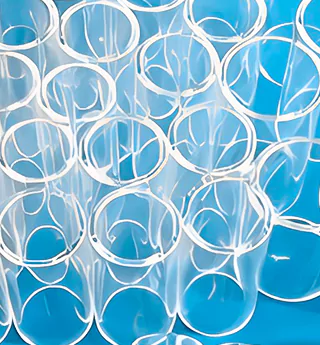
Ceramic

Ceramic

Glass

Glass

Inserted Materials

Insert Materials We Work With

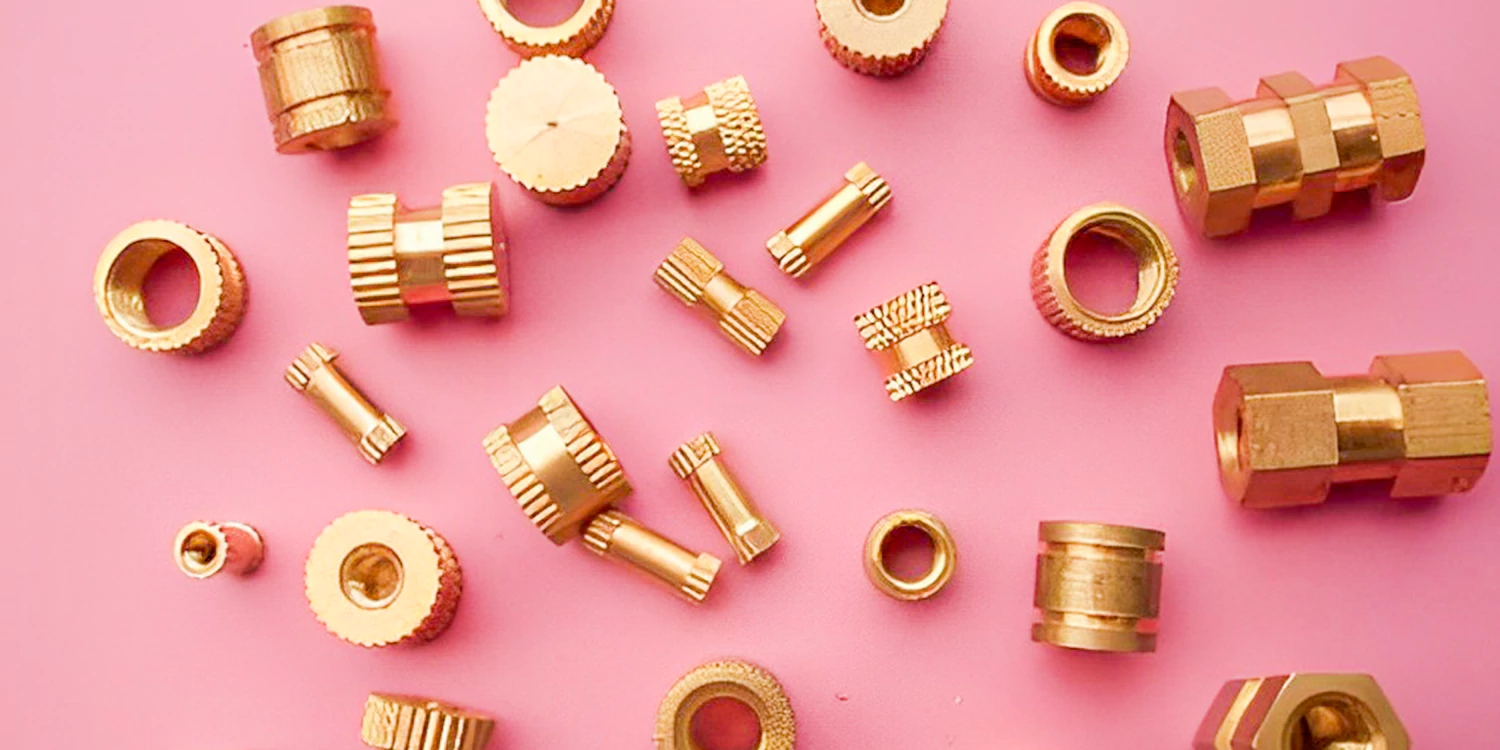
Brass is the most widely used insert material in injection molding due to its excellent corrosion resistance, low friction during installation, and cost-effective machinability. It is particularly well suited for threaded inserts, bushings, and electrical contact points where long-term reliability is critical.

Beyond brass, Sanpin also processes inserts made from aluminum, stainless steel, and engineering plastics — selected based on the functional demands of each application. Our mold engineers account for the thermal expansion coefficient of each insert material relative to the surrounding resin, designing cavity geometry, and gate placement to ensure uniform encapsulation and secure mechanical retention.