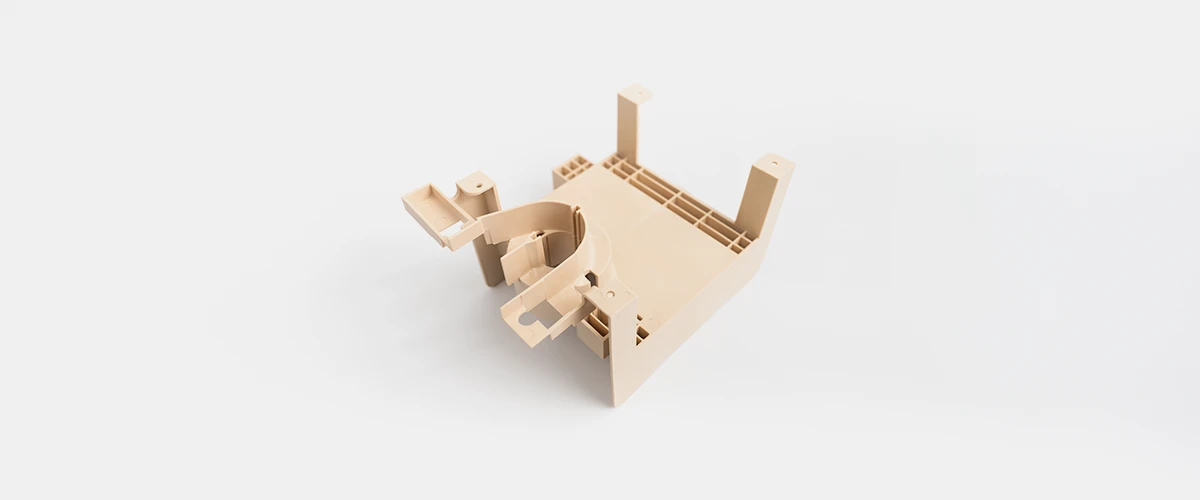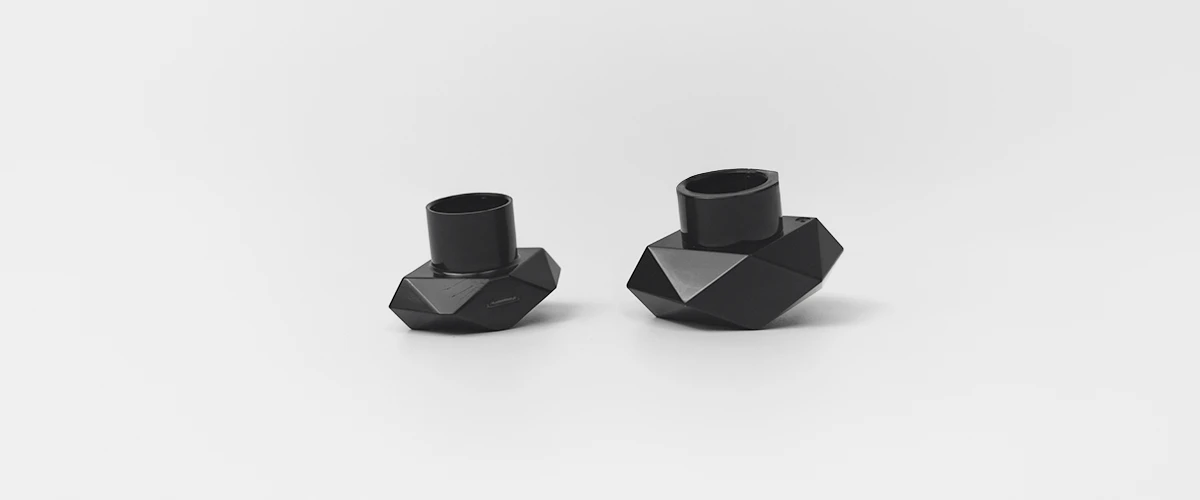
Precision Injection Molding for High-Performance Applications

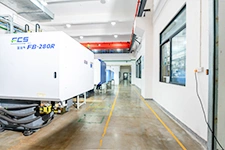
Sanpin provides precision thermoplastic injection molding for components that demand tight dimensional control and consistent surface quality. With molding tolerances of ±0.02 mm and press capacity ranging from 50T to 1,300T, our Shenzhen facility operates around the clock to meet demanding production schedules. Combined with our in-house mold design and manufacturing capabilities, we control the full production chain — enabling faster mold-to-part transitions, shorter lead times, and reliable batch-to-batch consistency for the automotive, medical, home appliance, and consumer electronics industries.
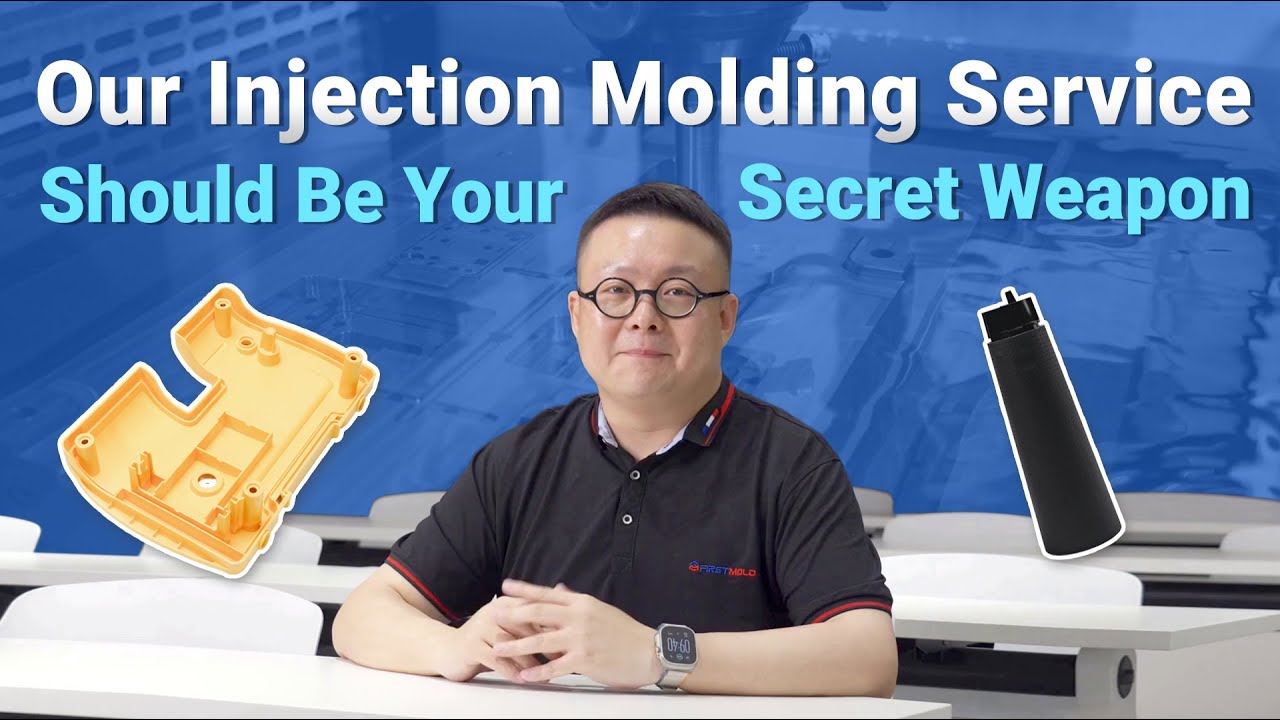
Our Injection Molding Service Should Be Your Secret Weapon

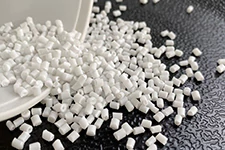
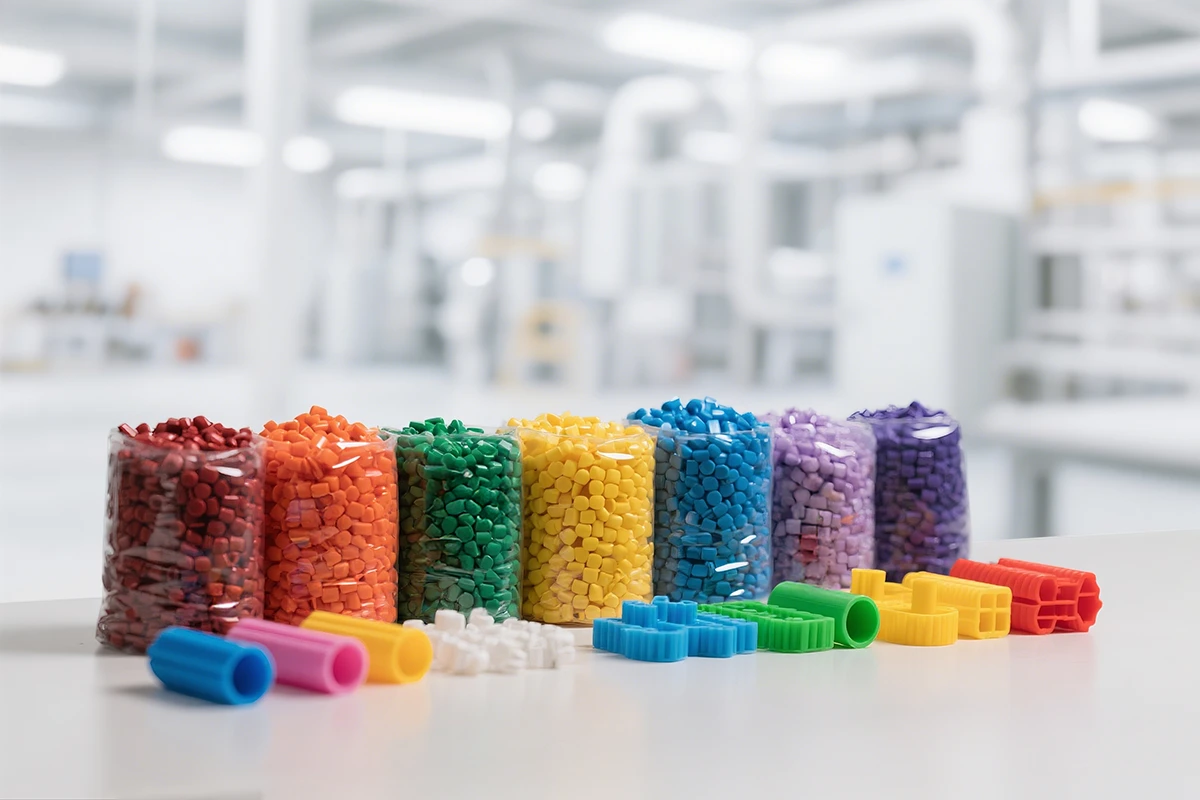
Sanpin's injection molding services focus on engineering thermoplastics, including ABS, PC, PA, POM, PP, PBT, and high-performance resins such as PPS and PEEK.

45,000,000 +

Monthly Parts Capacity

50 +

Monthly Molds Fabrication

± 0.0254 mm

Precision Mold Tolerance

± 0.05 mm T

Precision Molding Tolerance

Industry-Specific Mold Engineering

Every industry has its own quality standards, material challenges, and production demands. Sanpin's 18 years of tooling experience across multiple sectors means your project team works with engineers who already understand your industry's requirements — reducing design iterations and speeding up time to production.

Automotive

Automotive

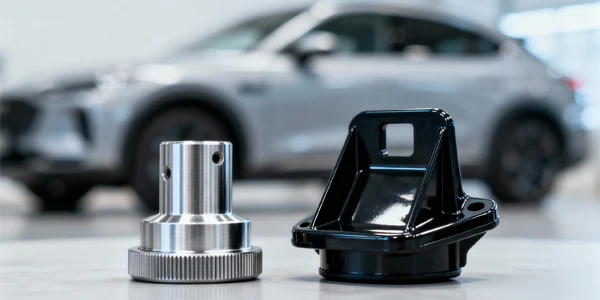
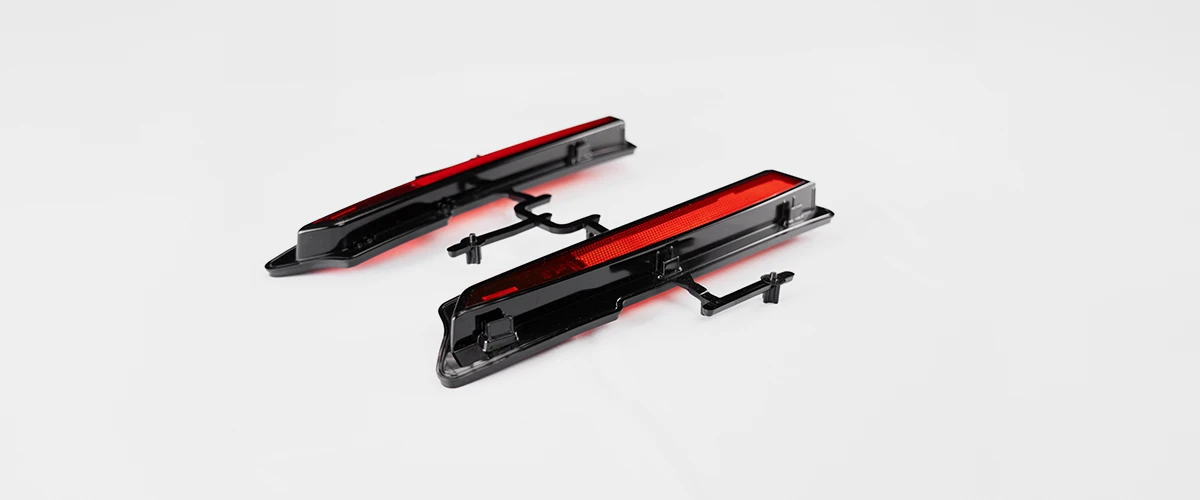
IATF 16949 certified. We build molds for door panels, center consoles, bumper grilles, lighting housings, and powertrain components.Our core strength is 2K/3K multi-shot molds for automotive lighting and interior trim — a capability that sets us apart from most singlematerial mold makers. Annual output: 500 to 600 mold sets.
Medical

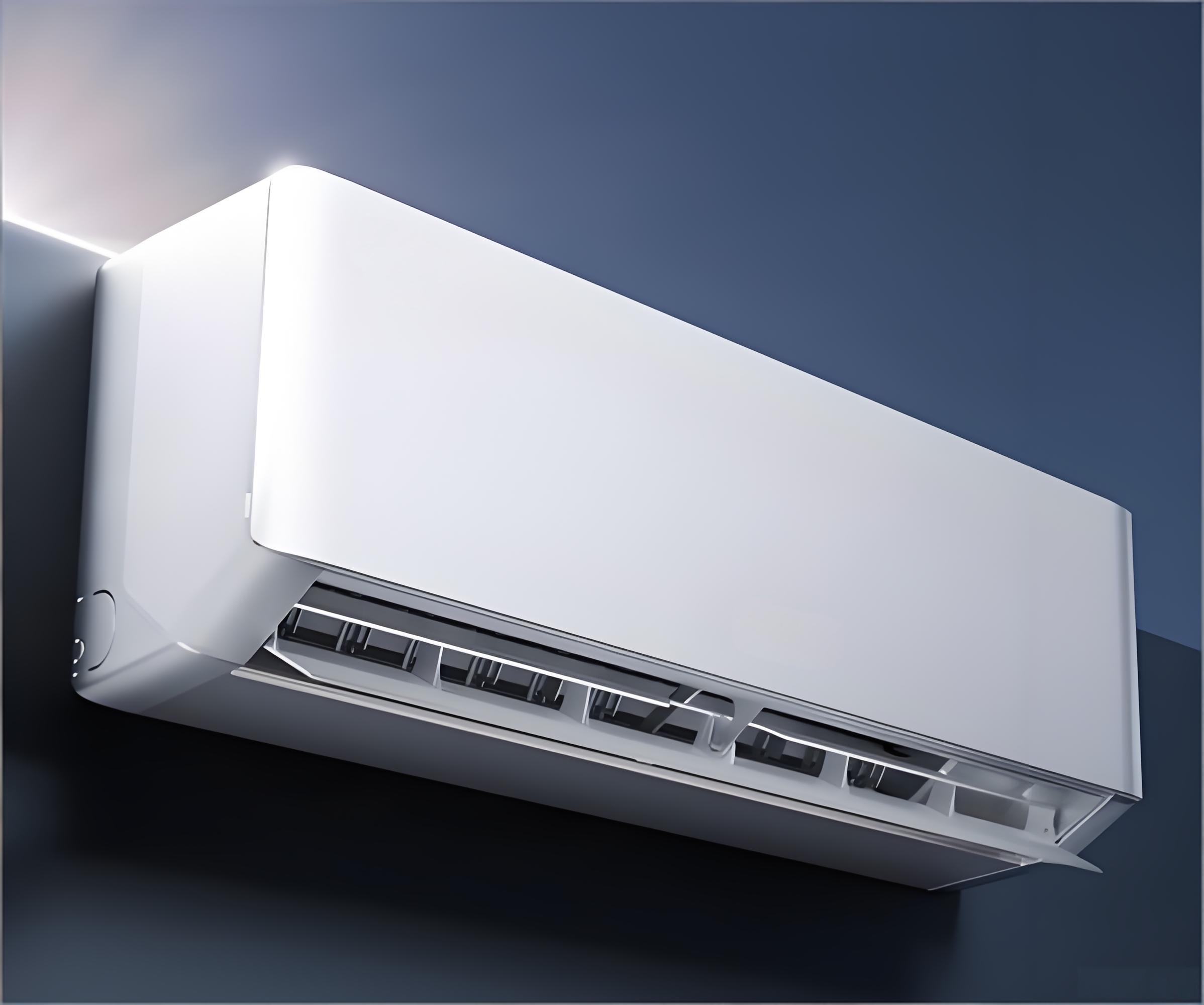
Home Appliances

AC panels, washer control panels, refrigerator assemblies, and small appliance housings. We handle large-format molds up to 2,500 mm with consistent surface texturing and dimensional control across high-volume production cycles.
Tools & Equipment

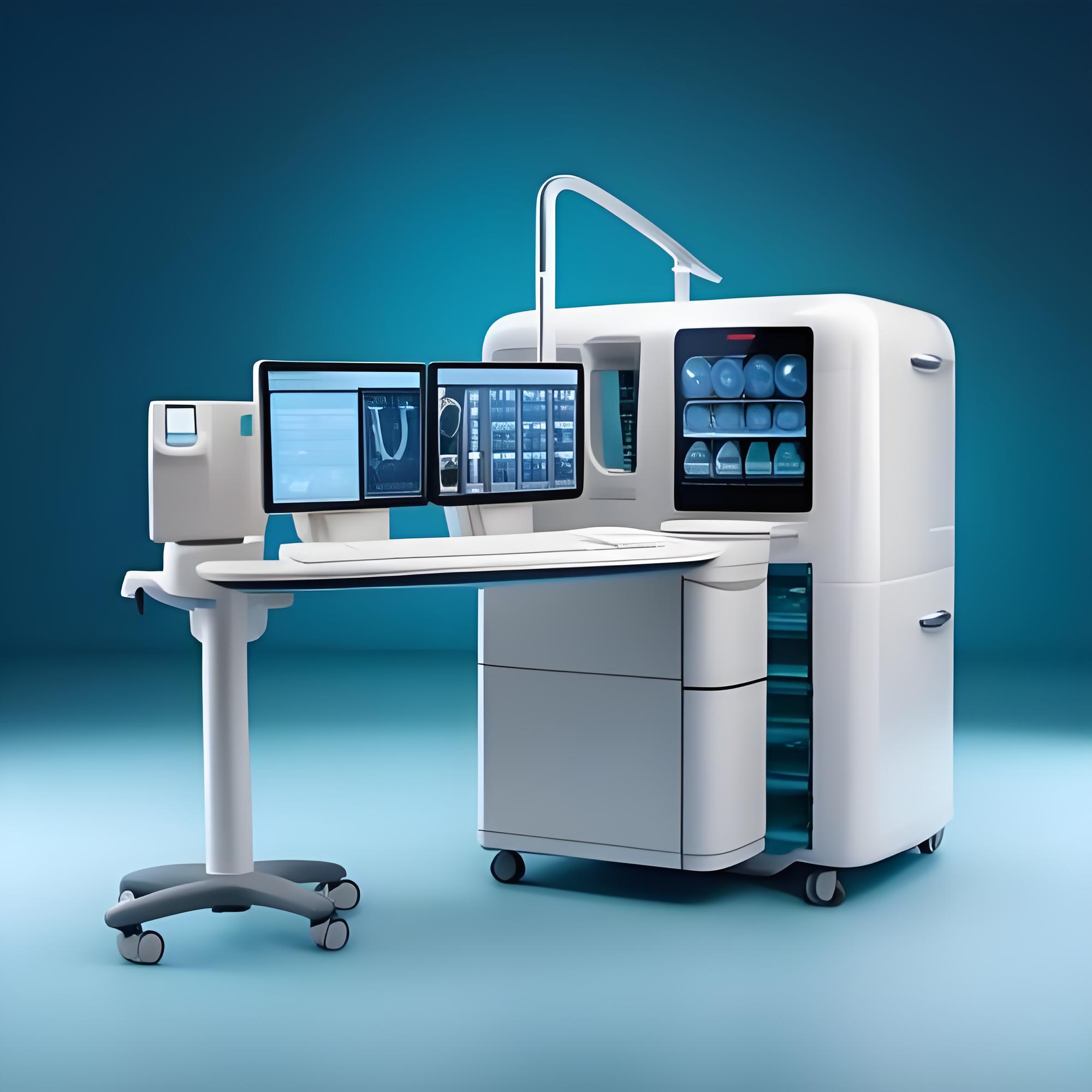
Medical Devices

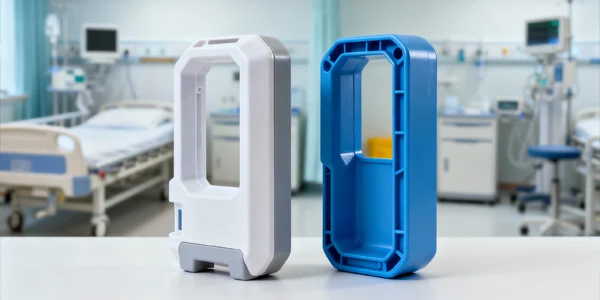
ISO 13485 certified with dedicated cleanroom injection molding capability established in 2019. We produce molds for diagnostic housings, device structural parts, and disposable medical components under strict contamination control and full material traceability.

Consumer Electronics

Consumer Electronics

Charger housings, wearable device parts, precision connectors, and optical-grade components. Mold tolerances down to ±0.02 mm with mirror-polished or high-gloss textured finishes for products where appearance is critical.

Discuss Your Project With Our Engineers

From Mold Design to Production — All Under One Roof

Get Your Free Quote

Injection Molding Materials

There are over 200 common injection molding materials. It includes general-purpose plastics, engineering plastics, and high-performance materials.

Modified materials are optimized from base materials by adding fibers, flame retardants, or adjusting molecular structures. Globally, there are over 18,000 commercial modified materials to meet performance requirements in different scenarios.

Tips: For product designers: Read our plastic material selection in medical industry.
Injection Molding Materials

Injection Molding Cases

Other Injection Molding Case Displays

Case 1
Audio System Parts Manufacturing
Case 2
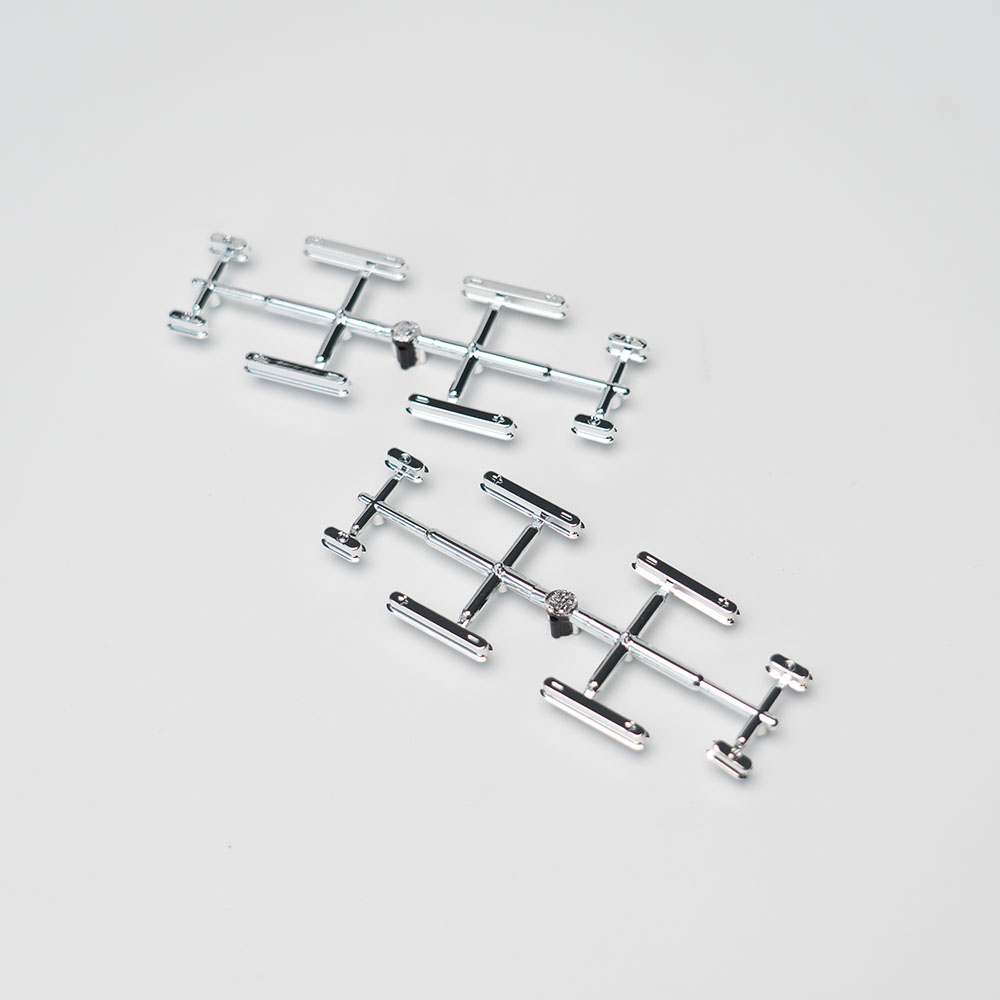
Mass Production of Small Button Parts
Case 3
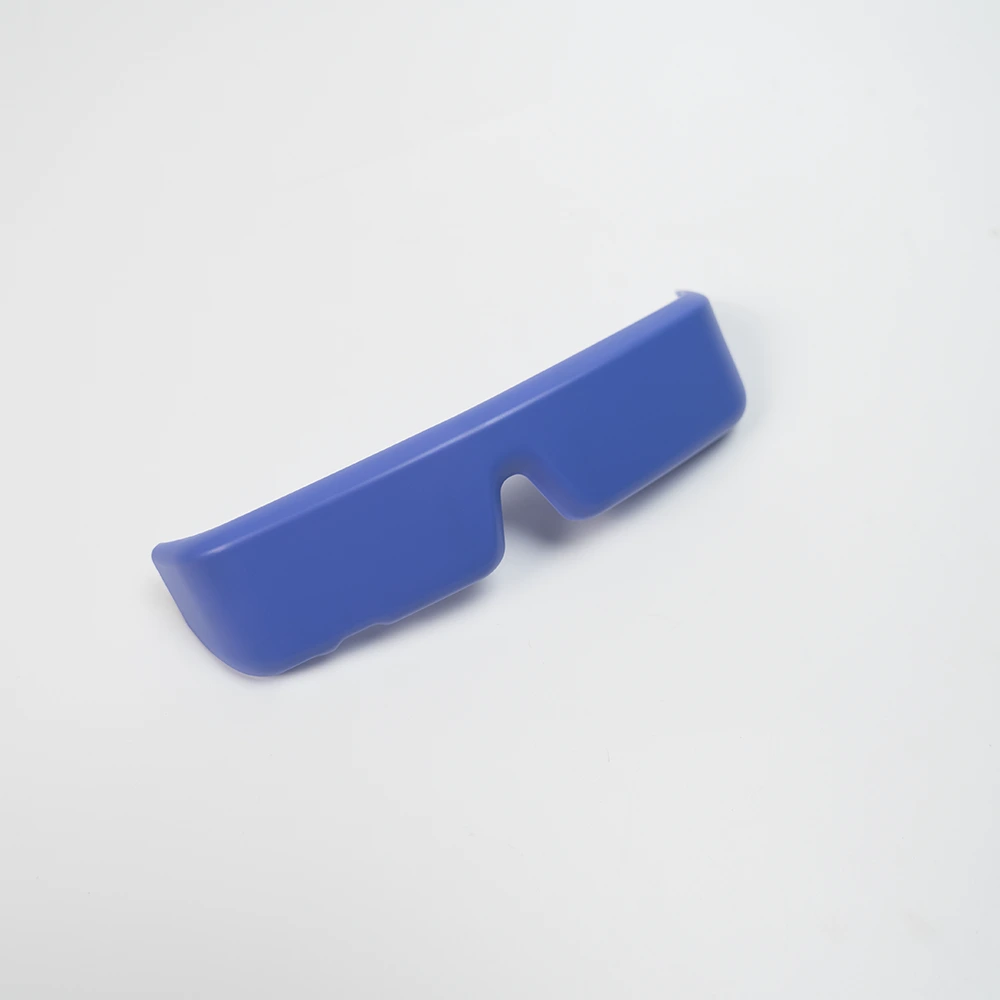
VR Headset Front Cover Injection Molding
Case 4
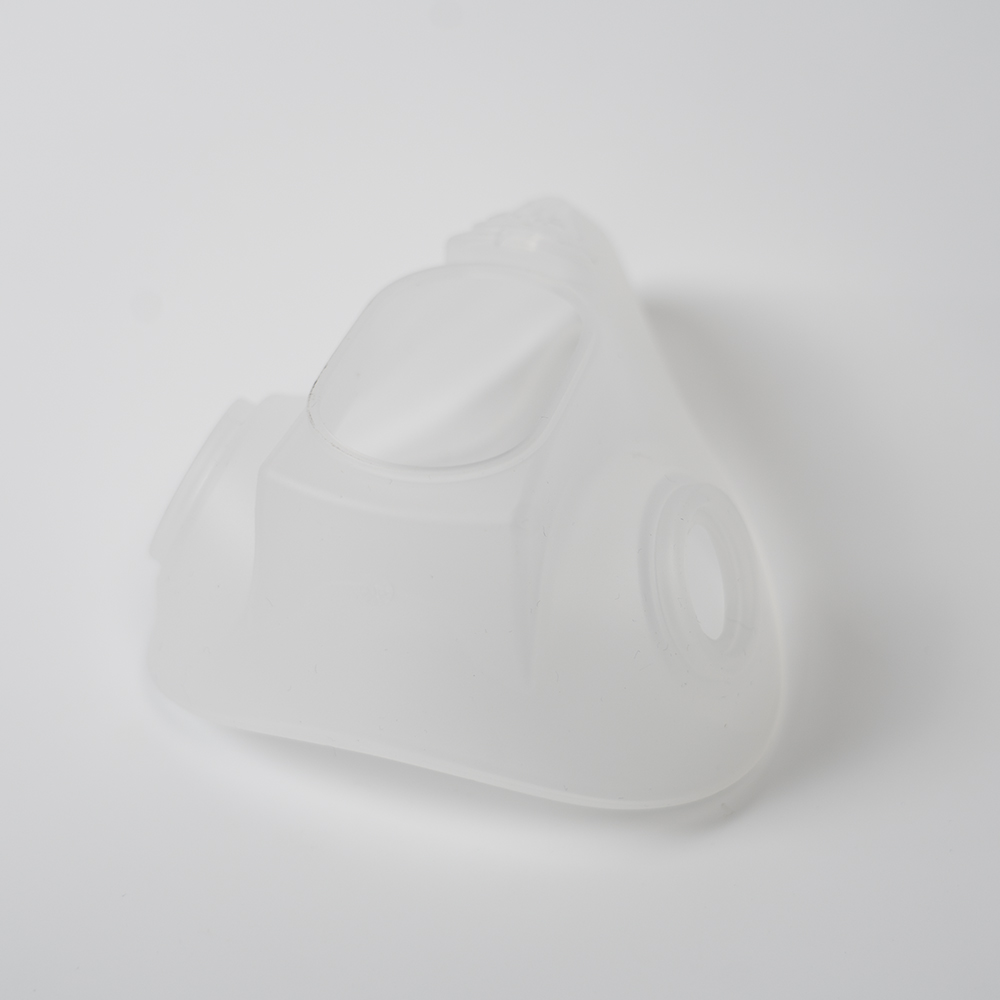
Silicone Baby Mask Manufacturing
Case 5
Detector Housing Manufacturing
Case 6
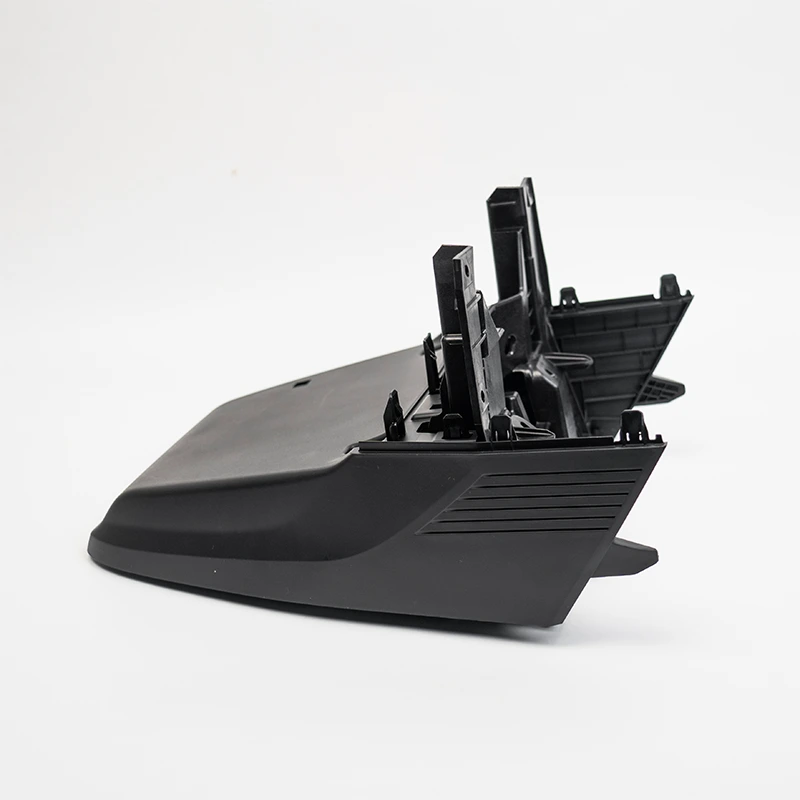
Automotive Armset Base Manufacturing
Case 7
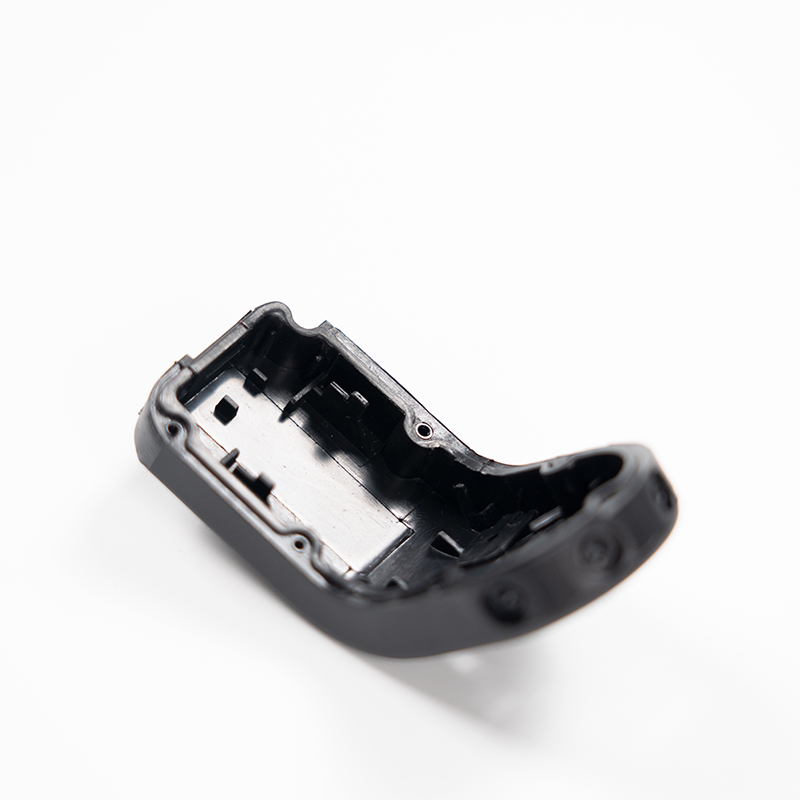
VR Remote Controller Housing Manufacturing
Case 8
Table Connector Production
Case 9
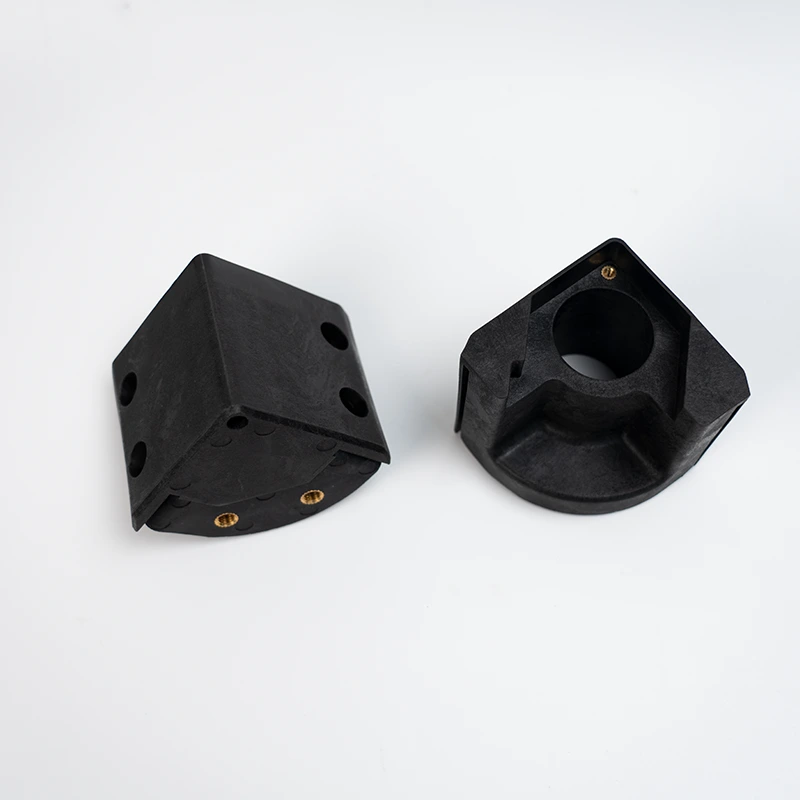
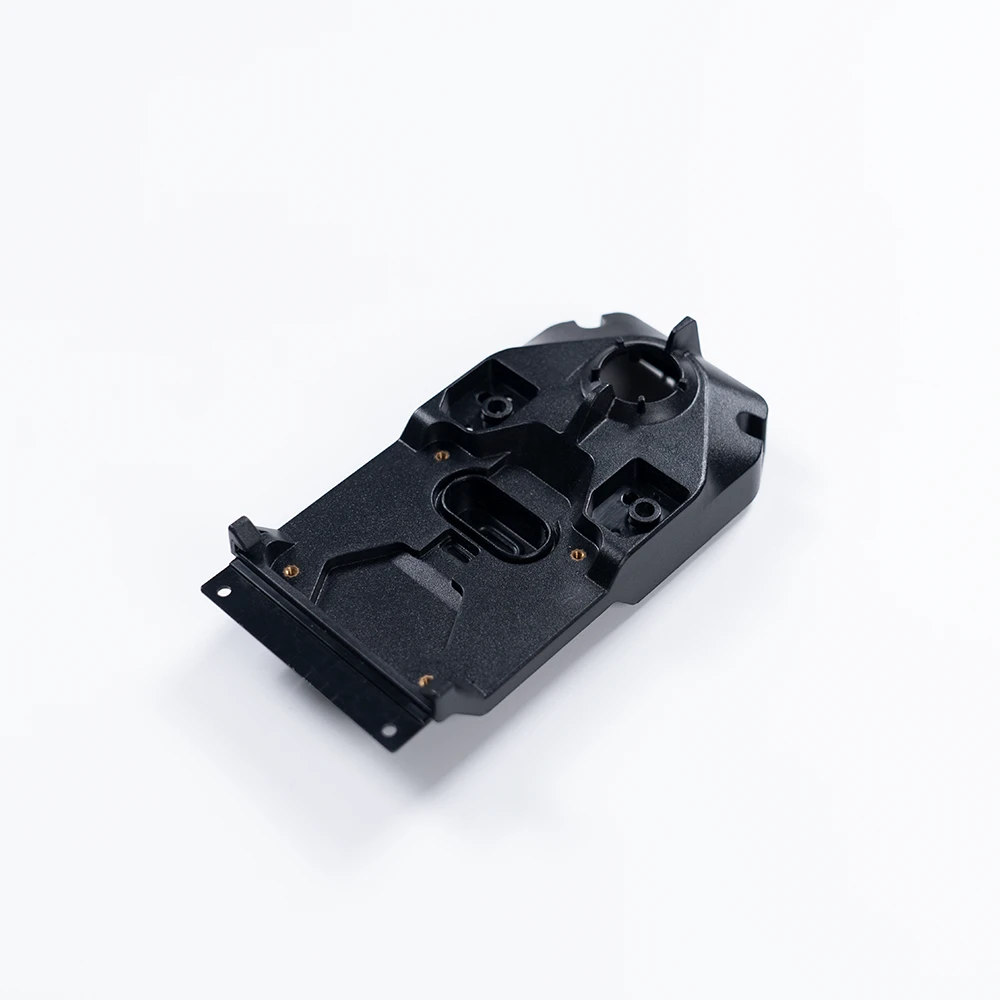
Aircraft Remote Controller Body Insert Molding
Case 10
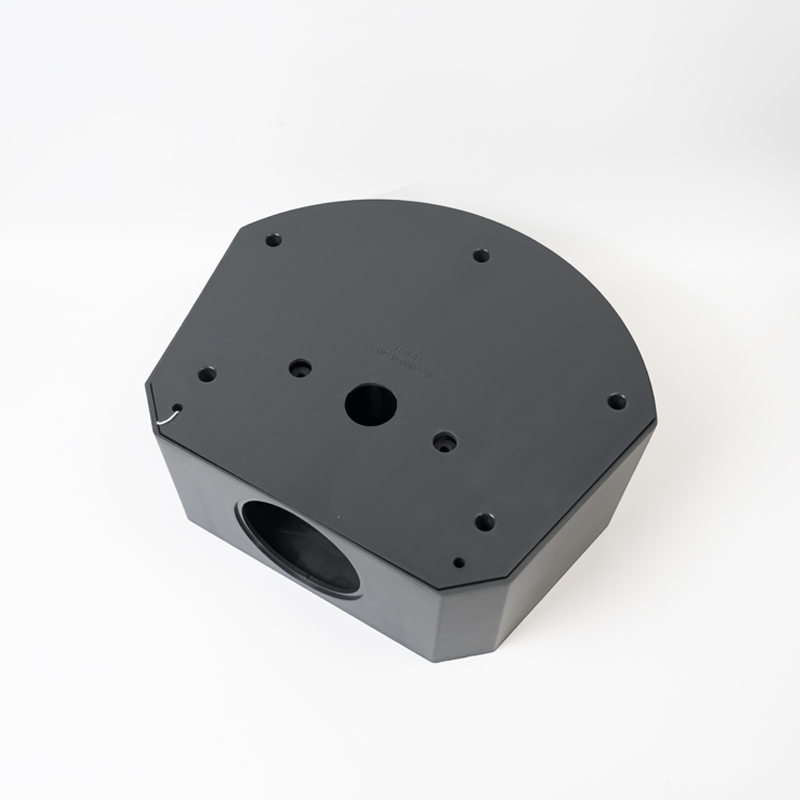
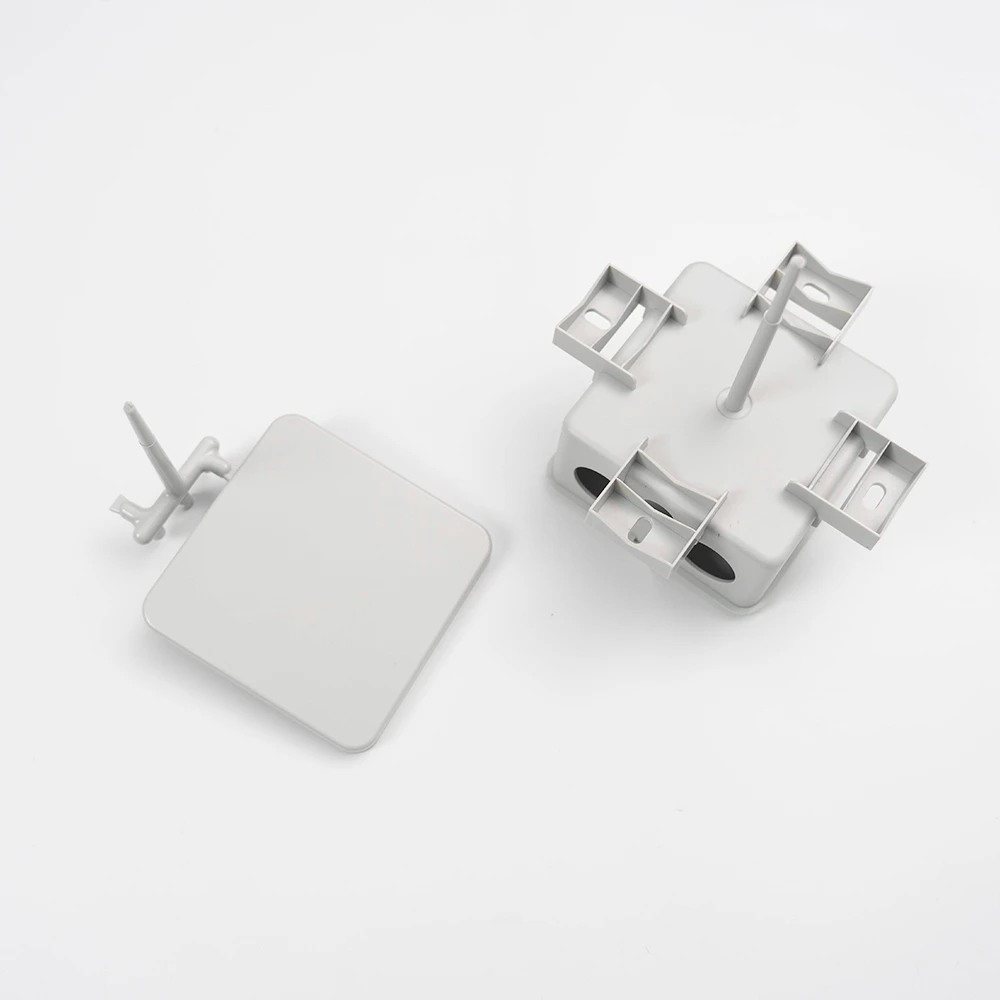
PC Material Transformer Junction Box & Cover

Which Process’s Best For Your Plastic Parts? Injection Molding, 3D Printing Or CNC?

Injection molding, 3D printing, and CNC machining are common processes for producing plastic products, and there are certain principles for selecting the right service provider for each process.
3 Key Scenarios for Choosing Injection Molding:

Mass Production Demand

When the order exceeds 500 pieces, the per-unit cost of injection molding may be only 1/10 of 3D printing, and the delivery speed improves with larger batch sizes.

Material Performance Requirements

High-temperature resistance (>120°C) or elastomeric properties (such as silicone seals)

Brand Consistency

The appearance textures (leather grain/matte) and color matching at the mass production stage can only achieve 99% consistency through injection molding molds.

Frequently Asked Questions

Sanpin provides integrated mold design, precision mold manufacturing, and injection molding production — all within our own 24,000 m² facility in Shenzhen, China. Our specialty areas include 2K/3K multi-color molding, insert molding, and overmolding.
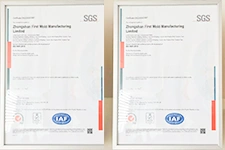
We primarily serve the automotive, medical device, home appliance, and consumer electronics industries. Our certifications include ISO 9001, IATF 16949, and ISO 13485, allowing us to meet the quality requirements of regulated sectors.
Lead time depends on mold complexity and size. A standard mold typically takes 4 to 8 weeks. Complex multi-cavity or 2K/3K molds may require 8 to 12 weeks. We provide a detailed timeline during the DFM review stage.
Our presses range from 50T to 1,300T, allowing us to mold parts from a few grams up to several kilograms in weight.
2K (two-shot) and 3K (three-shot) molding injects two or three different materials or colors into a single part within one cycle. This is one of Sanpin's core specialties — we operate a dedicated multi-shot molding workshop established in 2019, with extensive experience in automotive lighting and interior trim applications.
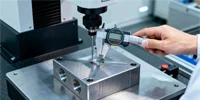
Our standard injection molding tolerance is ±0.02 mm. For mold manufacturing, we work to tight tolerances based on part geometry and functional requirements, verified through precision measurement equipment.
Sanpin produces 500 to 600 mold sets annually, with maximum mold dimensions of 2,500 mm x 1,800 mm x 1,200 mm and a maximum mold weight of 25 tons.
Yes. Every project begins with a Design for Manufacturability review where our engineers evaluate your part design for potential issues — including wall thickness uniformity, draft angles, gate placement, and material selection — before any tooling work begins.
Yes. We are happy to sign a non-disclosure agreement before receiving any technical drawings or project details.
Yes. Our production facility runs 24 hours a day to support continuous manufacturing schedules and meet tight delivery timelines for clients worldwide.